Contents
Best Gooseneck Kettles for Pour Over (2026)
TL;DR: The best gooseneck kettle for pour over gives you precise flow control, stable temperature, and a pour spout that doesn’t gurgle or surge. For most brewers, the Fellow Stagg EKG hits the right balance of accuracy and usability — but the right pick depends on your budget and workflow.
Why Your Kettle Matters More Than You Think
The spout design of a gooseneck kettle directly controls extraction consistency. A standard kettle dumps water; a gooseneck places it. For pour over methods — V60, Chemex, Kalita Wave — that precision separates a muddled cup from a clean, balanced one. Flow rate affects bloom saturation, drawdown speed, and ultimately flavor clarity.
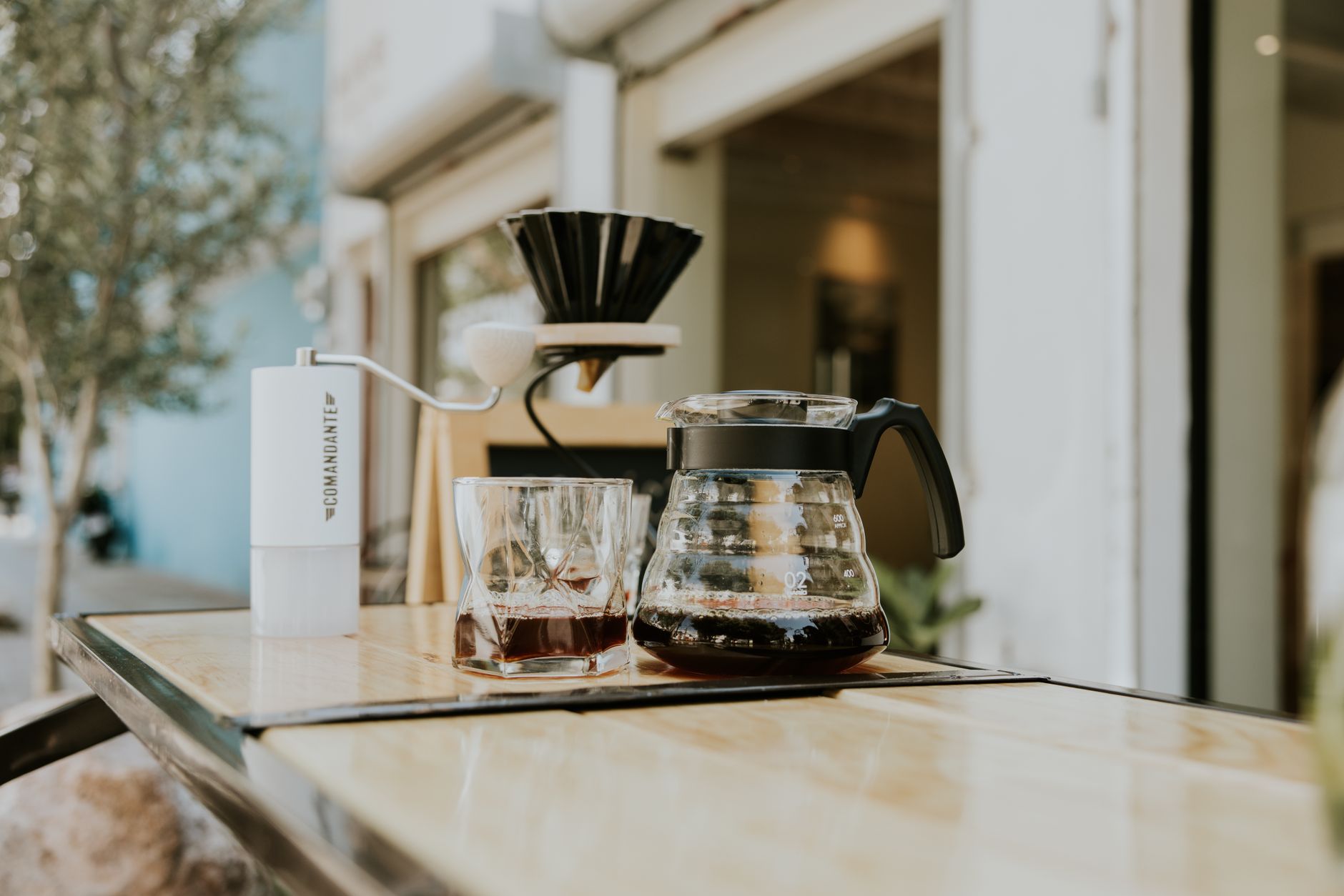 Photo: Amar Preciado via Pexels
Pour over brewing punishes bad pours. Too fast, and you agitate the bed unevenly. Too slow, and you over-extract the edges while the center stalls. A quality gooseneck spout gives you repeatable, single-digit-gram-per-second control. Add a PID temperature hold and you’ve eliminated two of the three biggest variables in manual brewing.
The Best Gooseneck Kettles for Pour Over (2026 Picks)
Six kettles cover every need from budget stovetop to pro-level electric. The Fellow Stagg EKG leads for electric, the Hario Buono for stovetop. Below is the full breakdown.
 Photo: Andrea Piacquadio via Pexels
| Kettle | Type | Capacity | Temp Control | Hold | Price |
|---|---|---|---|---|---|
| Fellow Stagg EKG | Electric | 0.9 L | ±1°F PID | 60 min | ~$165 |
| Fellow Stagg EKG+ | Electric | 0.9 L | ±1°F PID + app | 60 min | ~$195 |
| Bonavita 1.0L Variable | Electric | 1.0 L | ±1°C | 30 min | ~$55 |
| Brewista Artisan | Electric | 600–1000 mL | ±1°C | 60 min | ~$100 |
| Hario V60 Buono | Stovetop | 1.2 L | None | None | ~$40 |
| Timemore Fish Smart | Electric | 0.8 L | ±1°C | 60 min | ~$90 |
Fellow Stagg EKG — Best Overall
The Stagg EKG is the benchmark. Its counterbalanced handle, 6° angled base, and needle-thin spout tip make it the easiest kettle to pour with precisely, regardless of technique. The PID holds temperature within 1°F for a full hour.
 Photo: Vintage Lenses via Pexels
The 0.9 L capacity is slightly small for back-to-back brews — plan a refill between a V60 and a second Chemex. The matte black finish scratches easily, and the LCD display is hard to read in bright sunlight. But the pour? Effortless. It’s genuinely hard to make an ugly pour with this spout.
The EKG+ adds Bluetooth, Alexa integration, and custom presets via app. Worth the $30 premium only if you brew multiple coffees daily with different temp targets.
Fellow Stagg EKG Specs
| Feature | Detail |
|---|---|
| Wattage | 1200W |
| Capacity | 0.9 L |
| Temp range | 135–212°F / 57–100°C |
| Temp accuracy | ±1°F |
| Hold time | 60 minutes |
| Spout type | Counterbalanced gooseneck |
| Materials | Stainless steel interior, ABS handle |
Verdict by archetype:
- Daily V60 drinker: Buy it — the precision justifies the price inside six months.
- Occasional home brewer: Bonavita saves you $110 with minimal real-world difference.
- Café or multiple daily brews: EKG+, for preset recall and the longer hose.
Bonavita 1.0L Variable Temperature — Best Budget Electric
At ~$55, the Bonavita Variable gives you precise temperature selection and a 30-minute hold in a no-frills package. The spout isn’t quite as dialed as the Stagg’s, but it’s perfectly adequate for V60 and Chemex.
The 1.0 L capacity is genuinely useful — enough for a full Chemex without refilling. The handle is ergonomically average but functional. Heat-up time is roughly 3–4 minutes from cold to 200°F, which is slower than the Stagg. Temperature hold drops to 30 minutes, which matters only for slow multi-stage pours or back-to-back brews.
If you’re just starting pour over or don’t want to spend $165 on a kettle, this is the pick.
Hario V60 Drip Kettle Buono — Best Stovetop
The Buono is the original precision pour over kettle. No electronics, no display — just a beautifully curved gooseneck spout that produces a slow, controlled stream on any heat source.
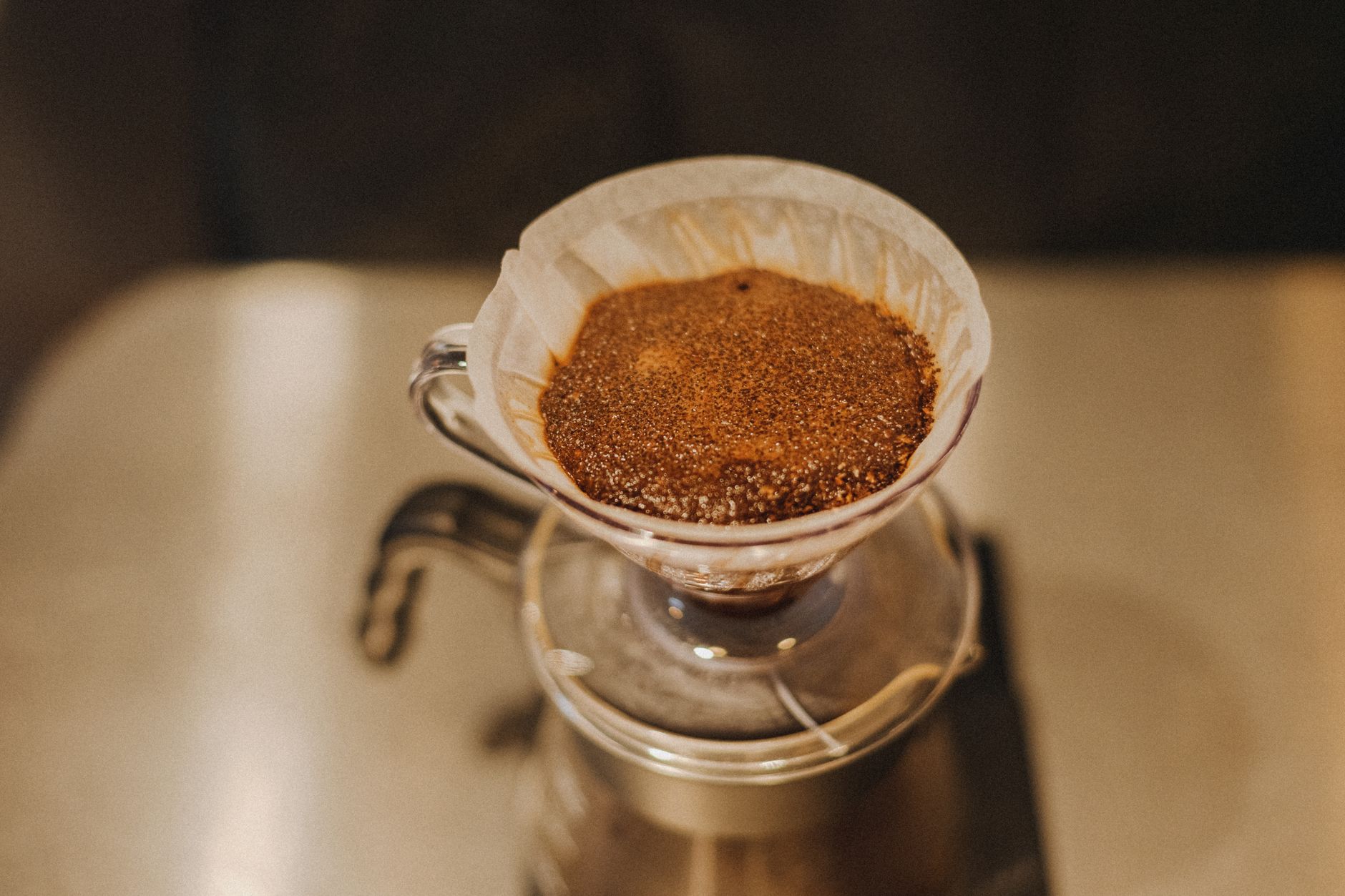 Photo: Gu Ko via Pexels
Works on gas, electric, and induction (with the induction-compatible model). The 1.2 L capacity is the largest on this list. Without temperature control, you’ll need a separate thermometer or learn to read your target by timing — 30–45 seconds off boil gets you to roughly 200°F depending on ambient conditions.
Ideal for campers, travelers, or anyone who wants a single kettle that works everywhere without batteries or power strips.
Brewista Artisan — Best Mid-Range
The Brewista Artisan sits between the Bonavita and the Stagg: a 60-minute hold, variable temperature, and a spout profile that’s arguably more comfortable for slow low-pour techniques like the Rao Spin.
Available in 600 mL and 1000 mL versions — the smaller size suits single-cup brewers, the larger is better for shared brews or larger Chemex. The display is intuitive, the dial responsive. Build quality is solid without being premium.
If the Stagg’s price is hard to justify and you want the 60-minute hold the Bonavita lacks, the Brewista is the gap-filler.
Timemore Fish Smart — Best for Minimalists
The Timemore Fish Smart is a compact, precise electric gooseneck that punches above its $90 price point. The spout produces a thin, consistent stream, and the magnetic lid is a genuinely useful detail.
The 0.8 L capacity is tight for Chemex but fine for a single V60 or AeroPress. Temperature accuracy is solid, hold time is 60 minutes, and the aesthetics — matte white or black — are cleaner than most kettles at this price. The app connectivity is a bonus, not a selling point.
Full Comparison Table
| Kettle | Price | Type | Capacity | Temp Control | Hold | Spout Quality | Best For |
|---|---|---|---|---|---|---|---|
| Fellow Stagg EKG | ~$165 | Electric | 0.9 L | ±1°F PID | 60 min | Excellent | Daily precision brewer |
| Fellow Stagg EKG+ | ~$195 | Electric | 0.9 L | ±1°F PID | 60 min | Excellent | Multi-roast workflow |
| Bonavita 1.0L | ~$55 | Electric | 1.0 L | ±1°C | 30 min | Good | Budget-conscious beginner |
| Brewista Artisan | ~$100 | Electric | 600–1000 mL | ±1°C | 60 min | Very Good | Mid-range value |
| Hario Buono | ~$40 | Stovetop | 1.2 L | None | None | Very Good | Travel / no-power |
| Timemore Fish Smart | ~$90 | Electric | 0.8 L | ±1°C | 60 min | Very Good | Minimalist / compact |
What to Look for in a Gooseneck Kettle
Spout Design
The spout is the most important spec. A true gooseneck has a long curved neck that damps the kinetic energy of the water before it exits the tip. This lets you control flow rate by wrist angle alone — no thumb over the spout, no awkward grip adjustments mid-pour.
Look for a narrow tip exit diameter (under 8mm ideally), a neck long enough to allow wrist movement, and a spout attachment point above the midline of the body. Spouts that attach low cause the kettle to surge when tilted past 45°.
Temperature Control
Most specialty coffee extracts best between 195°F and 205°F (90–96°C). A kettle without temperature control forces you to boil and wait — workable, but imprecise. Variable temperature kettles let you dial in 200°F for a washed Ethiopian or 195°F for a natural Guatemalan without guessing.
PID control (proportional-integral-derivative) actively maintains temperature at the target rather than cutting power and coasting. The Stagg EKG uses PID; most budget kettles do not. In practice, a ±1°C difference matters more during a 5-minute Chemex than during a 2-minute V60.
Hold Function
Hold keeps the water at temperature between uses. 30 minutes covers most single brews; 60 minutes matters for café-style workflows, teaching sessions, or anyone who gets distracted and loses track of time.
Without hold, a kettle that hits 200°F will drop to ~195°F within 3–4 minutes off the element. That’s fine for a fast brewer; problematic if you’re between cups.
Capacity
- 600–800 mL: Single-cup workflows, AeroPress, 1-cup V60
- 900 mL–1.0 L: 2-cup V60, small Chemex, most daily use
- 1.2 L+: Full Chemex, multiple brews back-to-back
Don’t buy a 1.2 L kettle if you only brew one V60 in the morning — extra dead weight heats slower and pours less precisely when nearly full.
→ See Also
- Best Coffee Accessories (2026 Complete Guide) — full overview of every accessory category
- Best Coffee Scales (2026 Reviewed) — pair your kettle with a precision scale
- Acaia Pearl Review: Is It Worth $150? — the scale most serious pour over brewers choose
FAQ
Do I really need a gooseneck kettle for pour over? Yes, if you care about consistency. A standard kettle makes controlled pouring nearly impossible — the wide spout creates an unpredictable surge. A gooseneck spout lets you place water exactly where you want it at the flow rate you choose, which directly affects extraction evenness.
What temperature should I use for pour over coffee? Start at 200°F (93°C) for most medium-roast coffees. Drop to 195°F for medium-dark roasts or naturals that tend toward fruity sweetness. Go up to 205°F for very light roasts where under-extraction is the main risk. Use your kettle’s thermometer, not guesswork — a 5°F swing changes the cup noticeably.
Can I use a gooseneck kettle on an induction cooktop? Only if it’s specifically induction-compatible. The Hario Buono has an induction version. Most electric gooseneck kettles are self-heating (no stovetop needed) and work on any counter. Check the base material — induction requires a ferromagnetic base, typically marked on the product.
How long does a gooseneck kettle last? A well-made stainless steel kettle like the Hario Buono can last 10+ years with basic maintenance. Electric kettles have more failure points — heating elements and control boards. The Fellow Stagg EKG has a 2-year warranty; budget models typically cover 1 year. Descale regularly (monthly if you have hard water) to extend element life.
Is the Fellow Stagg EKG worth the price? For a dedicated pour over brewer who makes coffee daily, yes. The precision, hold time, and pour quality translate directly into better cups. If you brew once or twice a week or are just starting, the Bonavita Variable at a third of the price closes most of the gap in real-world use.
What’s the difference between the Stagg EKG and EKG+? The EKG+ adds Bluetooth connectivity, Alexa voice control, and custom preset recall via the Fellow app. The physical kettle and heating performance are identical. Worth the $30 difference only if you brew multiple coffees with different temperature profiles daily — otherwise the base EKG is the better value.
Editorial methodology: Assessments are based on manufacturer specifications, published user reviews, and editorial research. Physical hands-on testing is noted explicitly where it occurred. Rankings reflect our editorial judgment and are not influenced by affiliate commission rates. Full editorial policy · Affiliate disclosure