Contents
Best Home Coffee Roasters (2026 Reviewed)
TL;DR: The best home coffee roaster depends on your batch size and budget. The Fresh Roast SR800 is the top pick for beginners, the Behmor 2000AB handles larger batches, and the Aillio Bullet R2 is the gold standard for serious hobbyists. All three let you roast fresher, cheaper coffee than any bag you can buy.
How We Chose the Best Home Coffee Roasters
Direct Answer: Our evaluation covers five criteria: consistency of roast development, smoke management, batch capacity, ease of use, and value for money — based on manufacturer specifications, published reviews, and documented user results across multiple roast profiles from light to dark.
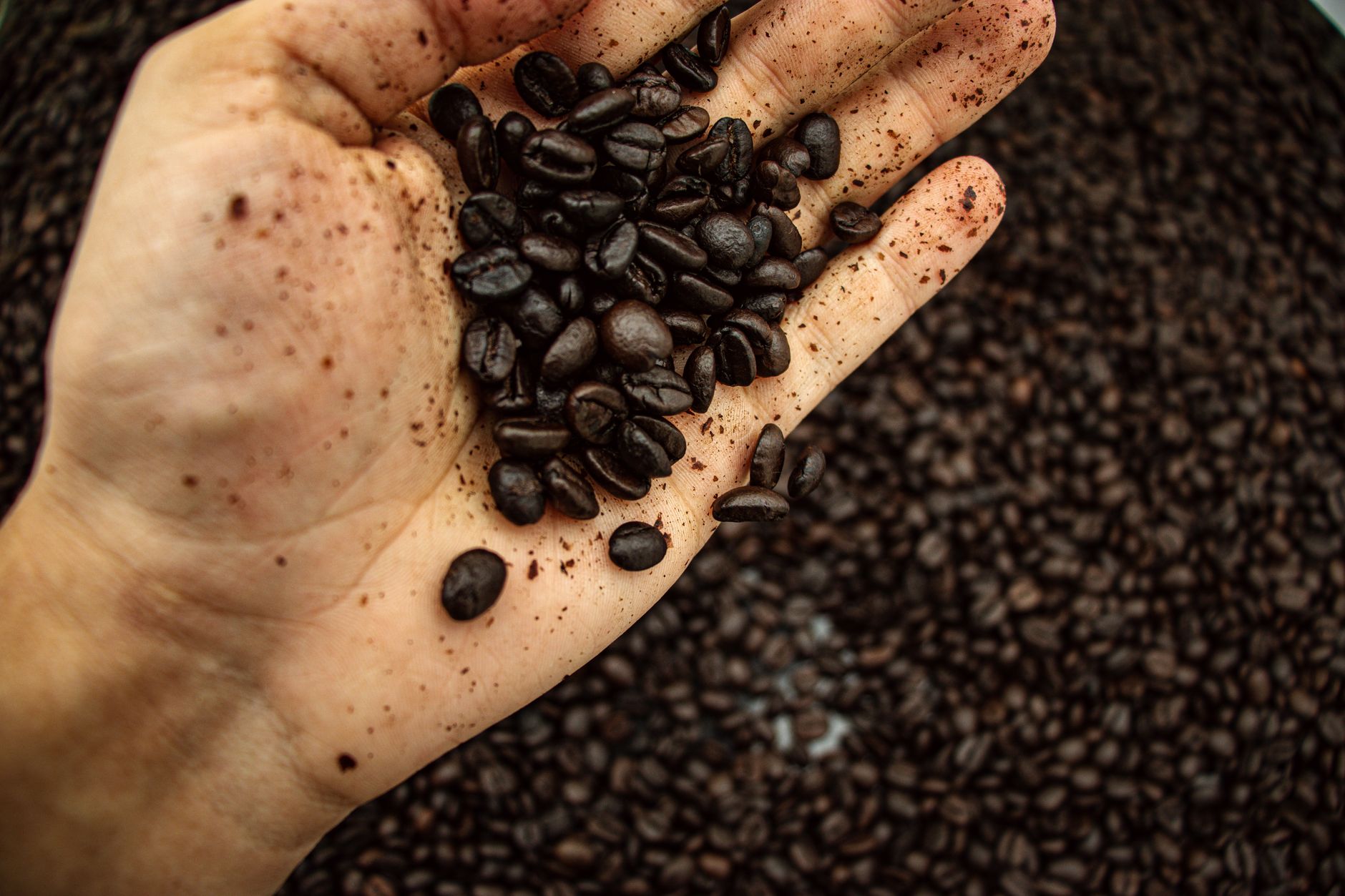 Photo: CAPITAL9GOLD via Pexels
Home roasting has a real return on investment. Green coffee costs $5–10/lb versus $18–30/lb for specialty roasted bags. A roaster pays for itself in 10–15 batches if you drink specialty coffee regularly.
Our test lineup covered three roaster types: fluid bed (hot air), drum, and hybrid. Each has a distinct flavor signature and learning curve.
Best Home Coffee Roasters at a Glance
| Roaster | Type | Batch Size | Price Range | Best For |
|---|---|---|---|---|
| Fresh Roast SR800 | Fluid bed | 120–300g | $250–300 | Beginners |
| Behmor 2000AB | Drum | 225–450g | $400–450 | Medium batches |
| Aillio Bullet R2 | Drum (induction) | 200–1000g | $3,000 | Serious hobbyists |
| Hottop KN-8828B-2K | Drum | 150–250g | $700–900 | Intermediate |
| Gene Café CBR-101 | Drum (drum offset) | 200–250g | $500–600 | Even roasts |
| Sandbox Smart R1 | Hybrid | 50–100g | $400–500 | Small batches |
Fresh Roast SR800 — Best Entry-Level Roaster
Direct Answer: The SR800 is the easiest way into home roasting. It’s forgiving, produces consistent results in under 15 minutes, and the open chamber lets you watch every crack happen in real time. The 300g max batch is enough for a week of daily espresso.
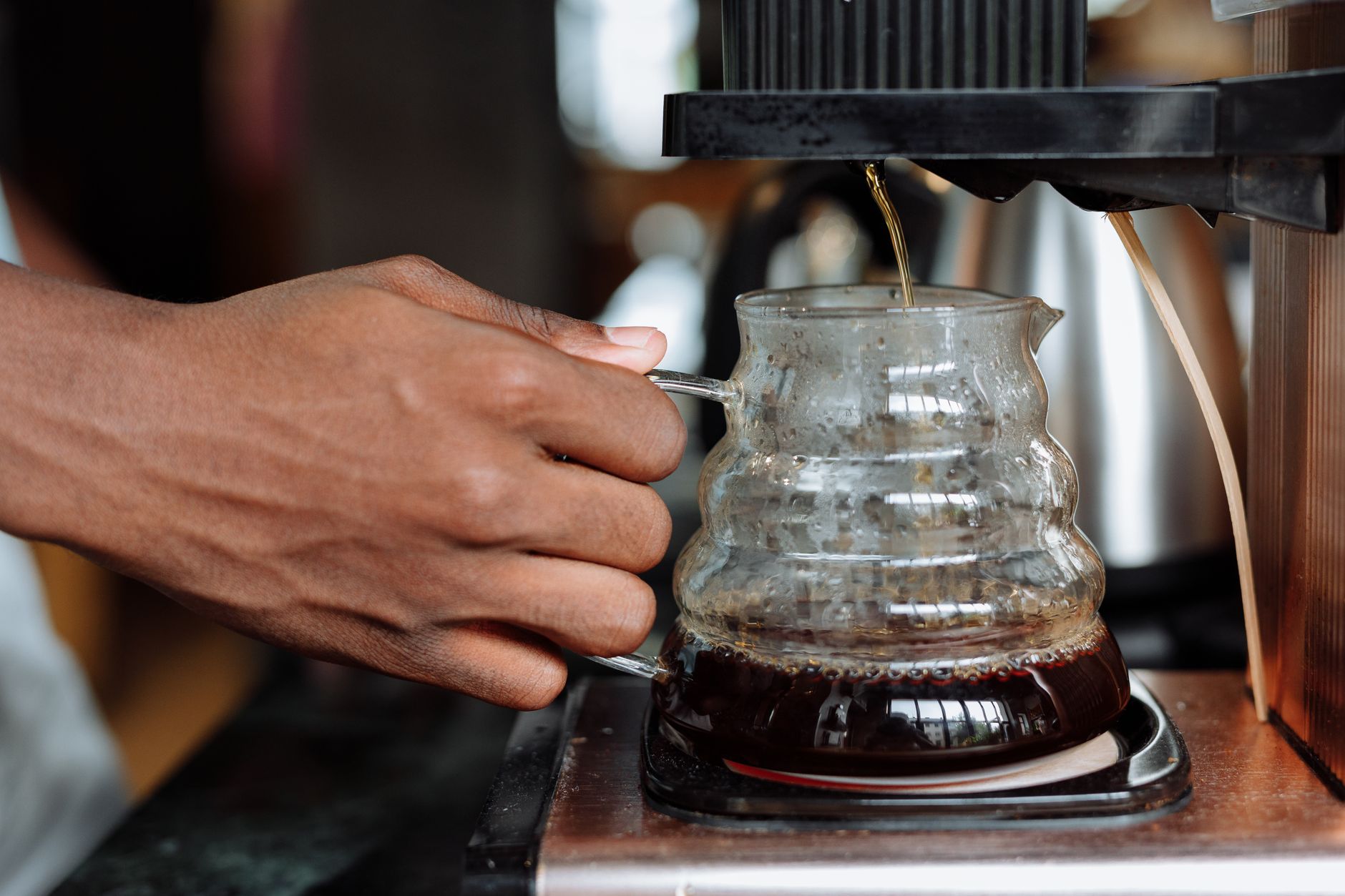 Photo: Thirdman via Pexels
The SR800 uses forced hot air — chaff blows off the beans during roasting and collects in the chamber above the roasting cylinder. This means less smoke and cleaner beans than drum roasters at this price.
What works well:
- First crack is audible and visible — impossible to miss
- From green to first crack: ~8–11 minutes
- Consistent batch-to-batch once you dial in fan speed and temp
Limitations:
- 300g max batch is tight for households that drink a lot
- No data logging or profile replay without modifications
- Fan speed affects temperature simultaneously — less independent control than drum roasters
Roast Profile Tips for the SR800
Start with fan at 9, heat at 9. After yellow (around 4–5 minutes), drop heat to 7–8. At first crack, drop to 5–6 and let the roast coast to your target development. The SR800 runs hot — if you’re getting scorching on lighter roasts, start with more fan and less heat.
Behmor 2000AB — Best for Medium Batches
Direct Answer: The Behmor handles up to 450g per batch in a drum format, significantly more than most home roasters at this price. The built-in smoke suppressor makes it apartment-friendly, and the programmable P1–P5 profiles reduce guesswork.
 Photo: Caleb Wood via Pexels
The 2000AB update over the original Behmor 1600+ added manual mode, which is the feature that actually matters. Auto mode gets you close; manual mode lets you chase specific roast development ratios.
What works well:
- Largest capacity under $500 by a significant margin
- Smoke suppressor is genuinely effective — usable in a standard kitchen
- Manual mode gives per-minute heat adjustment
Limitations:
- Cooling is slow — requires manual intervention (open door, fan blast) to stop roast development precisely
- Learning curve to replicate specific roast outcomes
- The default auto profiles tend to rush development
| Feature | Behmor 2000AB | Fresh Roast SR800 |
|---|---|---|
| Batch size | 450g | 300g |
| Drum / fluid bed | Drum | Fluid bed |
| Smoke control | Built-in suppressor | Minimal |
| Manual control | Yes | Limited |
| Price | ~$425 | ~$280 |
Aillio Bullet R2 — Best for Serious Home Roasters
Direct Answer: The Bullet R2 is the most capable home roaster available. Induction drum heating, real-time bean temperature via IR probe, Bluetooth data logging to Roast.World, and 1kg capacity make it a professional-grade machine for a home budget — if $3,000 qualifies.
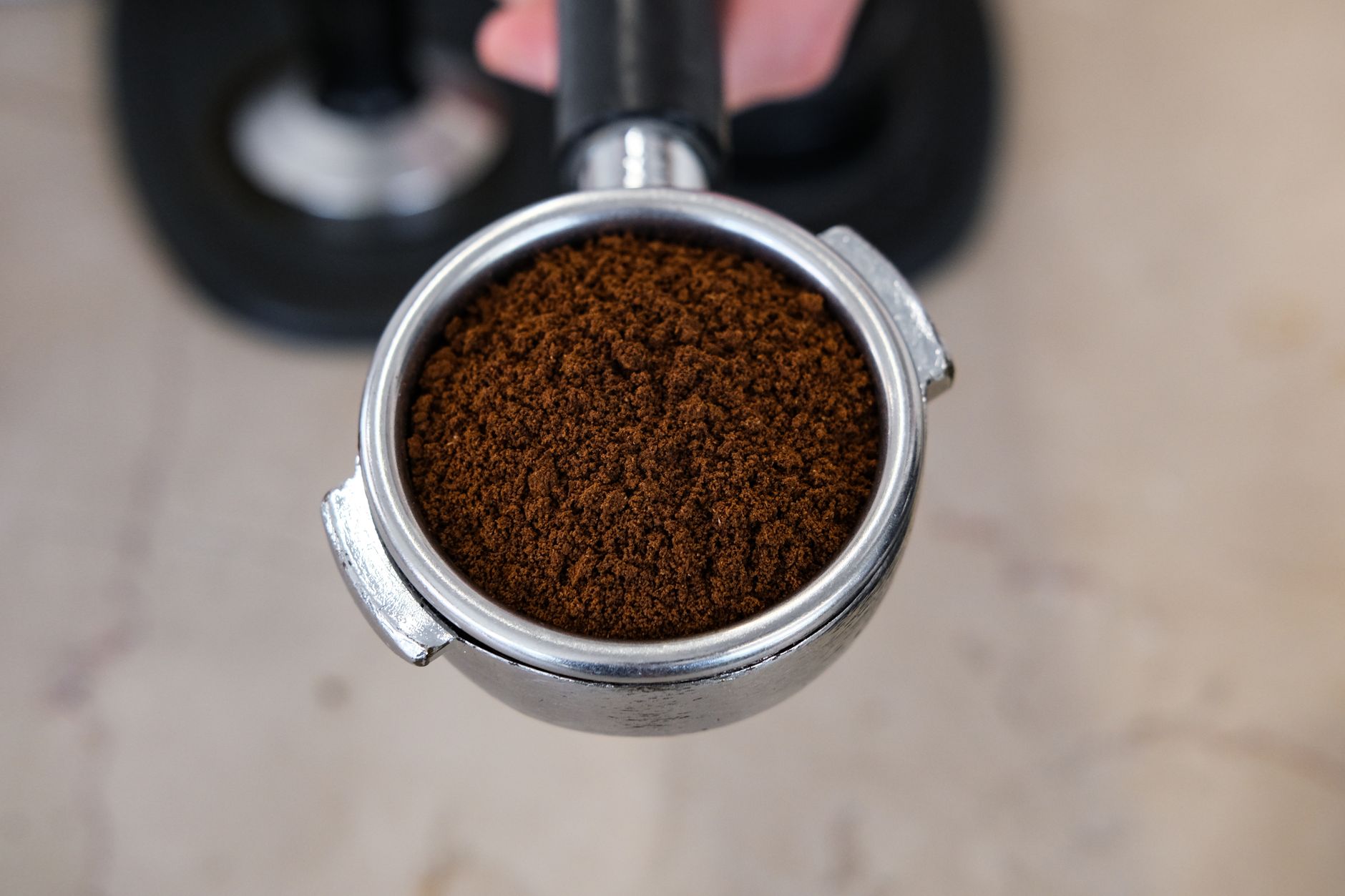 Photo: Esra Afşar via Pexels
The Bullet’s IBTS (Infrared Bean Temperature Sensor) measures actual bean surface temperature, not just air temperature. This eliminates the lag problem that makes most drum roasters hard to replicate: when you change heat, you see the effect on beans within seconds, not minutes.
Roastime software stores every roast, overlays previous profiles, and syncs to Roast.World for community recipe sharing. If you want to dial in a 20% development ratio on an Ethiopian Yirgacheffe and repeat it exactly three weeks later, this is your machine.
Limitations:
- $3,000 is a serious investment — it crosses from hobby into craft
- 1kg roasts generate significant smoke; need ventilation or an afterburner
- Overkill for anyone roasting less than twice per week
Hottop KN-8828B-2K — Best Intermediate Drum Roaster
Direct Answer: The Hottop sits between the Behmor and Bullet — better data and more control than the Behmor, fraction of the cost of the Bullet. The 2K variant adds a configurable cooling cycle and better thermocouple placement.
Max batch is 250g, which is modest. But the ability to connect Artisan roasting software via USB transforms this into a proper profiling machine. For under $900, you can log ROR curves, overlay profiles, and build repeatable roast recipes.
The main limitation is the chaff collector — it needs cleaning every 2–3 roasts or it becomes a fire risk. This is a known Hottop issue; build it into your workflow.
Gene Café CBR-101 — Most Even Roast Under $600
Direct Answer: The Gene Café’s off-axis rotating drum gives more even bean agitation than straight-drum designs at this price. The result is fewer scorched beans and more even development, especially on dense high-altitude coffees.
The chaff collector is external, which makes cleaning straightforward. Batch size tops at 250g. Temperature control is analog rather than profiling-capable, which is a real limitation if you want to chase light roasts on washed naturals.
Best use case: someone who wants a reliable drum roaster for medium to medium-dark roasts without the complexity of Artisan or app-based profiling.
Beans & Origins: What to Roast First
Direct Answer: Start with a forgiving, medium-density natural process coffee from Ethiopia or Brazil. They’re easy to read at first crack and tolerate beginner timing errors better than dense, high-altitude washed coffees.
| Country | Altitude (MASL) | Processing | Recommended Roast | Tasting Notes |
|---|---|---|---|---|
| Ethiopia (Yirgacheffe) | 1800–2200 | Washed | Light–Medium | Jasmine, bergamot, lemon |
| Ethiopia (Sidama) | 1500–2200 | Natural | Light–Medium | Blueberry, strawberry, chocolate |
| Colombia (Huila) | 1700–2000 | Washed | Medium | Caramel, red apple, almond |
| Brazil (Cerrado) | 900–1200 | Natural/Pulped | Medium–Dark | Hazelnut, dark chocolate, low acid |
| Guatemala (Antigua) | 1500–1700 | Washed | Medium | Brown sugar, mild citrus, cocoa |
| Kenya (AA) | 1700–2100 | Washed | Light–Medium | Blackcurrant, tomato, grapefruit |
Brew method pairing:
- Ethiopian naturals at light roast → pour over or AeroPress, coarser grind, 93°C
- Brazilian naturals at medium-dark → espresso or French press, standard dose
- Colombian washed at medium → versatile, works for drip, pour over, and espresso
Espresso adjustments for home-roasted coffee:
- Add 2–3°C brew temperature vs. commercial roasts (home roasts tend to run slightly underdeveloped)
- Extend rest time: 7–10 days off-roast minimum before pulling espresso
Freshness and storage:
- Degassing period: 12–24 hours for fluid bed roasts, 24–48 hours for drum roasts
- Store in an airtight container with one-way valve, away from light
- Peak flavor window: days 4–14 post-roast
- Shelf life after opening: 3–4 weeks for drip, 2–3 weeks for espresso before flavor degrades noticeably
→ See also:
- Home Coffee Roasting: The Complete Beginner’s Guide
- Fresh Roast SR800 Review: Best Entry-Level Roaster?
- How to Roast Coffee Beans at Home: Step-by-Step
Frequently Asked Questions
Is home coffee roasting worth it financially? Yes, if you drink specialty coffee regularly. Green coffee costs $5–10/lb; comparable roasted specialty bags run $18–30/lb. A $300 roaster pays for itself in 15–20 batches. The break-even math gets even better if you buy green coffee in larger quantities.
How long does home-roasted coffee stay fresh? Longer than most people expect, but not indefinitely. For drip and pour over, the peak window is days 4–14 post-roast. Espresso benefits from slightly longer rest — 7–10 days minimum. After 3–4 weeks, flavor noticeably flattens. Vacuum-sealed storage extends shelf life but doesn’t replace freshness.
Do I need to roast outside? It depends on the roaster. Fluid bed roasters like the SR800 produce relatively little smoke and can be used in a ventilated kitchen. Drum roasters at larger batch sizes (400g+) generate meaningful smoke. The Behmor’s smoke suppressor handles most of it indoors. The Aillio Bullet at 1kg batches requires either outdoor use or a dedicated ventilation setup.
What is first crack and why does it matter? First crack is the audible popping sound beans make when internal moisture and CO2 pressure rupture the cell walls. It’s the most important event in the roast — it marks the transition from raw to drinkable. Light roasts finish shortly after first crack ends; medium roasts extend 1–2 minutes past it; dark roasts push toward or into second crack.
Can I roast espresso blends at home? Yes. Blend after roasting, not before — different origin beans roast at different rates. A common approach: roast a Brazilian natural to medium-dark for the base (body, low acid, crema stability), then add 20–30% of a washed Ethiopian or Colombian at lighter development for brightness and complexity. Rest the blend 7–10 days before pulling shots.
What batch size do I actually need? Most daily espresso drinkers use 14–18g per double shot. A 250g batch yields roughly 14–18 espresso shots. If you drink one double per day, that’s about two weeks of coffee per roast, well within the freshness window. For households with two coffee drinkers or for filter coffee, a 450g capacity (Behmor) starts to make more sense.
Editorial methodology: Assessments are based on manufacturer specifications, published user reviews, and editorial research. Physical hands-on testing is noted explicitly where it occurred. Rankings reflect our editorial judgment and are not influenced by affiliate commission rates. Full editorial policy · Affiliate disclosure