Contents
The Complete Coffee Grinder Guide (2026)
TL;DR: Your grinder matters more than your espresso machine. A quality burr grinder produces uniform particle size, which is the single biggest variable you can control for consistent extraction. This coffee grinder guide covers everything from grind mechanism to motor type to help you choose the right grinder for your brewing method and budget.
Why Your Grinder Is the Most Important Piece of Coffee Equipment
Direct Answer: A good grinder produces even particle size; an inconsistent one produces a mix of fine powder and coarse chunks that extract at different rates — resulting in bitter, sour, or muddy coffee regardless of how good your beans or machine are. Grind consistency is non-negotiable.
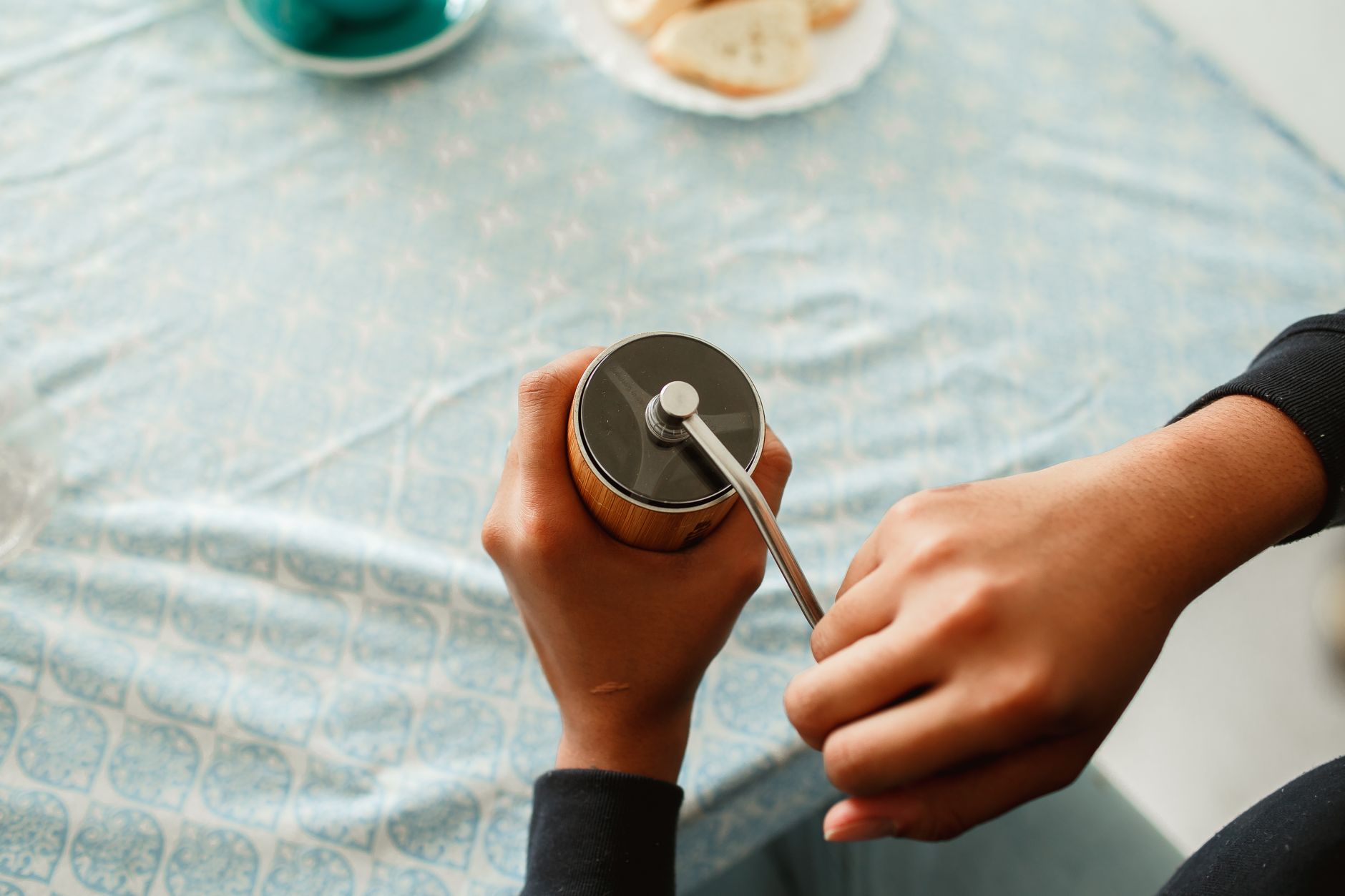 Photo: Helena Lopes via Pexels
Most people buy an expensive espresso machine and pair it with a $30 blade grinder. The result is predictably bad. Blade grinders spin a propeller-style blade that pulverizes beans into irregular fragments — some the size of sand, some still nearly whole. Water extracts from each fragment at its own rate, so you get over-extracted bitterness from the fines and under-extracted sourness from the coarse chunks simultaneously.
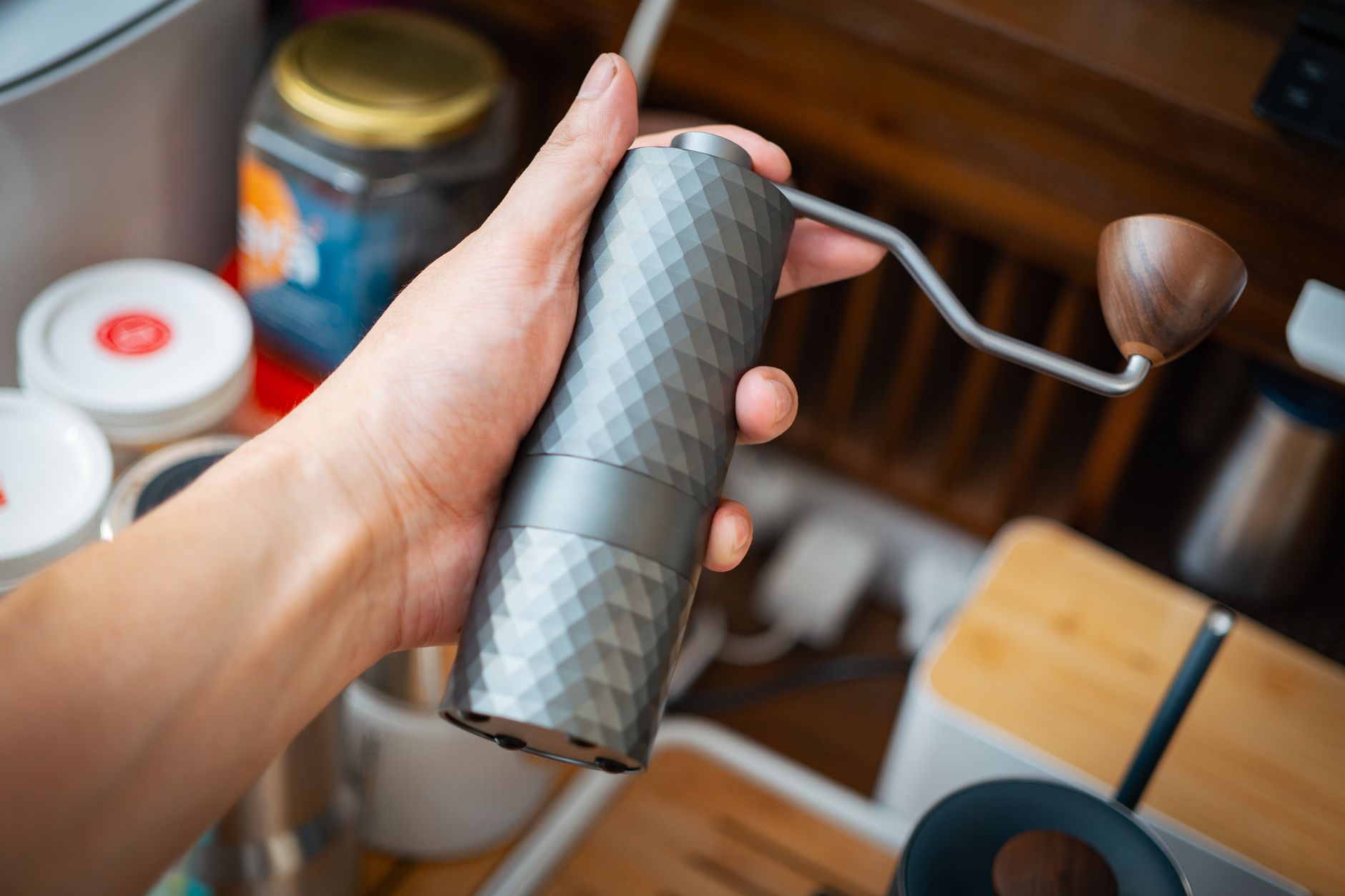
Burr grinders — whether flat or conical — crush beans between two abrasive surfaces set at a fixed distance. The gap determines particle size. Every particle passes through the same gap, producing a narrow distribution around your target size. That uniformity is what unlocks repeatable, balanced extraction.
This isn’t a marginal improvement. Switching from a blade grinder to even a modest burr grinder is a larger leap in cup quality than upgrading from a $300 espresso machine to a $700 one.
Burr Grinders vs. Blade Grinders
Direct Answer: Burr grinders win on every metric that matters for coffee quality — particle uniformity, grind size control, heat generation, and repeatability. Blade grinders are useful for spices. For coffee, there is no trade-off worth making.
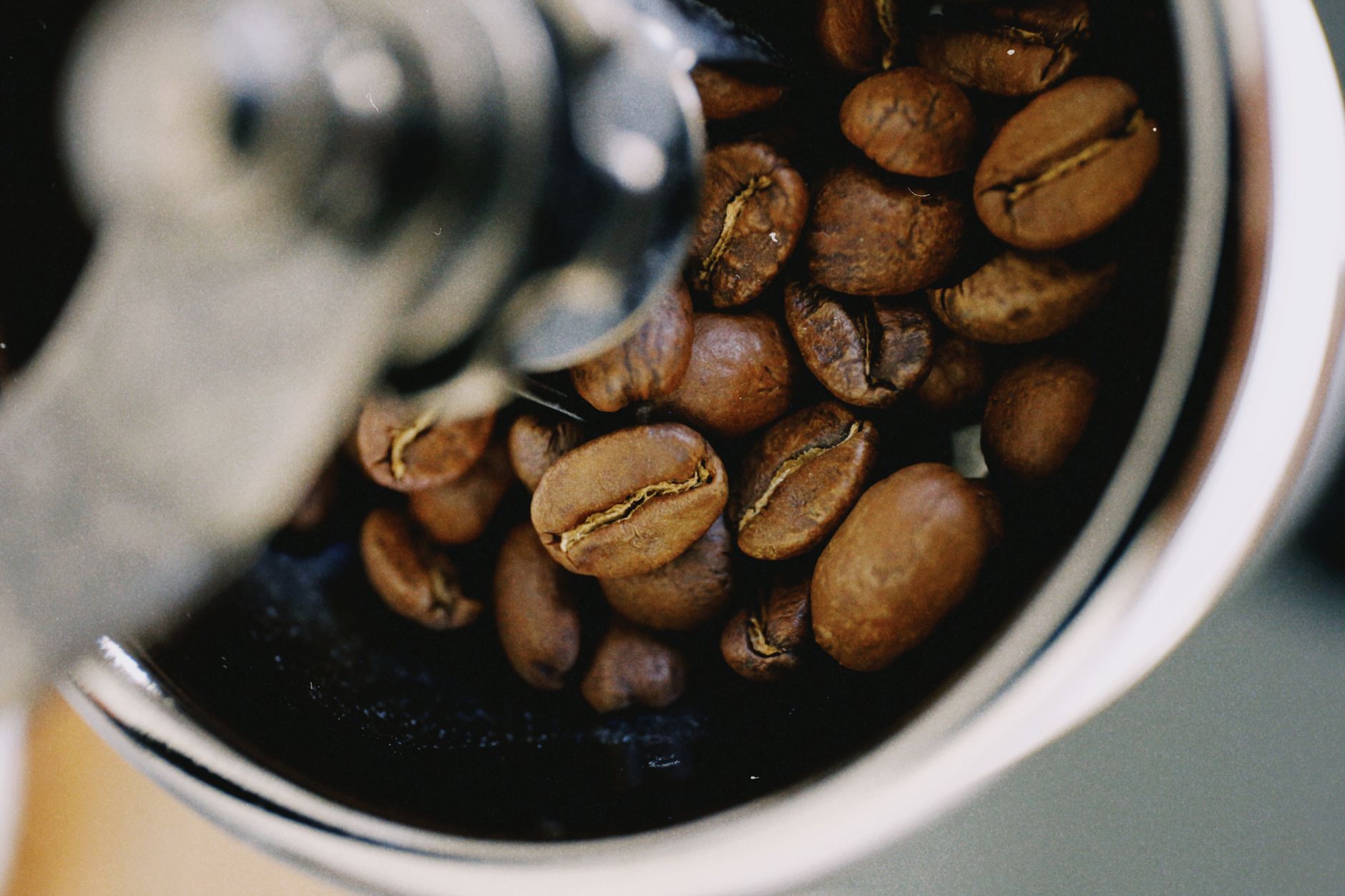 Photo: Valeria Palesska via Pexels
See the full breakdown: Burr vs Blade Grinder: Why It Matters for Your Coffee
Flat Burr vs. Conical Burr: Which Geometry Is Better?
Direct Answer: Neither is universally better — they produce different flavor profiles. Flat burrs tend toward clarity and separation of flavors; conical burrs lean toward sweetness and body. For espresso, both work excellently. The more important variable is burr diameter and quality, not geometry.
 Photo: Tim Douglas via Pexels
How Flat Burrs Work
Flat burrs sit horizontally, one above the other. Beans feed through the center and are expelled outward by centrifugal force as they pass between the faces. The longer path between burrs produces very consistent particle size with a bimodal distribution (a primary grind peak plus a smaller fines fraction). The result in the cup: high clarity, defined acidity, distinct fruit and floral notes.
Flat burrs also retain more grounds between doses. Single-dosing workflows (grinding exactly what you need per shot) require purging the retention before dialing in, which wastes some coffee.
How Conical Burrs Work
Conical burrs consist of a cone-shaped inner burr spinning inside a ring-shaped outer burr. Beans fall through by gravity. The shorter grinding path produces a narrower particle distribution with less bimodality. In the cup: rounder, sweeter, heavier-bodied coffee.
Conical burrs retain very little ground coffee, making them naturally suited to single-dosing. They also run quieter and generate less heat at equivalent RPM.
Burr Diameter: Why Size Matters
Larger burrs grind more slowly per rotation (or the same volume with less effort), generating less heat. Heat accelerates off-gassing and stales ground coffee faster — a measurable effect in blind tasting with fresh specialty coffee.
| Burr Size | Typical Use | Heat | Throughput |
|---|---|---|---|
| 38–40mm conical | Entry home espresso | Higher | Slow |
| 54–58mm flat | Mid-range home | Moderate | Medium |
| 64mm flat/conical | Prosumer home | Low | Fast |
| 75mm+ flat | Commercial | Very low | Very fast |
Electric vs. Manual Coffee Grinders
Direct Answer: Electric grinders are better for daily convenience and espresso (which needs fine, consistent grinds at volume); manual grinders punch above their price point for pour-over and travel use because you’re spending money on burrs, not a motor.
When to Choose Manual
Manual grinders like the 1Zpresso JX-Pro or Timemore C3 deliver 64mm conical burr quality at $80–$150 — territory where electric equivalents cost three to four times as much. The trade-off is effort and time: grinding 18g for espresso takes about 45 seconds with a quality manual grinder.
For filter methods (V60, Chemex, AeroPress), that’s entirely workable. For back-to-back espresso shots or grinding for two or more people, a manual grinder becomes tedious.
When to Choose Electric
Electric grinders make sense if you pull espresso daily, grind more than 30g at a time, or simply value the convenience. The entry point for a capable electric espresso grinder — one that can hold a dialed-in espresso setting and produce repeatable results — is around $200.
Grind Size and Brewing Methods: The Full Map
Direct Answer: Every brewing method has a target extraction window, and grind size is how you control the rate of extraction. Match your grind to your method; then adjust by taste — sour means coarser (faster flow, under-extracted), bitter means finer (slower flow, over-extracted).
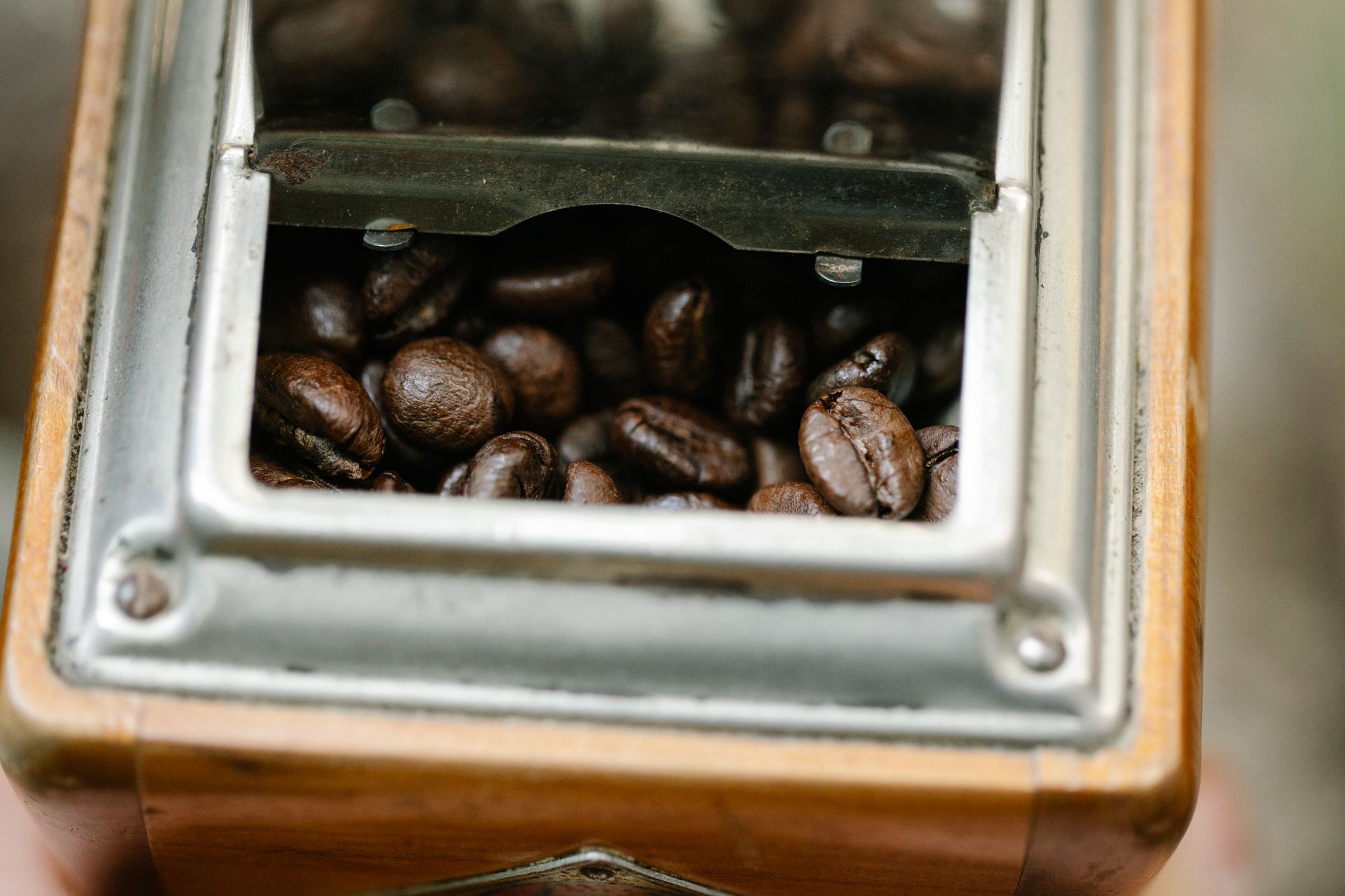 Photo: Michael Burrows via Pexels
| Brewing Method | Grind Size | Texture Reference | Brew Time |
|---|---|---|---|
| Cold brew | Extra coarse | Sea salt | 12–24 hrs |
| French press | Coarse | Kosher salt | 4 min |
| Percolator | Medium-coarse | Rough sand | 6–8 min |
| Drip (flat bed) | Medium | Table salt | 5–6 min |
| Pour-over (V60) | Medium-fine | Fine sand | 2:30–3:30 min |
| AeroPress | Variable | Medium–fine | 1–3 min |
| Moka pot | Fine-medium | Finer than table salt | 4–5 min |
| Espresso | Fine | Powdered sugar | 25–35 sec |
| Turkish coffee | Extra fine | Flour | Instant |
Dialing In Espresso Grind
Espresso is the most grind-sensitive brew method. A 0.1mm change in burr gap can shift a shot from 25 to 40 seconds. Most grinders use stepped or stepless adjustment systems:
Stepped grinders have fixed click positions. Easier for beginners; you can reliably return to a setting. The downside: the gap between steps may be too coarse for precise espresso work on some grinders.
Stepless grinders allow infinite adjustment. More precise, but you lose the click landmarks — record your setting in turns or marks.
How to Choose a Coffee Grinder: The Decision Framework
Direct Answer: Match the grinder to your primary brew method first, then budget. Don’t buy an espresso-focused grinder if you brew primarily pour-over — the fine-end precision you pay for is wasted. Don’t buy a filter grinder and expect it to pull clean espresso shots.
Step 1: Identify Your Primary Brew Method
- Espresso only: You need a grinder with fine stepless or micro-stepped adjustment and consistent output at 9 bars. Budget minimum: $200 electric, $100 manual.
- Filter only (pour-over, French press, drip): Wide grind range, coarser end matters more. Budget minimum: $100 electric, $60 manual.
- Both: Look for a dual-use grinder with a wide enough range to cover espresso fine and French press coarse. Fewer grinders genuinely do both well.
Step 2: Set Your Realistic Budget
| Budget | What You Get |
|---|---|
| Under $50 | Blade grinder territory — avoid for coffee |
| $60–$100 | Entry burr (Baratza Encore |
See our full breakdown: Best Coffee Grinders Under $100 (2026)
Step 3: Consider Single-Dosing vs. Hopper-Fed
Hopper-fed grinders hold 200–500g of beans in a sealed hopper. Convenient for high volume; beans stale faster exposed to air.
Single-dose grinders are loaded with exactly one dose per session. Freshest possible coffee; requires weighing every dose. The Niche Zero and DF64 are designed around this workflow.
Top Coffee Grinder Picks by Category (2026)
Best Budget Electric: Baratza Encore ESP
The Encore ESP updated the classic Encore with 40 micro-steps tuned for espresso alongside its strong filter range. 40mm conical burrs, 40 grind settings, direct-drive motor. Build quality is exceptional for the price — Baratza’s repair ecosystem means you can replace virtually every component, extending the grinder’s life indefinitely.
Specs:
| Spec | Detail |
|---|---|
| Burr type | 40mm conical, hardened steel |
| Grind settings | 40 stepped |
| Motor | DC direct-drive |
| Hopper capacity | 8 oz (227g) |
| Dimensions | 6“ × 4.7“ × 13.5“ |
| Weight | 2.5 kg |
Best Mid-Range: DF54 (Turin)
The DF54 arrived in 2023 and immediately dominated its price class. 54mm single-ring flat burrs, stepless adjustment, low retention (under 0.1g). Remarkably capable for espresso at $200.
Best Prosumer: Niche Zero
The Niche Zero
Best Manual: 1Zpresso JX-Pro
The 1Zpresso JX-Pro grinds espresso with flat burr clarity at a fraction of the price. 48mm stainless burrs, external stepped adjustment (90 clicks per rotation), retention under 0.1g. For pour-over, it’s nearly perfect.
Best High-End: Lagom P64
The Lagom P64 accepts interchangeable 64mm flat burr sets — SSP, Unimodal, Cast, Brew — making it adaptable to any flavor target. Stepless, single-dose, extremely low retention. The burr swap capability makes it genuinely future-proof.
Comparison Table:
| Machine | Price | Burr | Size | Stepless | Best For |
|---|---|---|---|---|---|
| Baratza Encore ESP | ~$200 | 40mm conical | 40 steps | No | Budget espresso + filter |
| DF54 Turin | ~$200 | 54mm flat | Stepless | Yes | Budget espresso |
| Niche Zero | ~$700 | 63mm conical | Stepless | Yes | Prosumer single-dose espresso |
| 1Zpresso JX-Pro | ~$160 | 48mm conical | 90-click stepped | No | Manual espresso + pour-over |
| Lagom P64 | ~$900 | 64mm flat (swappable) | Stepless | Yes | Prosumer high-end |
Coffee Grinder Maintenance: What Actually Matters
Direct Answer: Burr grinders need two things: regular brushing to remove coffee oils and grounds buildup, and occasional deep cleaning with a grinder cleaning tablet. Neglect causes rancid flavor contamination and accelerated burr wear.
Daily and Weekly Maintenance
Run a dry brush through the burr chamber every 3–5 days for home use. Remove the top burr and wipe with a dry cloth monthly. Never use water near the burrs — moisture causes rust and grounds clumping.
Grinder Cleaning Tablets
Products like Urnex Grindz are compressed starch pellets that scrub oils off burrs as they grind through. Use every 2–4 weeks for heavy home use, monthly for lighter use. Run a small dose of your regular coffee through afterward to purge any starch taste.
When to Replace Burrs
Steel burrs last 500–1000kg of coffee before performance degrades noticeably. Ceramic burrs last longer but chip rather than wear, which can introduce ceramic particles into coffee — inspect ceramic burrs periodically. Signs of worn burrs: grind distribution widens, you need finer and finer settings to hit the same extraction, bimodal peaks in distribution analysis.
Coffee Grinder Equipment Review Module
Specs Table (Prosumer Tier):
| Model | Burr Type | Burr Size | Stepless | Motor | Retention |
|---|---|---|---|---|---|
| Niche Zero | Conical | 63mm | Yes | AC induction | <0.1g |
| Lagom P64 | Flat (swappable) | 64mm | Yes | DC brushless | <0.1g |
| DF64 Gen 2 | Flat | 64mm | Yes | AC | <0.2g |
| Eureka Mignon Specialita | Conical | 55mm | Yes | AC | ~0.3g |
Verdict by Archetype:
Milk drink-focused (lattes, cappuccinos): The Niche Zero’s conical geometry produces sweet, full-bodied espresso that integrates beautifully with milk. The rounded flavor profile doesn’t demand precise dialing for milk drinks.
Espresso purist (black shots, tastings): The Lagom P64 with SSP HU (High Uniformity) burrs. Flat burr clarity at prosumer scale, swappable for different flavor targets, stepless for micro-adjustment. Highest ceiling in this price range.
Convenience-first: Baratza Encore ESP or DF54. Both are plug-and-play, low-maintenance, and forgiving of imprecise dialing. The Encore benefits from the best repair/support ecosystem in the industry.
→ See Also
FAQ
Q: Does an expensive grinder actually make better coffee? Yes, up to a point — and the gains are front-loaded. The jump from $30 to $150 is enormous. The jump from $700 to $1,500 is real but marginal for most home brewers. Diminishing returns set in steeply above the $500–$700 prosumer range. Spend more on a grinder than your espresso machine if you have to choose.
Q: Can I use an espresso grinder for pour-over? Most espresso grinders can grind coarser but the sweet spot of their burr geometry is calibrated for fine work — you may find the coarse end inconsistent or limited. Dedicated dual-purpose grinders exist (Niche Zero has a legitimate coarse range), but a true filter grinder like the Baratza Virtuoso+ produces better pour-over than most espresso-focused machines at the same price.
Q: How many grams should I grind at once? For single-dose espresso: 18–22g per shot. Weigh it. Variation in dose weight is a major source of inconsistency. For pour-over: 15–30g depending on method and cup size. Batch grinding more than a day’s worth wastes the freshness benefit of grinding at all — ground coffee stales noticeably within hours.
Q: What grind size for French press coffee? Coarse — roughly the texture of kosher salt, around 800–1000 microns. Fine particles pass through the metal mesh filter and produce gritty, over-extracted coffee. If your French press tastes muddy or bitter, grind coarser before adjusting anything else.
Q: Why does my grinder produce static and clumping? Low humidity and fast grinding generate static electricity that causes grounds to clump and stick to the chute. Solutions: add one drop of water to beans before grinding (the Ross Droplet Technique), use a grinder with anti-static features (the Niche Zero has a grounded chute), or run a humidifier in your kitchen. Clumping from moisture contamination is different — causes are a wet dosing cup, humid beans, or insufficient purge after cleaning.
Q: How long does it take to dial in a grinder for espresso? Expect 3–10 shots when changing beans or starting fresh. Taste-based dialing is faster than you think: sour and fast (under 25 seconds) means grind finer; bitter and slow (over 35 seconds) means grind coarser. Once dialed in, a grinder holds its setting — you’ll only need to adjust when switching to a new bag, a new roast level, or after deep cleaning.
Q: Is a $100 manual grinder better than a $100 electric grinder? For filter coffee, yes — significantly. At $100, manual grinders like the Timemore C3 use larger, better-quality burrs than electric grinders at the same price because you’re not paying for a motor, housing electronics, or a hopper mechanism. The trade-off is effort. For espresso, a $100 manual can match or beat most $200 electric grinders on grind quality, though the effort for 18g of fine espresso grind is noticeable.
FAQ Schema
Editorial methodology: Assessments are based on manufacturer specifications, published user reviews, and editorial research. Physical hands-on testing is noted explicitly where it occurred. Rankings reflect our editorial judgment and are not influenced by affiliate commission rates. Full editorial policy · Affiliate disclosure