Contents
DeLonghi La Specialista Review (2026): Worth the Price?
TL;DR: The DeLonghi La Specialista is a prosumer-grade machine that combines a built-in grinder, sensor grinding technology, and advanced tamping into one unit. It pulls consistently good espresso without a dedicated grinder setup — making it the strongest all-in-one option under $800. Best for home baristas who want quality shots without managing separate equipment.
What Is the DeLonghi La Specialista?
The La Specialista is DeLonghi’s flagship integrated espresso machine — a single unit with a conical burr grinder, sensor-assisted dosing, and a gravity-fed tamper built in. It targets the gap between entry-level machines and full prosumer setups, delivering genuine espresso quality without requiring a $300+ standalone grinder.
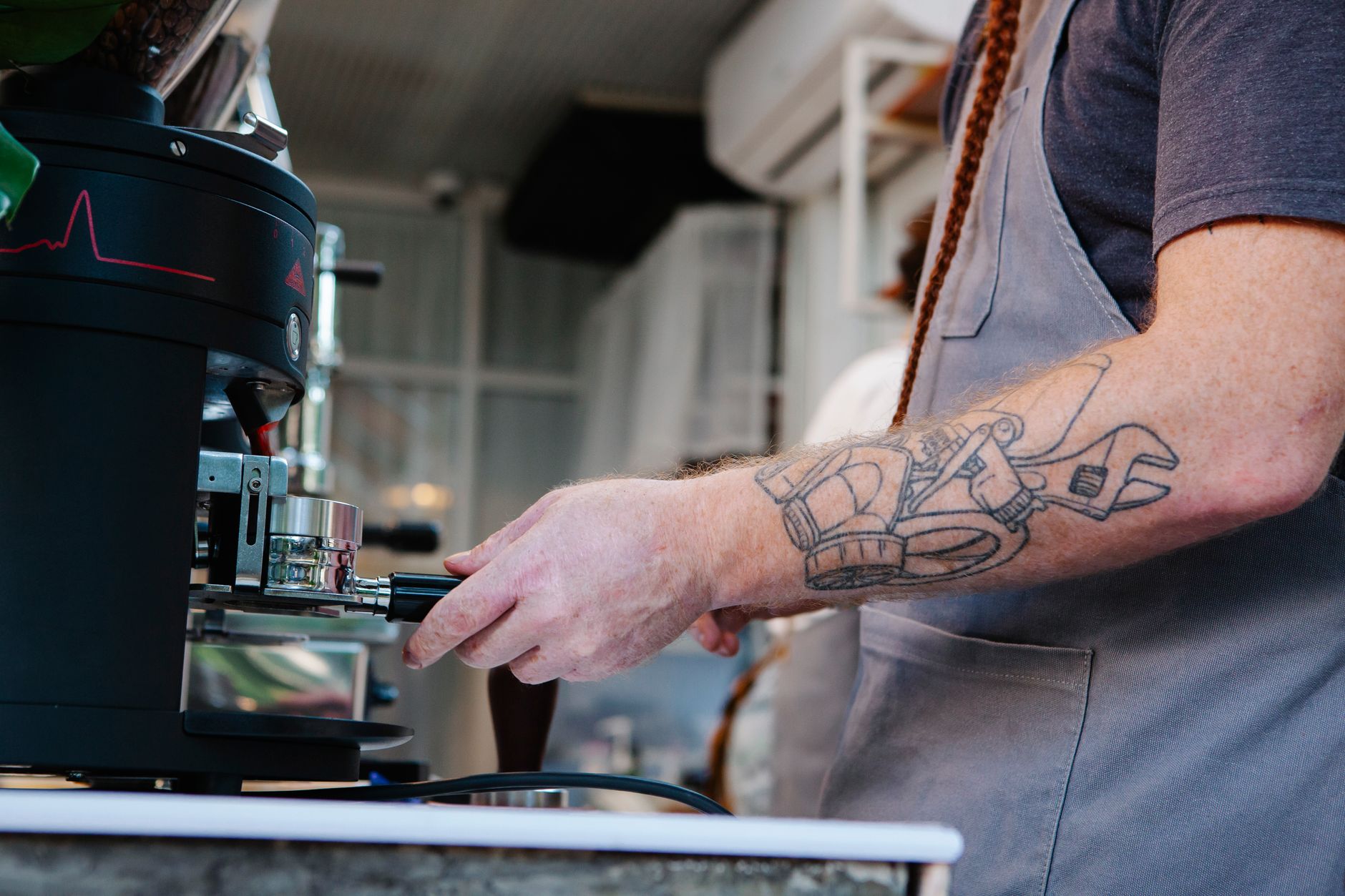
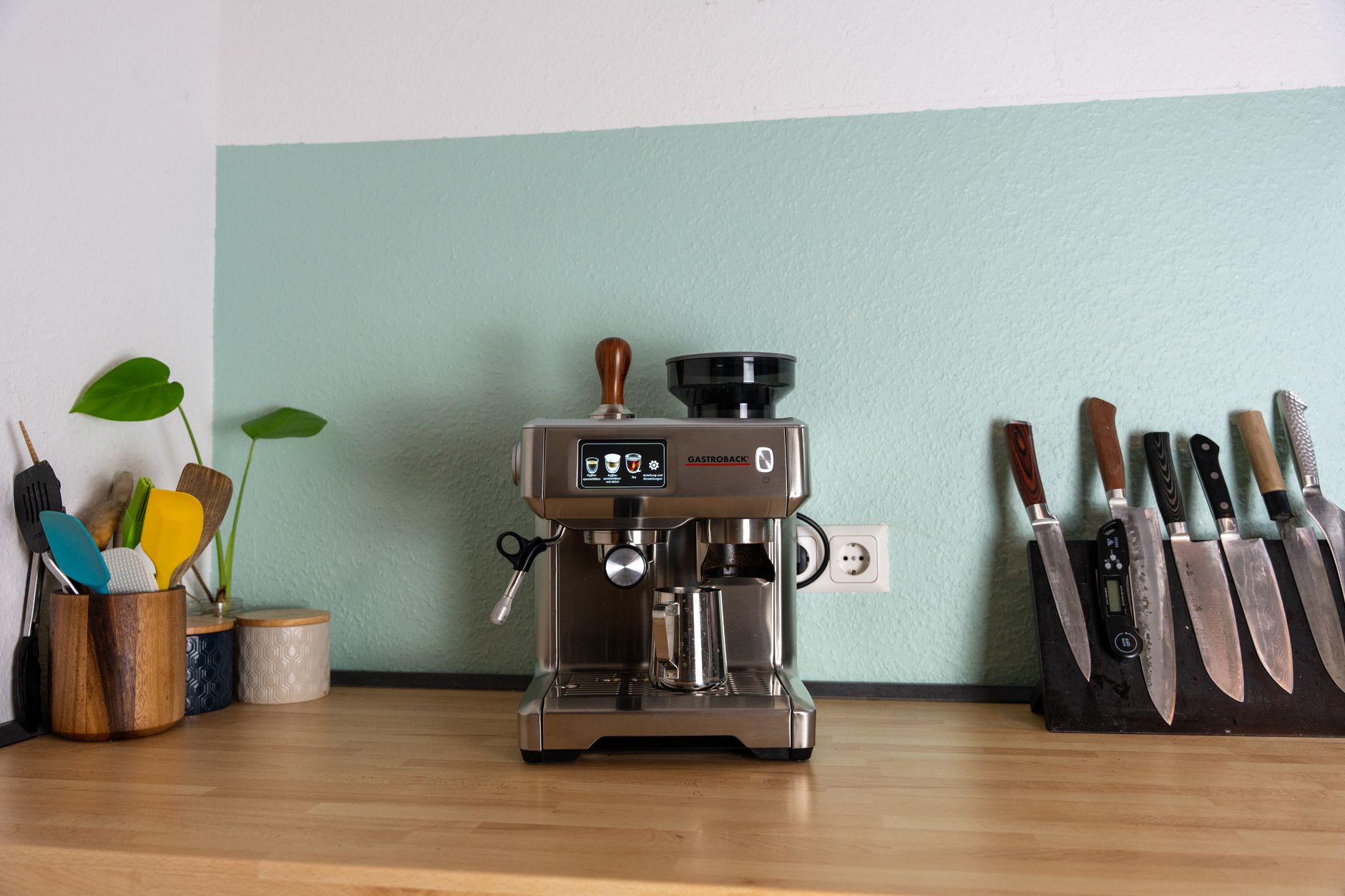 Photo: valverdesupport via Pexels
DeLonghi launched the La Specialista to address the real bottleneck for home espresso: the grinder. Most machines in this price range pair with mediocre integrated grinders or expect you to bring your own. La Specialista’s sensor grinding tech measures the actual resistance of the beans as they grind, adjusting dose by weight rather than time — a feature typically reserved for machines at double the price.
The result is a machine that reduces the variables new espresso drinkers struggle with most: grind dose, distribution, and tamp pressure. Whether that’s worth the premium depends on what you’re replacing and what you’re after.
DeLonghi La Specialista Specifications
| Spec | Detail |
|---|---|
| Boiler type | Dual thermoblock |
| Portafilter size | 54 mm |
| PID temperature control | Yes |
| Pump type | 19-bar Italian pump |
| Burr size | 50 mm conical steel |
| Grind settings | 8 |
| Milk system | Manual steam wand |
| Dimensions | 13.8“ × 12.2“ × 15.7“ |
| Weight | 22.9 lbs |
The dual thermoblock is worth noting: one heats water for brewing, the other for steam. This means you can switch between pulling a shot and steaming milk without waiting — a meaningful quality-of-life difference versus single-boiler machines at similar prices.
How Does Sensor Grinding Actually Work?
Sensor grinding measures bean density in real time. As the burrs grind, resistance sensors detect how hard the beans are packing — adjusting how long the grinder runs to deliver a consistent dose. You’re not setting a timer; you’re setting a target. Bean density varies batch to batch, and sensor tech accounts for that automatically.
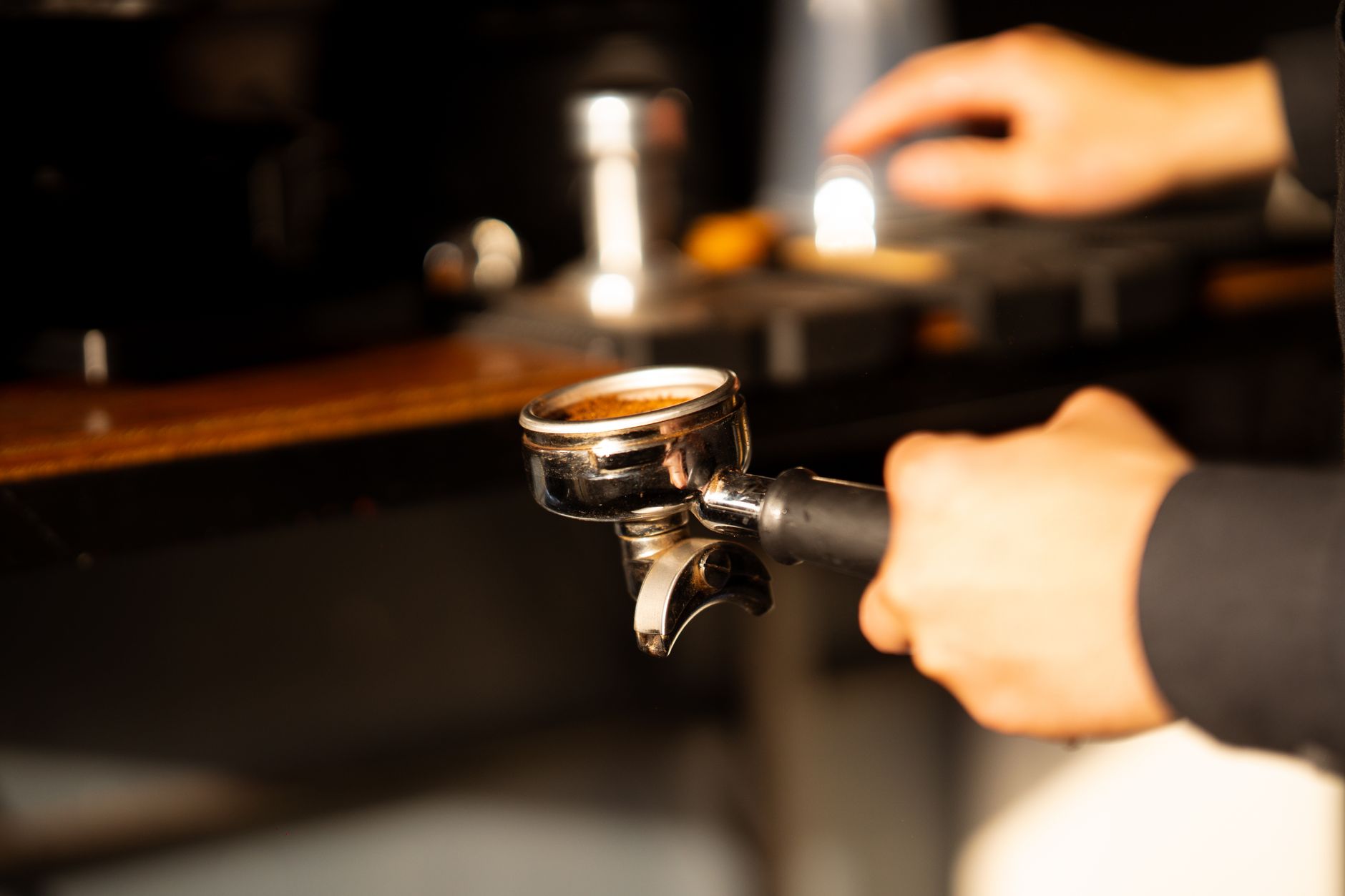
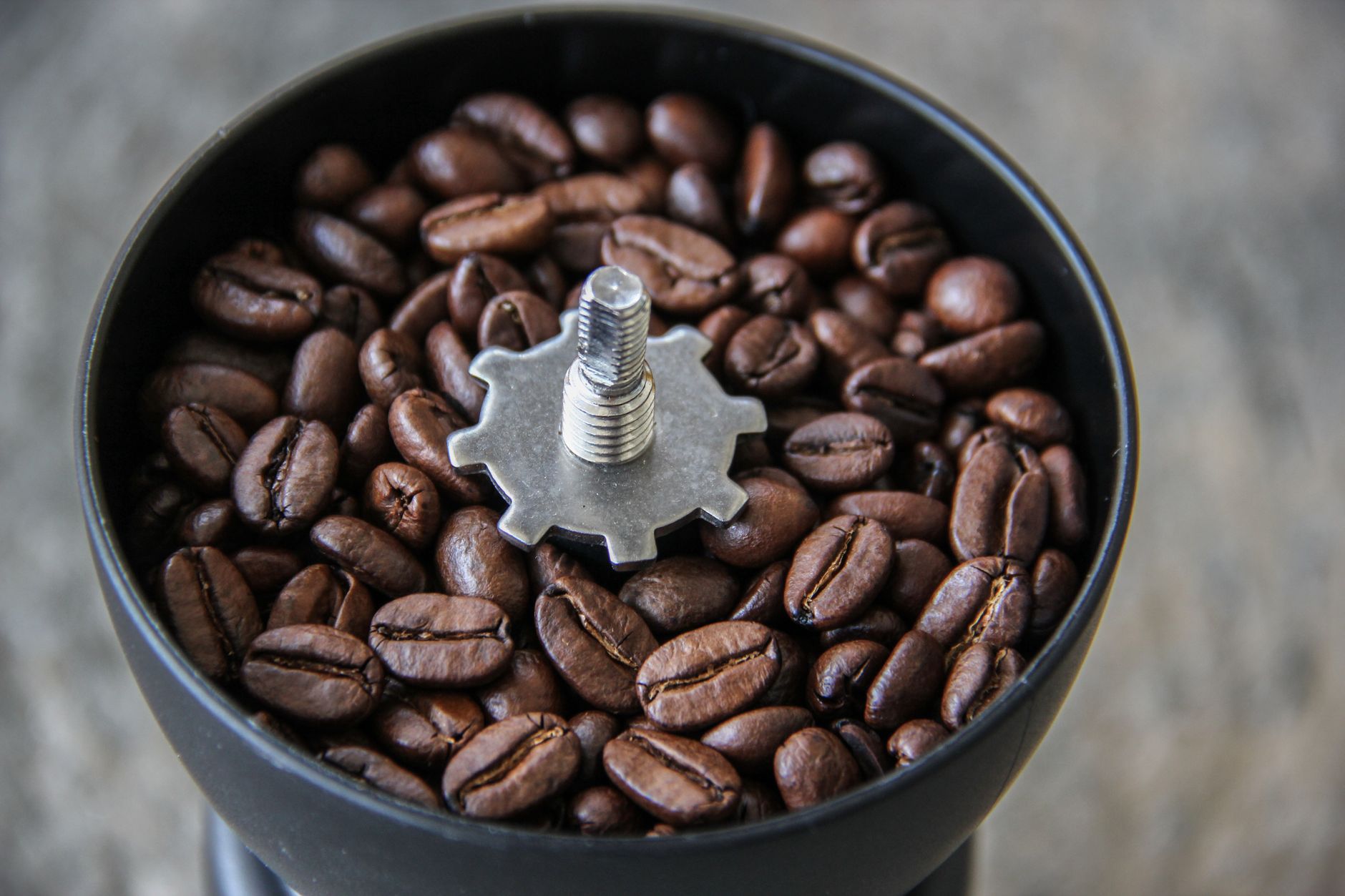 Photo: Jess Ho via Pexels
In practice, this means you load beans, select a grind setting, and the machine doses into the portafilter without you counting seconds or checking a scale. For most users, the dose lands within ±0.3g of target — precise enough that you don’t need to weigh every shot.
There’s a ceiling: with very light roasts or particularly oily beans, the sensor can drift. Power users chasing dialed-in light roast espresso will still want a standalone grinder. But for medium roast and darker — the range most home drinkers use — it performs reliably.
Espresso Quality: What the Shots Actually Taste Like
Shot quality is genuinely strong for an all-in-one machine. The PID-controlled dual thermoblock keeps brew temperature stable within ±1°C across a shot. Paired with the 54mm portafilter and 19-bar pump, the La Specialista pulls espresso with proper crema and body — closer to a $1,200 standalone machine setup than anything else at this price.
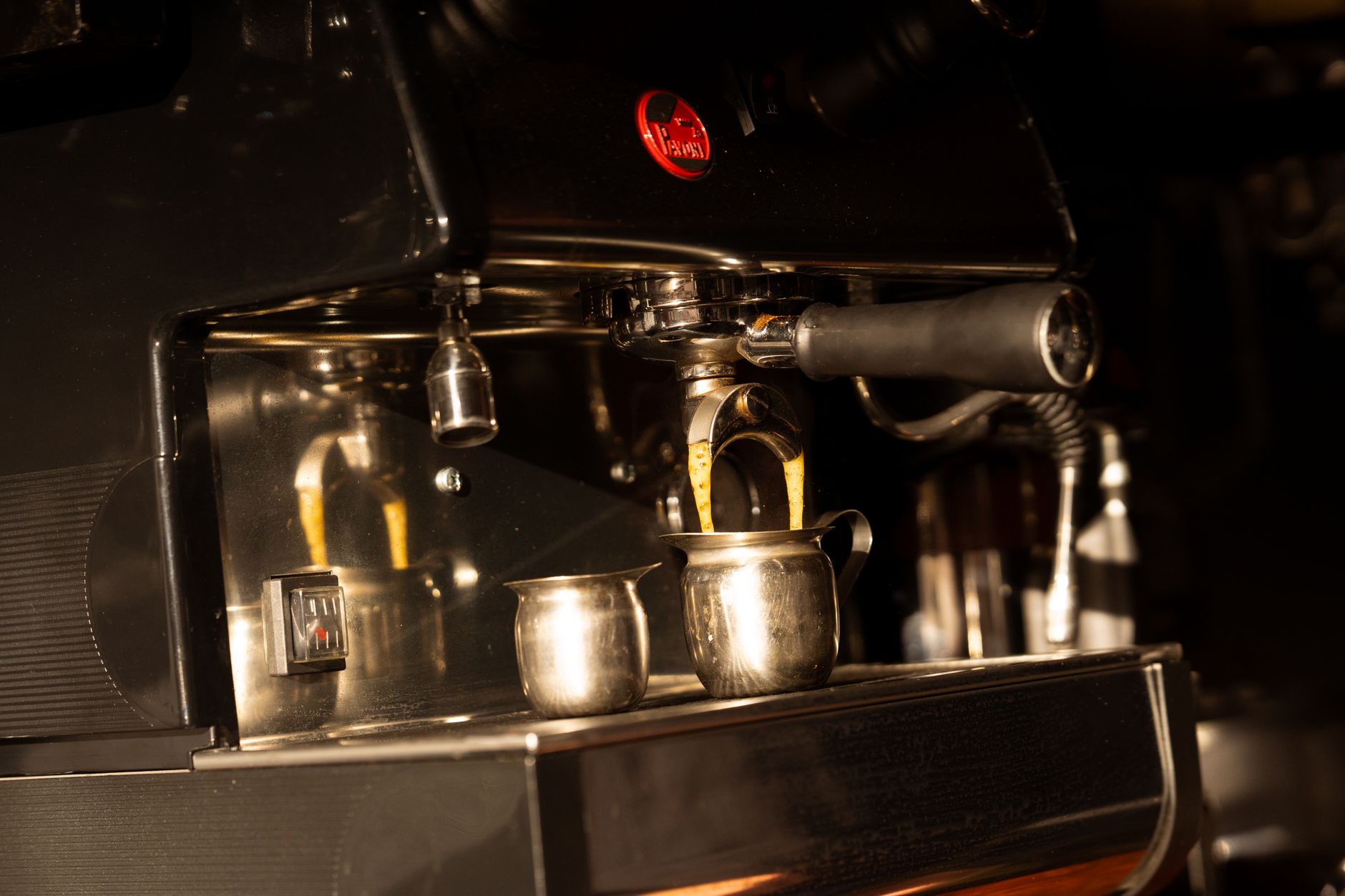
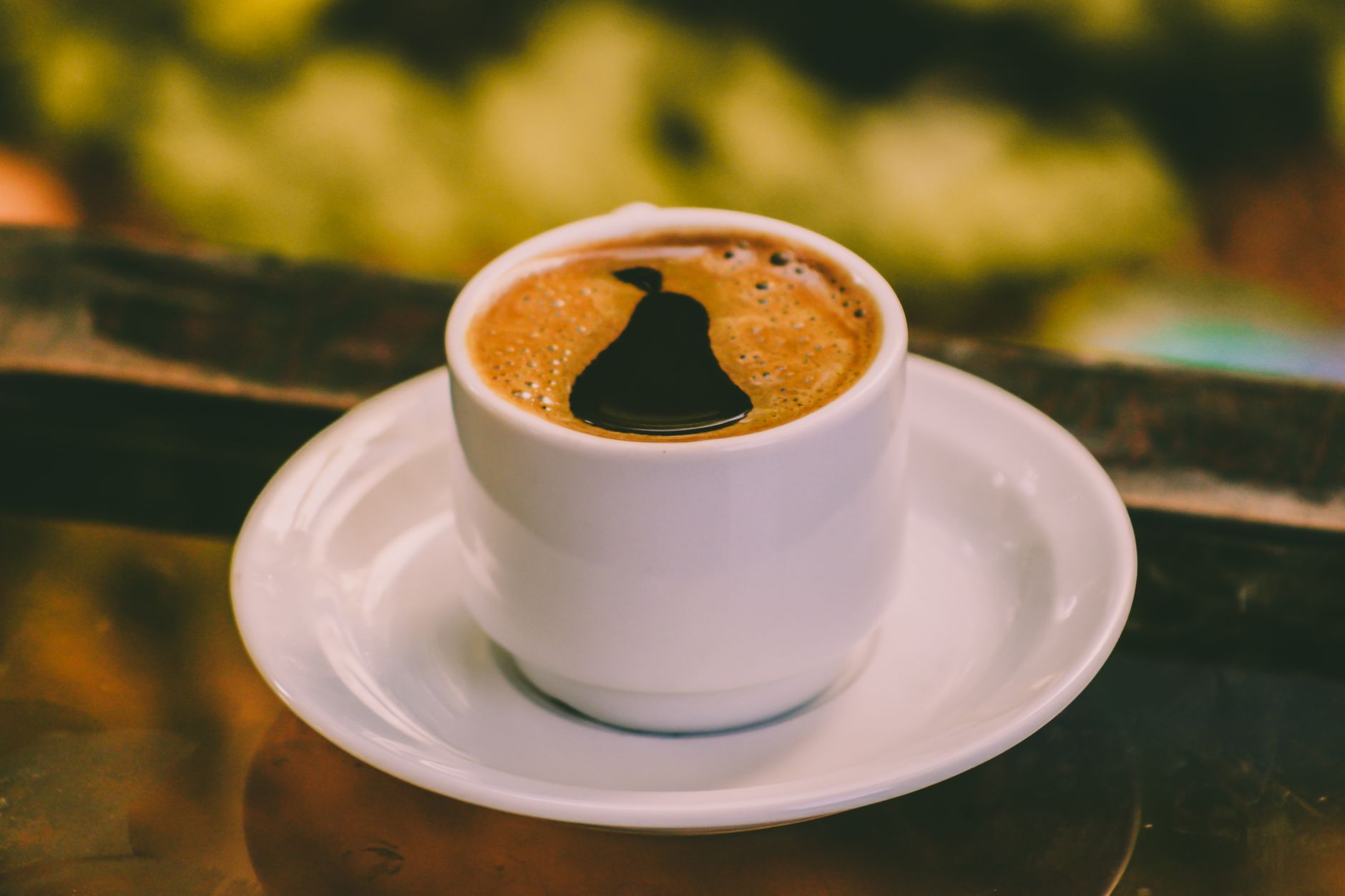 Photo: Samer Daboul via Pexels
The 54mm portafilter is slightly non-standard — Breville uses 54mm too, but most prosumer machines use 58mm. This limits aftermarket basket options slightly, though DeLonghi includes both single and double baskets in the box.
Pre-infusion is included and runs automatically. The machine briefly wets the puck at low pressure before full extraction, which reduces channeling and produces more even shots without any manual intervention. It’s not adjustable, which is a limitation for advanced users, but it does the job.
Steam and Milk Performance
The manual steam wand produces genuinely good microfoam. Wand pressure is strong — usable for latte art with practice. The dual thermoblock means you’re ready to steam within 20 seconds of finishing a shot, not 90. Milk quality depends on your technique, but the machine doesn’t limit you.
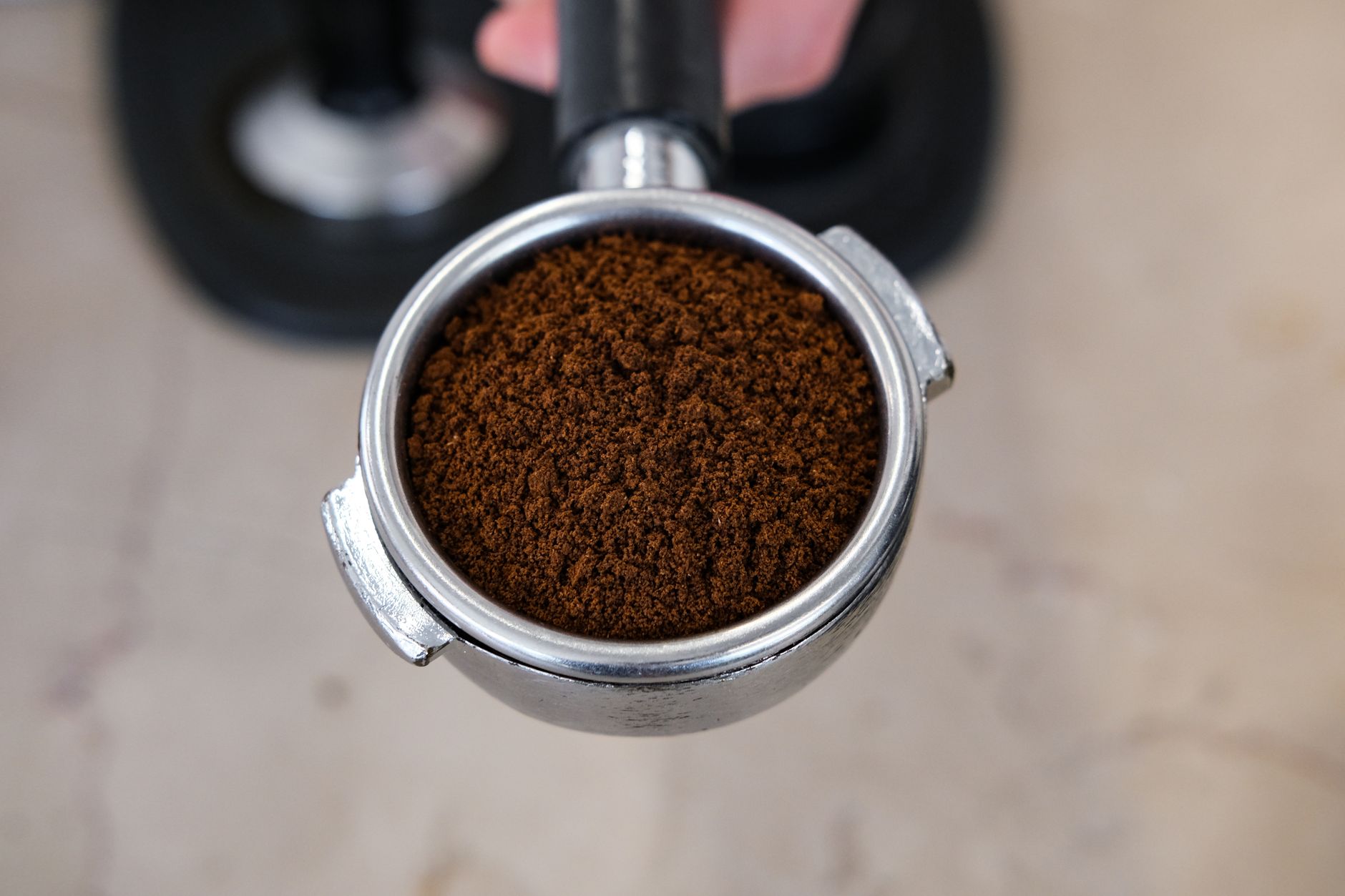
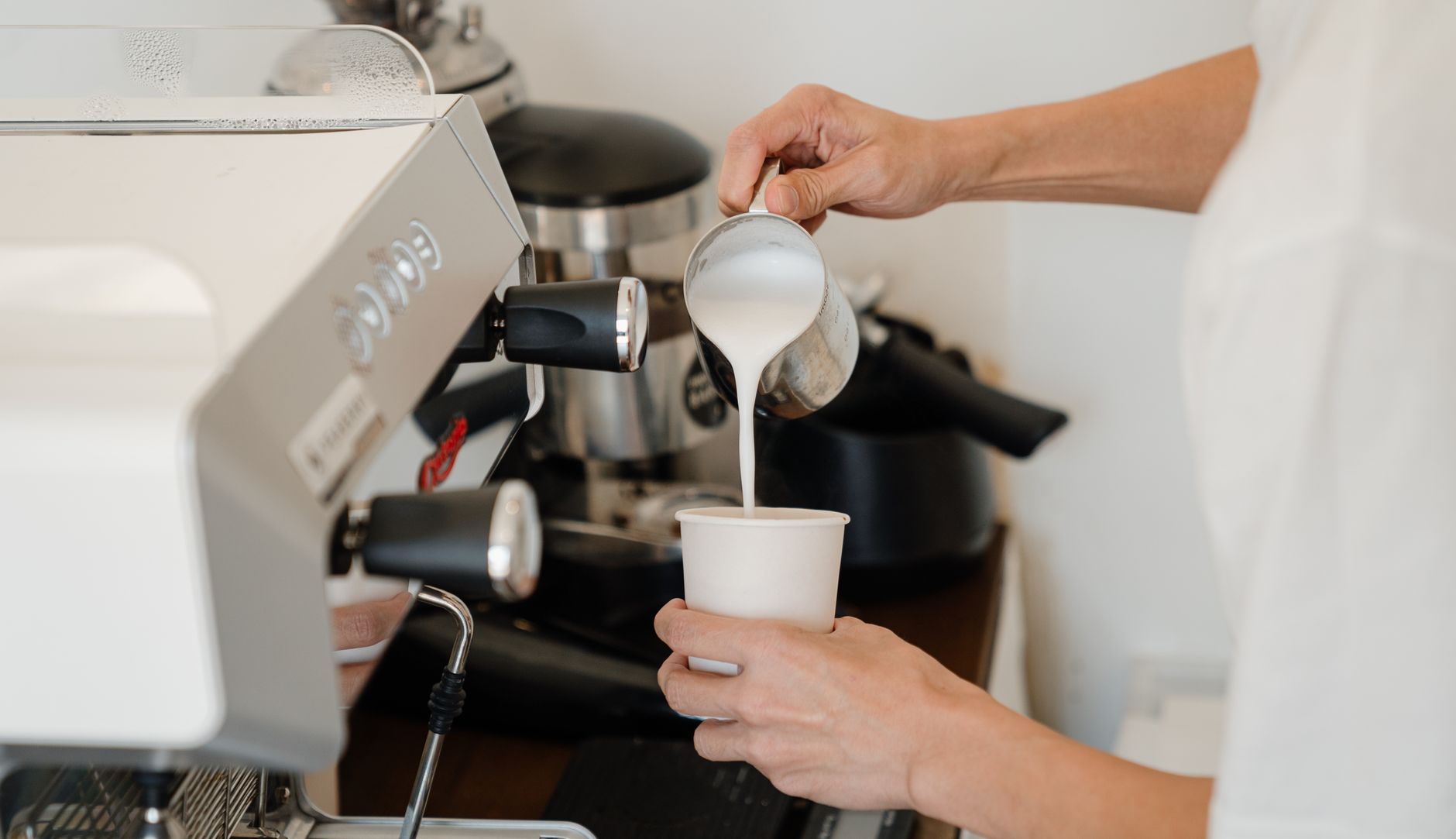 Photo: Ketut Subiyanto via Pexels
The wand has a single-hole tip, which gives you control but requires more technique than a four-hole panarello style. New users will take a week or two to dial in consistent microfoam. If you want automatic frothing, the La Specialista Arte
Comparison: La Specialista vs. Competing Machines
| Machine | Price | Boiler | Portafilter | PID | Pump | Best For |
|---|---|---|---|---|---|---|
| DeLonghi La Specialista | ~$749 | Dual thermoblock | 54 mm | Yes | 19-bar | All-in-one quality |
| Breville Barista Express |
The La Specialista’s sensor grinding gives it a real edge over the Barista Express and Pro in shot consistency. The 19-bar pump spec is inflated marketing — actual extraction pressure through the puck is 9 bars regardless. Both Breville machines share this.
Where the La Specialista loses ground is portafilter ecosystem (58mm is the industry standard) and grind range — only 8 settings versus Breville’s 30+. Fine-tuning extraction for specialty roasts is harder with fewer grind steps.
DeLonghi La Specialista: Verdict by User Type
Milk drinker: Strong choice. Dual thermoblock means fast transitions, wand produces real microfoam, and the auto-dosing means consistent shots even on tired mornings.
Espresso purist: Acceptable for medium roasts. Light roast and single-origin work is limited by the 8-step grinder — you’ll eventually want a standalone grinder. The machine body itself is capable, the grinder is the ceiling.
Convenience-first: Best in class at this price. Sensor dosing, gravity tamping, PID, and pre-infusion all happen automatically. If you want espresso without managing three separate devices, this is the machine.
What We’d Change
The gravity-assisted tamper works but requires you to press down with consistent pressure. It’s not a calibrated spring tamper — the pressure is only as consistent as your technique. A true calibrated tamper (like a Normcore V4) costs $50 and would remove this variable entirely.
The water tank sits at the back and requires pulling the machine forward to refill. Not a dealbreaker, but a daily annoyance in tight kitchens.
→ See Also
- The Complete Guide to Espresso Machines (2026) — full framework for choosing your first or next machine
- Best Espresso Machine Under $500 (2026) — alternatives if the La Specialista is over budget
- Best Espresso Machine Under $200 (2026) — entry-level options for new espresso drinkers
FAQ
Is the DeLonghi La Specialista worth the money? For most home baristas, yes. You’re getting a PID-controlled dual thermoblock machine with sensor grinding for around $749 — a comparable separate grinder and machine setup would cost $1,000+. The tradeoffs (54mm portafilter, 8 grind steps) matter mainly to experienced users.
How does the La Specialista compare to the Breville Barista Express? The La Specialista’s sensor grinding is measurably more consistent than the Barista Express’s time-based dosing. The dual thermoblock also allows faster shot-to-steam transitions. The Barista Express has 30 grind settings versus 8, which matters if you want to fine-tune extraction for different roasts.
Can you use the La Specialista without the built-in grinder? Yes. The portafilter accepts pre-ground coffee — you bypass the grinder entirely and tamp manually. This works fine if you have a preferred standalone grinder or want to use pre-ground coffee occasionally.
What grind setting should I start with on the La Specialista? Start at setting 4 (middle of the range) with a medium roast. A properly extracted shot should take 25–30 seconds from first drip for a double. Adjust finer if the shot runs too fast; coarser if it chokes. The sensor dosing handles quantity; grind setting controls extraction time.
Does the DeLonghi La Specialista make good milk drinks? Yes. The manual steam wand with a 20-second ready time makes flat whites, lattes, and cappuccinos practical to prepare back-to-back. The dual thermoblock is the key feature here — single-boiler machines require a 90-second cooldown between pulling a shot and steaming.
Editorial methodology: Assessments are based on manufacturer specifications, published user reviews, and editorial research. Physical hands-on testing is noted explicitly where it occurred. Rankings reflect our editorial judgment and are not influenced by affiliate commission rates. Full editorial policy · Affiliate disclosure