Contents
Espresso Machine Boiler Types Explained: Single vs Dual vs HX
TL;DR: The three main espresso machine boiler types are single boiler, heat exchanger (HX), and dual boiler. Single boilers are affordable but require waiting between espresso and steam. HX machines steam and brew simultaneously at a lower price point. Dual boilers offer independent temperature control for both functions — the gold standard for serious home espresso.
What Are Espresso Machine Boiler Types?
The boiler is the heart of any espresso machine — it heats water for both brewing and steaming. The type you choose determines workflow speed, temperature precision, and price. Single boilers suit beginners and budget buyers; HX machines hit the sweet spot for milk drinks; dual boilers are built for espresso obsessives who won’t compromise on either.
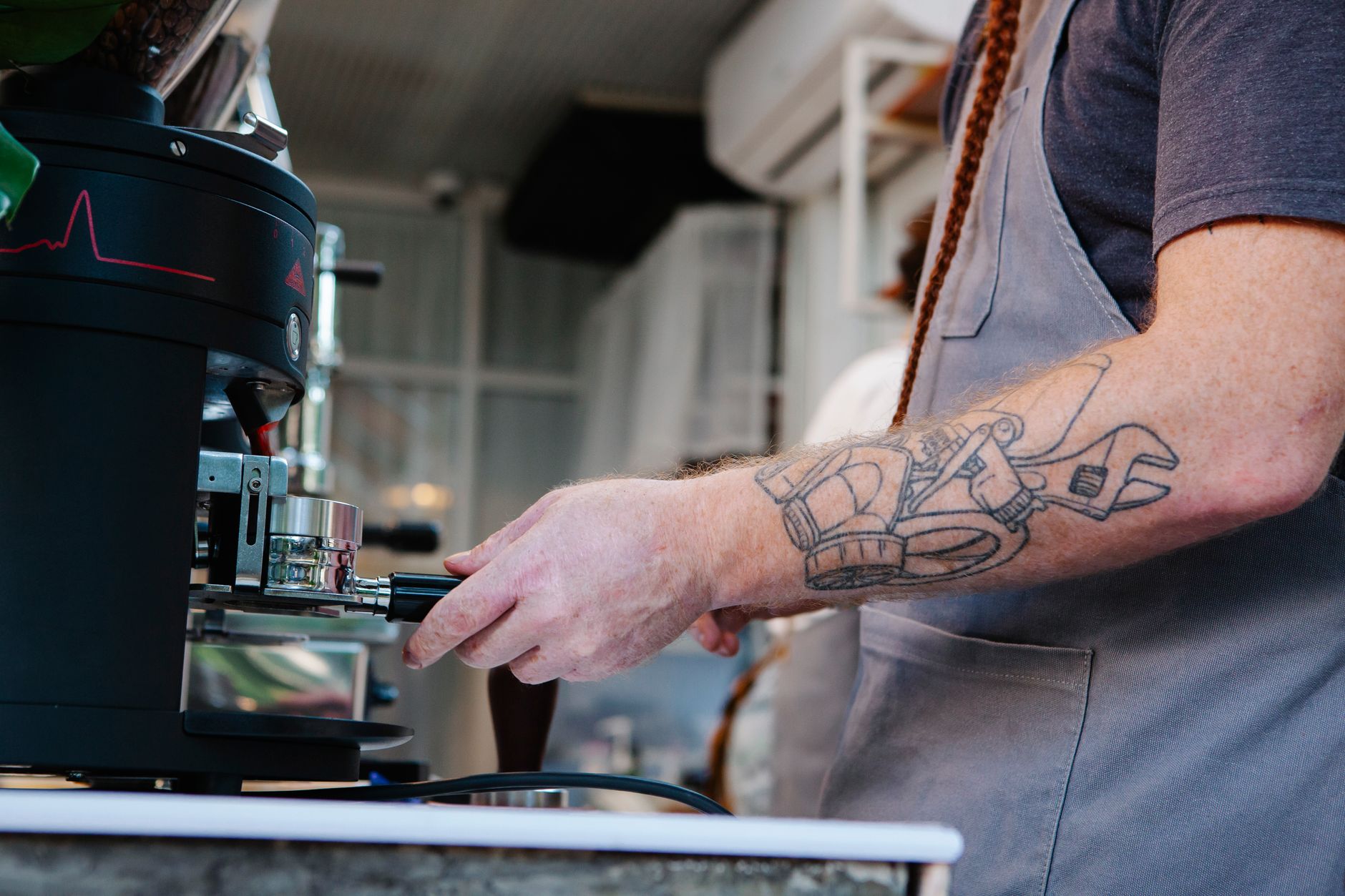
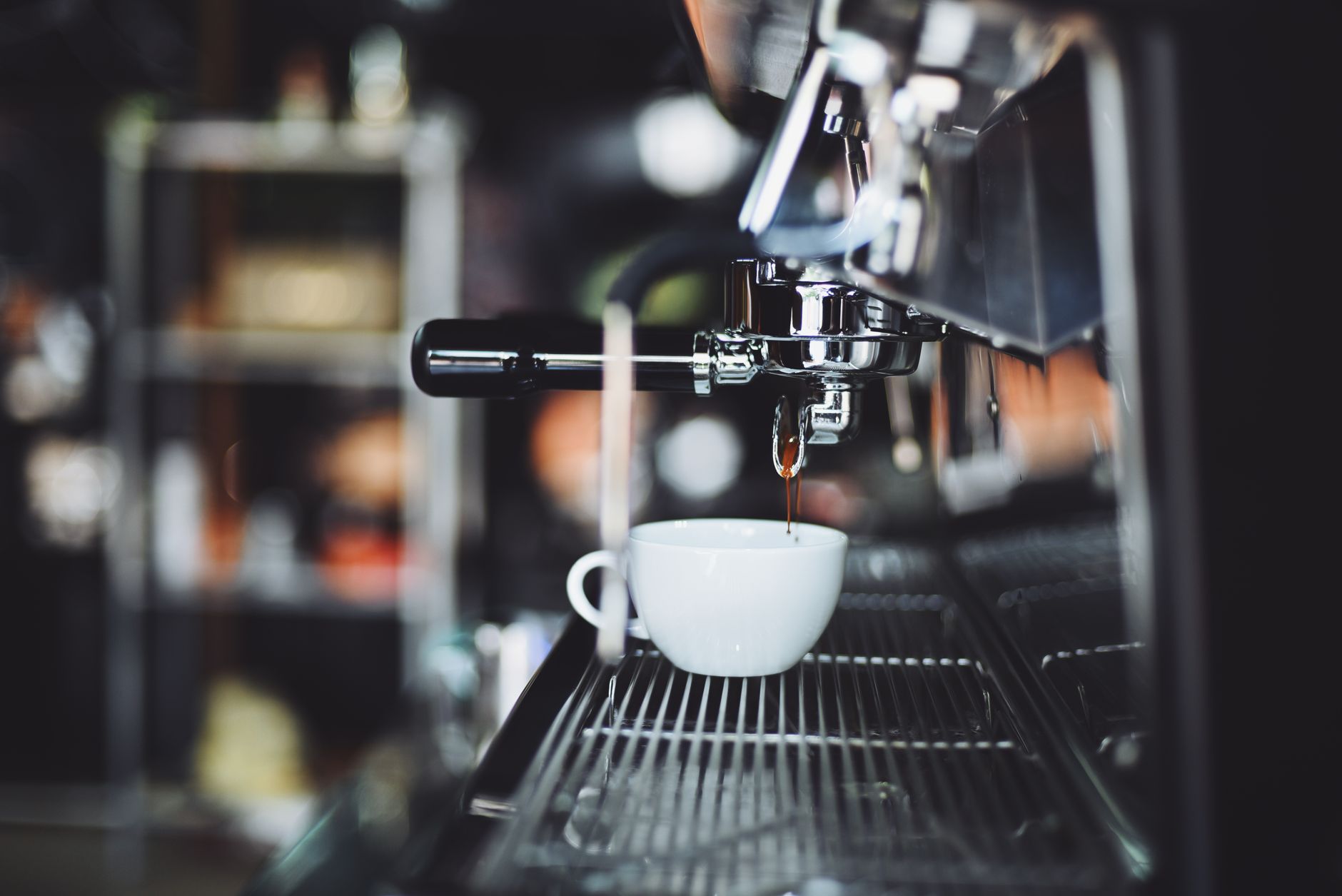 Photo: Chevanon Photography via Pexels
Every shot of espresso needs water at 88–96°C. Steam for milk needs water above 120°C. Those two requirements in one machine is the engineering problem that boiler design solves — and each solution has different trade-offs.
Single Boiler: One Tank, Two Jobs
A single boiler does everything with one heated chamber. Brew, then switch to steam — but never both at once. You’ll wait 30–90 seconds between modes as the boiler ramps up or cools down. For straight espresso drinkers or light milk drink users, this is a non-issue.
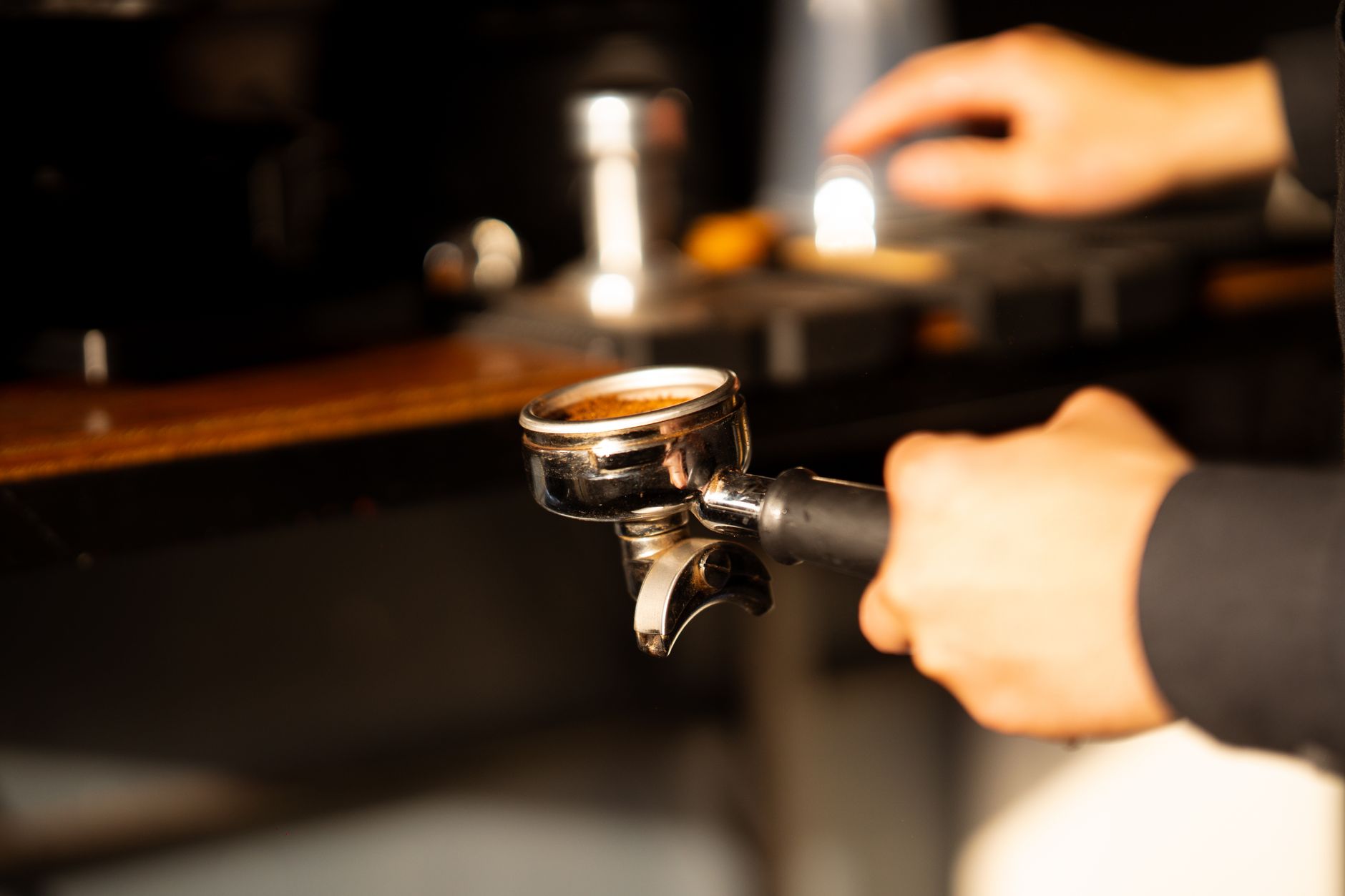
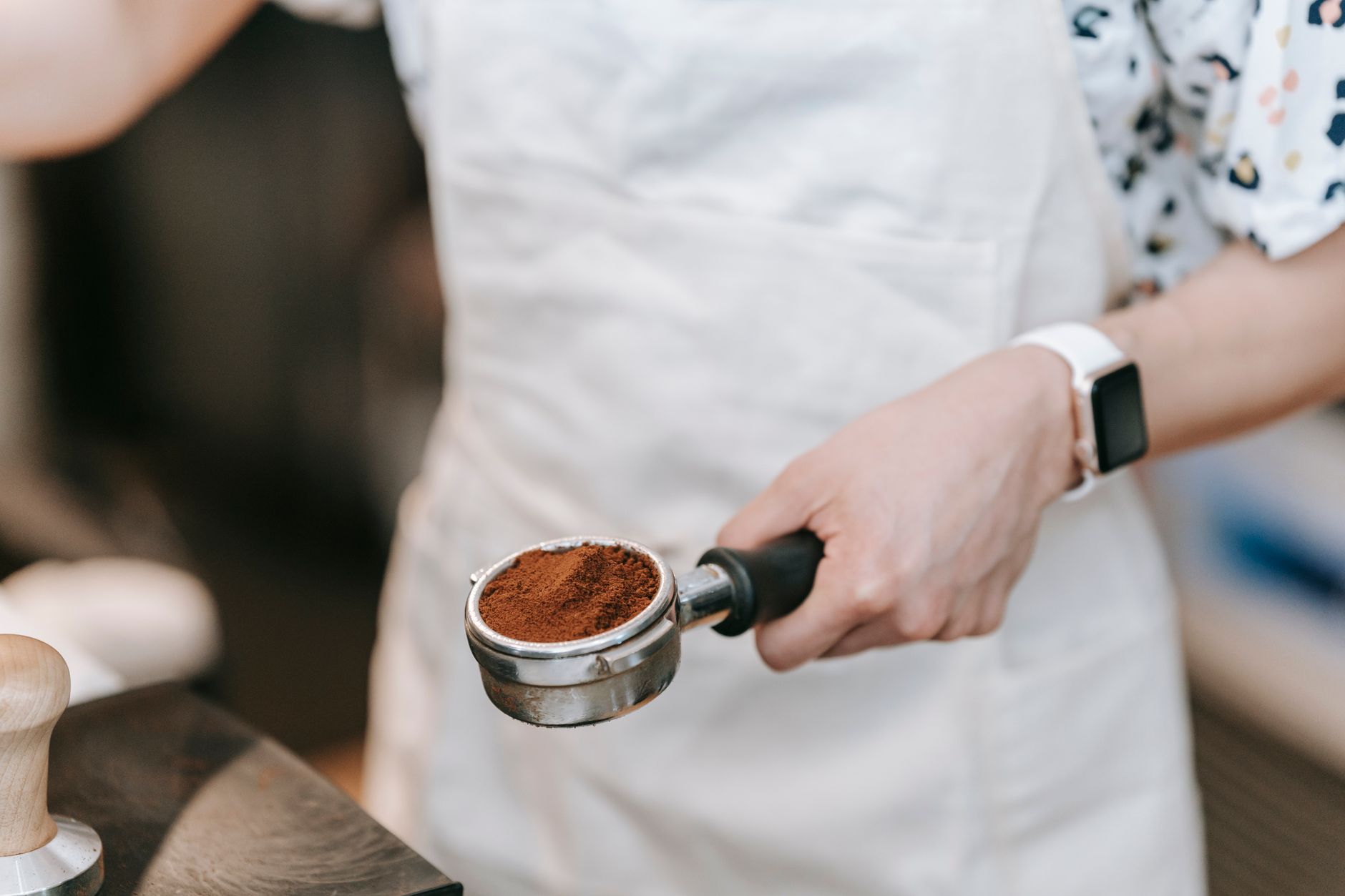 Photo: Mike Jones via Pexels
Single boiler machines dominate the entry-level market because they’re mechanically simple. Fewer components means lower cost, easier maintenance, and a smaller footprint.
Temperature Surfing on Single Boilers
Without a PID controller, single boiler machines run one fixed temperature. Pulling a shot at the wrong point in the heating cycle means under- or over-extracted espresso. Experienced users “temperature surf” — timing shots based on when the boiler cycles off. Machines with PID eliminate this entirely.
Who it’s for: Budget buyers, espresso-first households where milk drinks are rare, or anyone building their first home setup.
Heat Exchanger (HX): Simultaneous Without Dual Boilers
An HX machine runs one large boiler at steam temperature (120–125°C), with a copper tube — the heat exchanger — running through it. Fresh brew water passes through that tube and reaches espresso temperature on its way to the group head. Steam is always ready. No waiting.
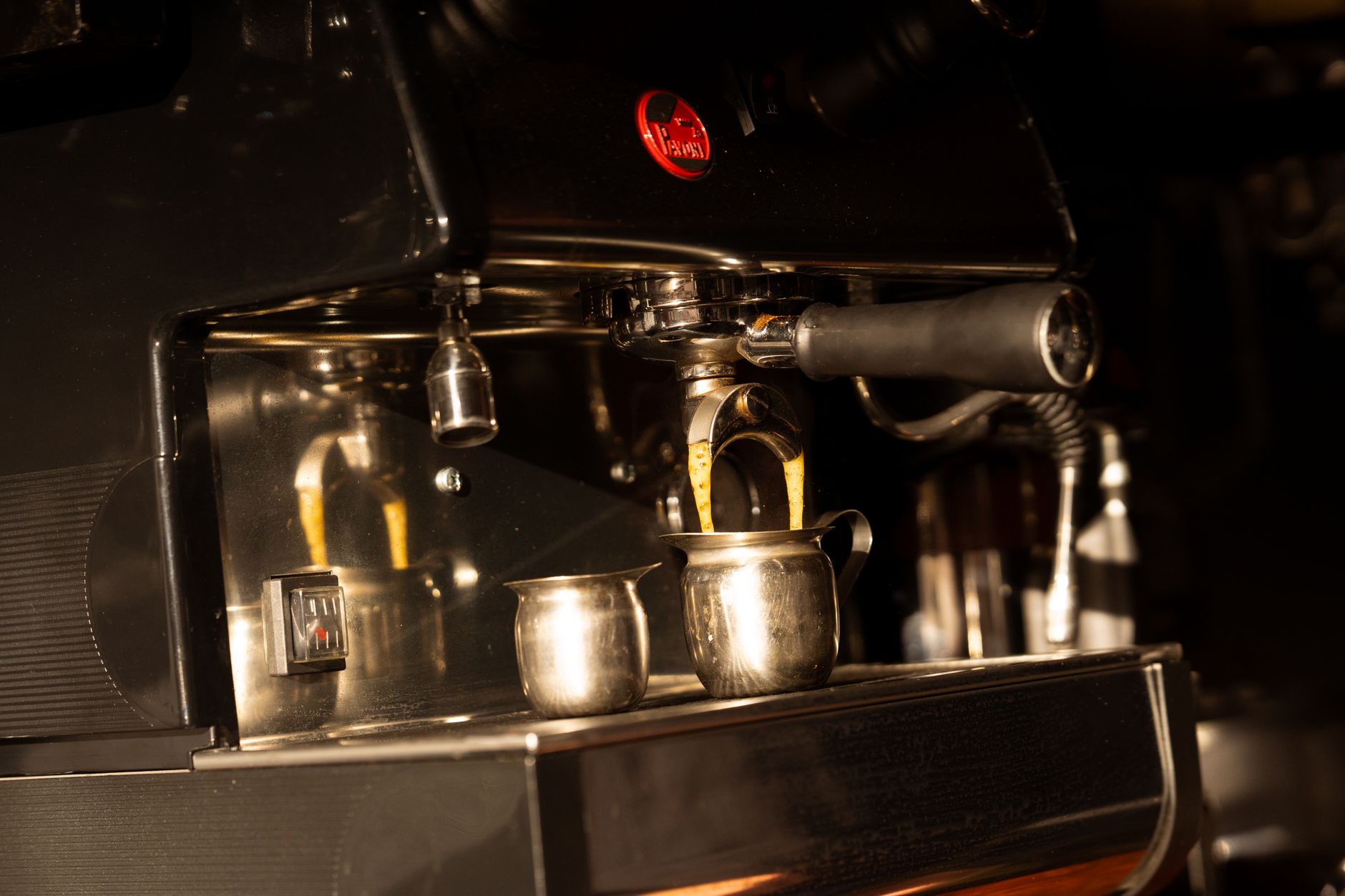
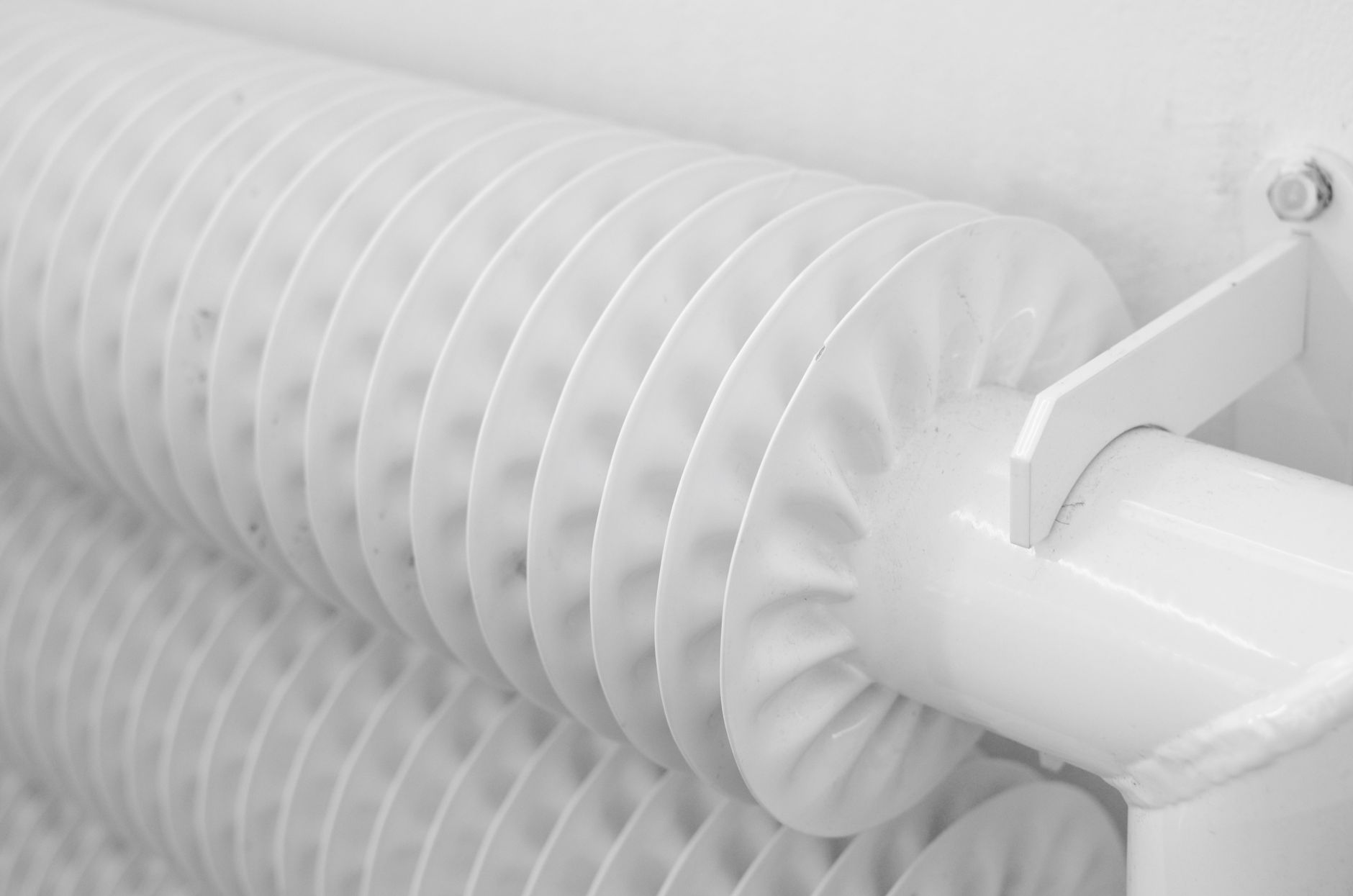 Photo: Skylar Kang via Pexels
This is clever engineering: the large boiler stays hot for continuous steam, while the HX tube cools the water to brew temperature in transit. The result is a machine that pulls shots and steams milk simultaneously — previously a pro-kitchen feature, now accessible from around $800.
The HX Flush
HX machines have one quirk: if the group head sits idle, the water in the exchange tube overheats. Before pulling a shot, you flush 2–4 oz of water through the head to drop the temperature. Experienced HX users do this instinctively. For some beginners, it’s a friction point.
HX vs Dual Boiler for Milk Drinks
For cappuccinos and lattes, HX machines perform extremely well. The brew temperature is less precisely controllable than a dual boiler — you’re relying on the HX tube length, ambient temperature, and flush technique — but skilled users pull consistently excellent shots.
Who it’s for: Milk drink households who want workflow speed without dual boiler prices. The classic “prosumer” choice.
Dual Boiler: Independent Control, Maximum Precision
Two separate boilers — one dedicated to brewing, one to steam — each with its own PID and thermostat. Brew at exactly 93°C while steaming continuously at 125°C. No temperature compromises, no flushes, no waiting. This is how commercial machines work, shrunk to counter size.
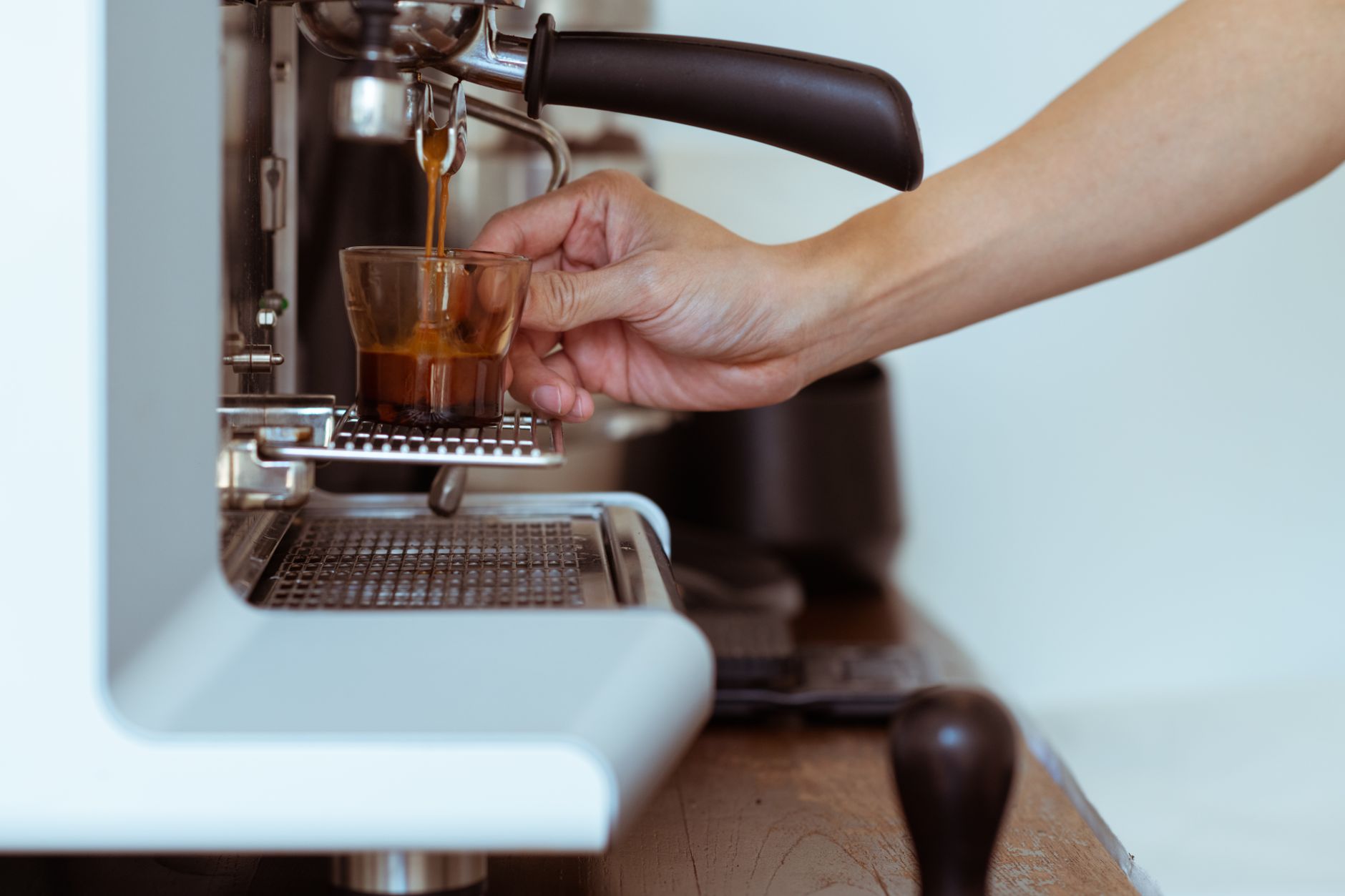
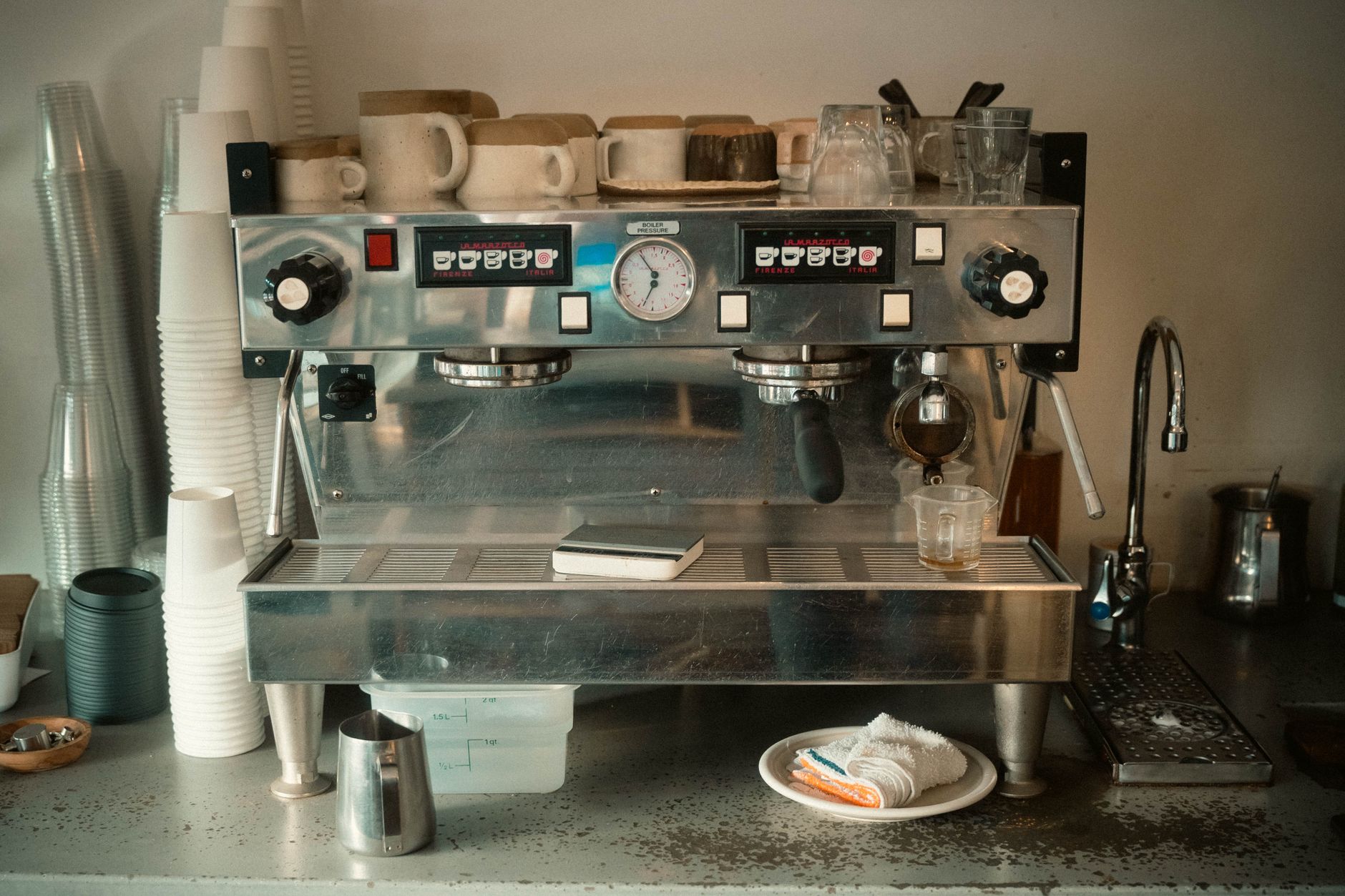 Photo: James Collington via Pexels
Dual boiler machines entered the home market in the mid-2000s and changed what home espresso meant. With independent PIDs, you can dial brew temperature to the degree — critical for light roasts, which typically need higher brew temps (94–96°C), versus darker roasts at 88–92°C.
The Case for Dual Boilers at Home
Temperature stability directly affects extraction consistency. A dual boiler maintains brew temperature within ±0.5°C for back-to-back shots, something single and HX boilers can’t reliably match. For dialing in a new coffee or competing in home barista competitions, that repeatability matters.
The trade-off: price (typically $1,500+), size (dual boilers are heavier and wider), and longer warm-up times (15–25 minutes for full thermal stability).
Who it’s for: Espresso obsessives, home baristas shooting for café-quality consistency, or anyone brewing light roast single origins where temperature precision changes the cup.
Boiler Type Comparison Table
| Feature | Single Boiler | Heat Exchanger | Dual Boiler |
|---|---|---|---|
| Simultaneous brew + steam | No | Yes | Yes |
| Temperature precision | Low–Medium | Medium | High |
| PID availability | Optional | Optional | Standard |
| Entry price | $200–$600 | $700–$1,500 | $1,200–$3,000+ |
| Warm-up time | 10–15 min | 10–20 min | 20–30 min |
| Maintenance complexity | Low | Medium | Medium–High |
| Best for | Espresso-first, budget | Milk drinks, prosumer | Precision, volume |
Does Boiler Size Matter?
Yes — and it’s underrated. A 1.8L dual boiler holds more thermal mass than a 0.3L single boiler, meaning temperature recovery between shots is faster and more stable. For back-to-back pulling, especially with guests, boiler volume determines how long quality holds before you’re fighting temperature drop.
Steam boiler size specifically affects steaming capacity: a 0.5L steam boiler will run out of steam power after 2–3 consecutive drinks. A 1.5L boiler keeps going.
Thermoblock and Thermocoil: The Alternatives
Some machines skip boilers entirely and use a thermoblock or thermocoil — a heated metal block or coiled pipe that heats water on demand.
- Thermoblock: Fast heat-up (under 60 seconds), lower cost, less thermal stability. Common in budget superautomatics.
- Thermocoil: A longer, coiled version with better thermal mass. Used in high-end superautomatics like the Breville/Sage Barista line.
Neither matches a proper boiler for espresso temperature stability, but thermoblocks are fine for casual use and significantly cut warm-up time.
→ See Also
- The Complete Guide to Espresso Machines (2026)
- Best Espresso Machine Under $200 (2026)
- Best Espresso Machine Under $500 (2026)
FAQ
Does boiler type affect espresso taste? Yes, indirectly. Boiler type determines temperature stability, and brew temperature affects extraction — higher temps pull more from light roasts; lower temps suit darker roasts. A dual boiler’s precision lets you dial this in; a single boiler without PID gives you less control.
Is a heat exchanger machine good for beginners? It can be, but the flush routine adds a learning curve. If you’re making mostly milk drinks and want speed without dual boiler cost, an HX machine is a strong choice — just budget time to learn the pre-shot flush.
How long do espresso machine boilers last? A well-maintained boiler lasts 10–15 years or longer. Descaling on schedule (every 2–3 months with hard water) is the biggest factor. Single boilers are the simplest to descale; dual boilers have two circuits to maintain.
Can I upgrade my single boiler to a dual boiler? No — boiler type is a fundamental design decision, not a component you swap. If you outgrow a single boiler, it’s a new machine purchase. That said, adding a PID to an existing single boiler (if the machine supports it) significantly improves temperature consistency and extends its useful life.
Why do professional café machines use dual boilers? Café workflow demands continuous steaming and back-to-back shots simultaneously. A dual boiler handles this without temperature drop or mode-switching. Commercial machines often run multiple brew boilers in parallel — the same principle scaled up.
Editorial methodology: Assessments are based on manufacturer specifications, published user reviews, and editorial research. Physical hands-on testing is noted explicitly where it occurred. Rankings reflect our editorial judgment and are not influenced by affiliate commission rates. Full editorial policy · Affiliate disclosure