Contents
Best Espresso Machines for Beginners (2026)
TL;DR: The best espresso machine for beginners balances ease of use with genuine espresso quality. For most people starting out, a semi-automatic with a pressurized portafilter and built-in grinder removes the biggest friction points. Top picks: Breville Barista Express for those who want to learn, De’Longhi Dedica for tight budgets and counter space.
Which Espresso Machine Should a Beginner Actually Buy?
Direct Answer: Buy the Breville Barista Express
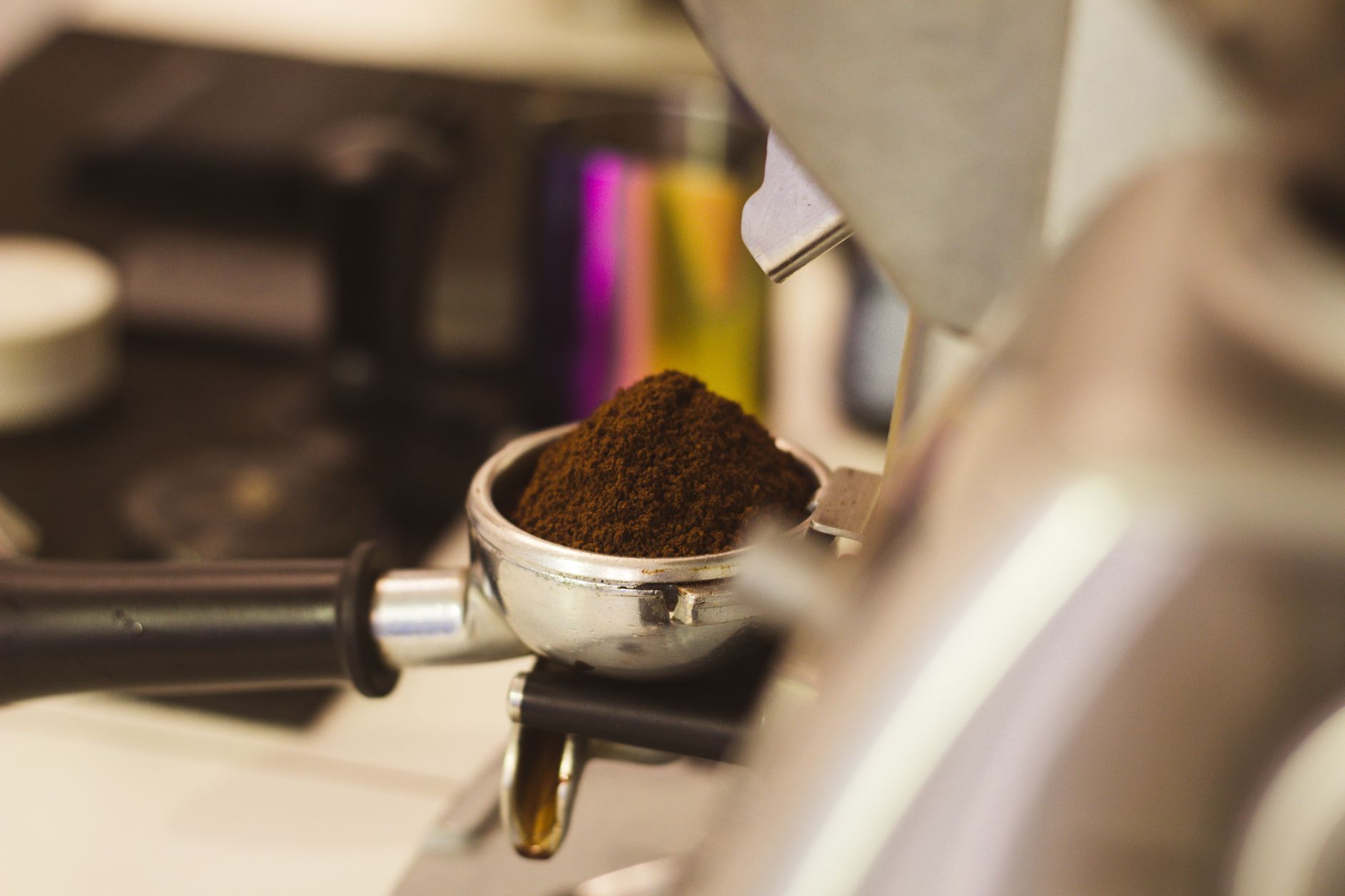 Photo: Far MWX via Pexels
Most beginners fail not because of the machine but because of grind inconsistency. A machine with a built-in grinder — or a pressurized portafilter that compensates for grind variance — buys you a much longer runway before technique becomes the bottleneck.
The machines below are ranked by how forgiving they are, not by spec sheet horsepower.
| Machine | Price | Key Feature | Best For |
|---|---|---|---|
| Breville Bambino | ~$300 | 3-second heat-up, automatic steam wand | Beginners who want fast milk drinks |
| Breville Barista Express | ~$700 | Built-in grinder + PID | Learning real espresso skills |
| De’Longhi Dedica EC685 | ~$150 | Compact, pressurized portafilter | Tight budget or counter space |
| Gaggia Classic Pro | ~$450 | Commercial group head, non-pressurized | Skill-builder with a growth ceiling |
| Nespresso Vertuo Pop | ~$100 | Pod-based, zero technique required | Zero-effort convenience only |
What Makes an Espresso Machine Beginner-Friendly?
Direct Answer: Forgiveness. A beginner-friendly espresso machine tolerates imprecise tamping, accepts pre-ground or inconsistently ground coffee, and gives clear feedback. Features like pressurized baskets, single-boiler simplicity, and guided milk texturing matter more than boiler size or pump pressure ratings at this stage.
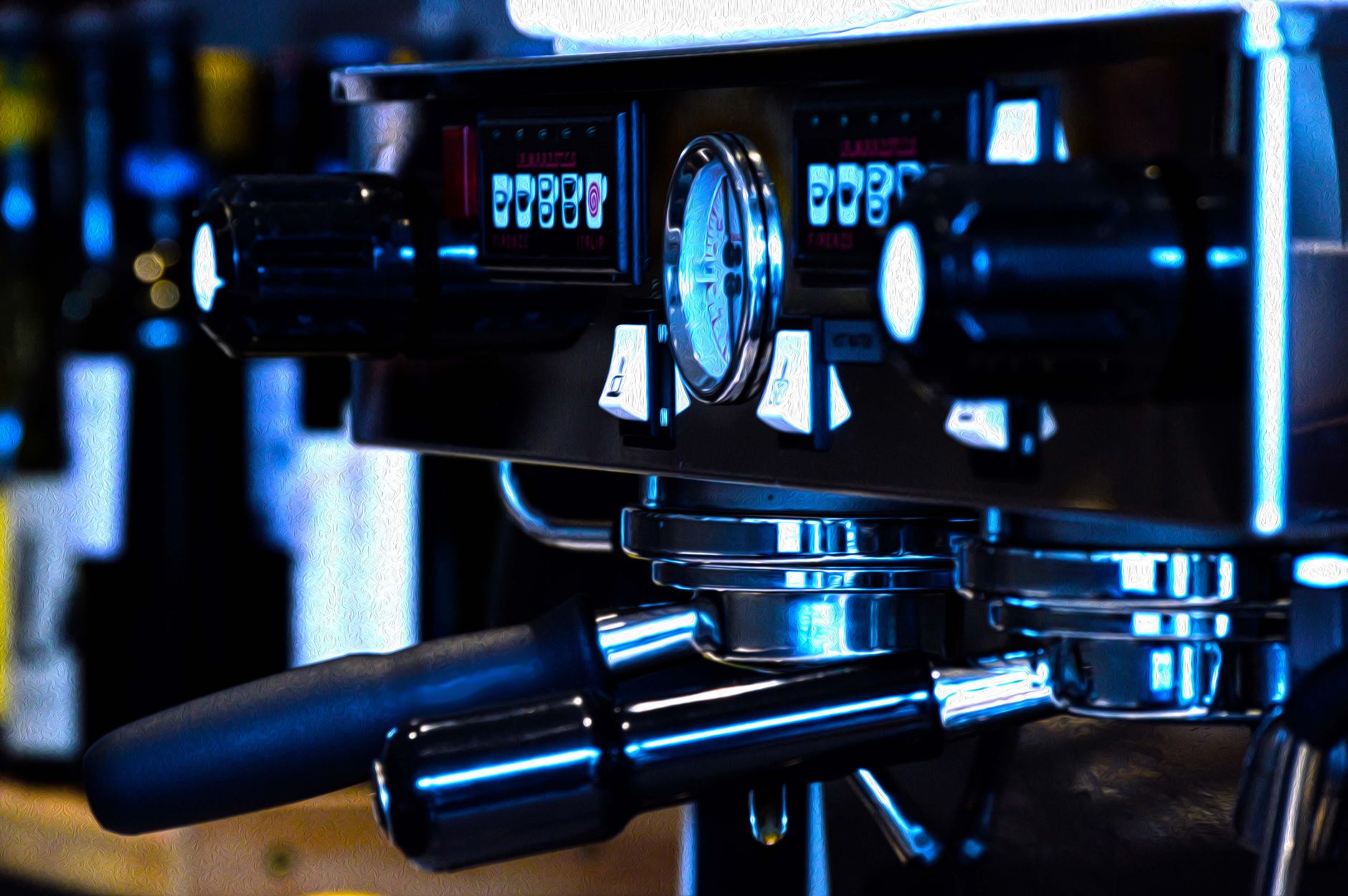 Photo: Elwira Glowacz via Pexels
Key traits to look for:
| Feature | Why It Helps Beginners |
|---|---|
| Pressurized portafilter | Compensates for grind inconsistency |
| Built-in grinder | Removes the “buy a separate grinder” step |
| Single boiler | Simpler to maintain and understand |
| PID temperature control | Consistent extractions without manual warm-up timing |
| Steam wand with panarello | Produces foam without milk texturing technique |
Top Espresso Machines for Beginners in 2026
Breville Barista Express — Best Overall for Beginners
Direct Answer: The Barista Express is the best all-in-one espresso machine for beginners who want to grow. The integrated conical burr grinder with dose control eliminates the biggest variable for new users, and the semi-automatic operation teaches real espresso fundamentals without overwhelming complexity.
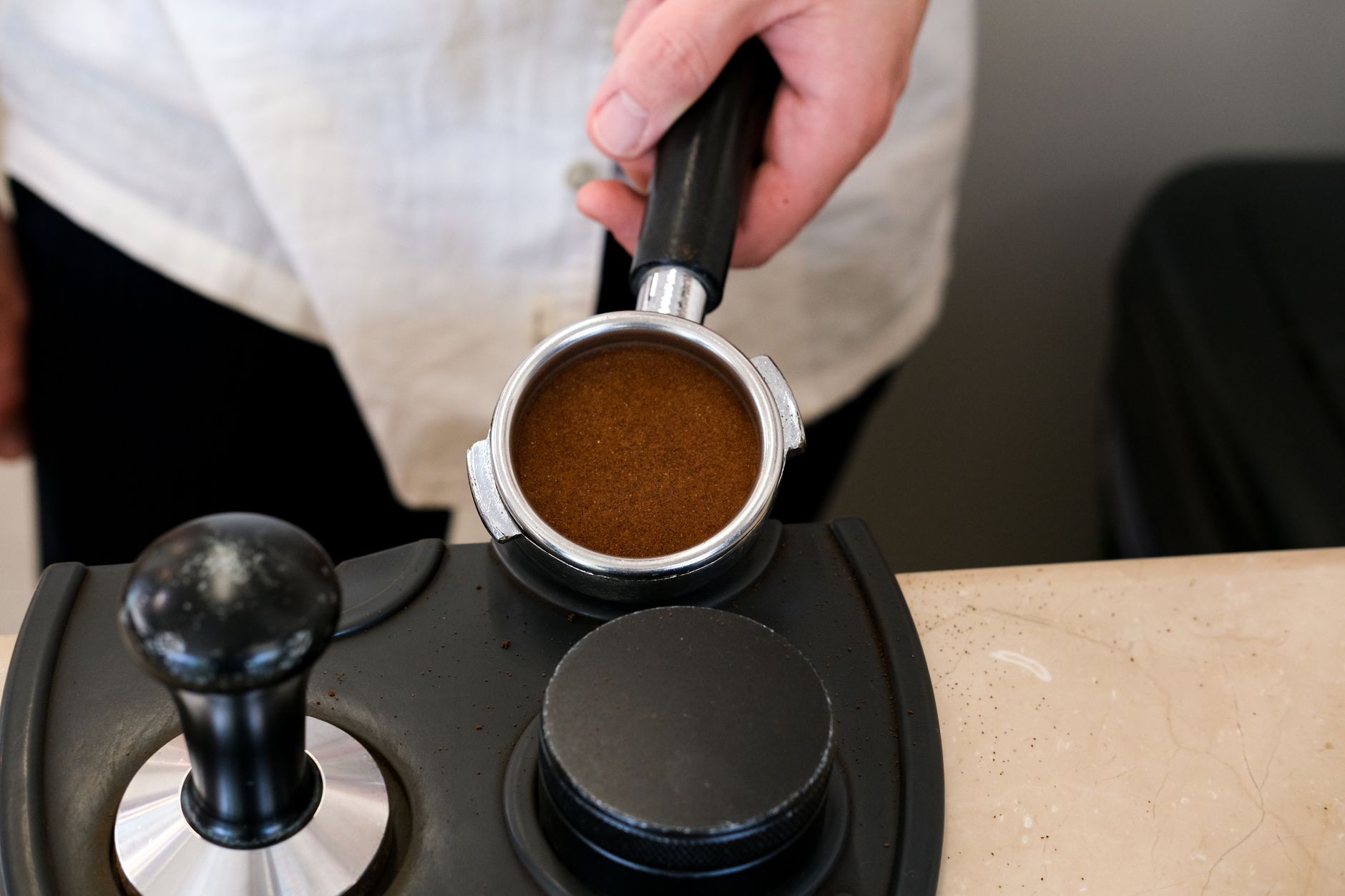 Photo: Esra Afşar via Pexels
Specs:
| Spec | Detail |
|---|---|
| Boiler type | Single thermocoil |
| Portafilter size | 54mm |
| PID | Yes |
| Pump type | Vibratory (15-bar rated, 9-bar extraction) |
| Burr size | 40mm conical stainless |
Who it’s for:
- Espresso purist: You’ll learn actual dialing-in technique. The non-pressurized basket rewards skill development.
- Milk drinker: Steam wand is manual — takes practice, but produces genuine microfoam within a few weeks.
- Convenience-first: The integrated grinder cuts steps. Not push-button simple, but the closest you get at this quality level.
De’Longhi Dedica EC685 — Best Budget Pick
Direct Answer: The Dedica punches above its price. At roughly 6cm wide, it fits any counter. The thermoblock heats in 35 seconds, and the pressurized portafilter makes pre-ground coffee taste respectable.
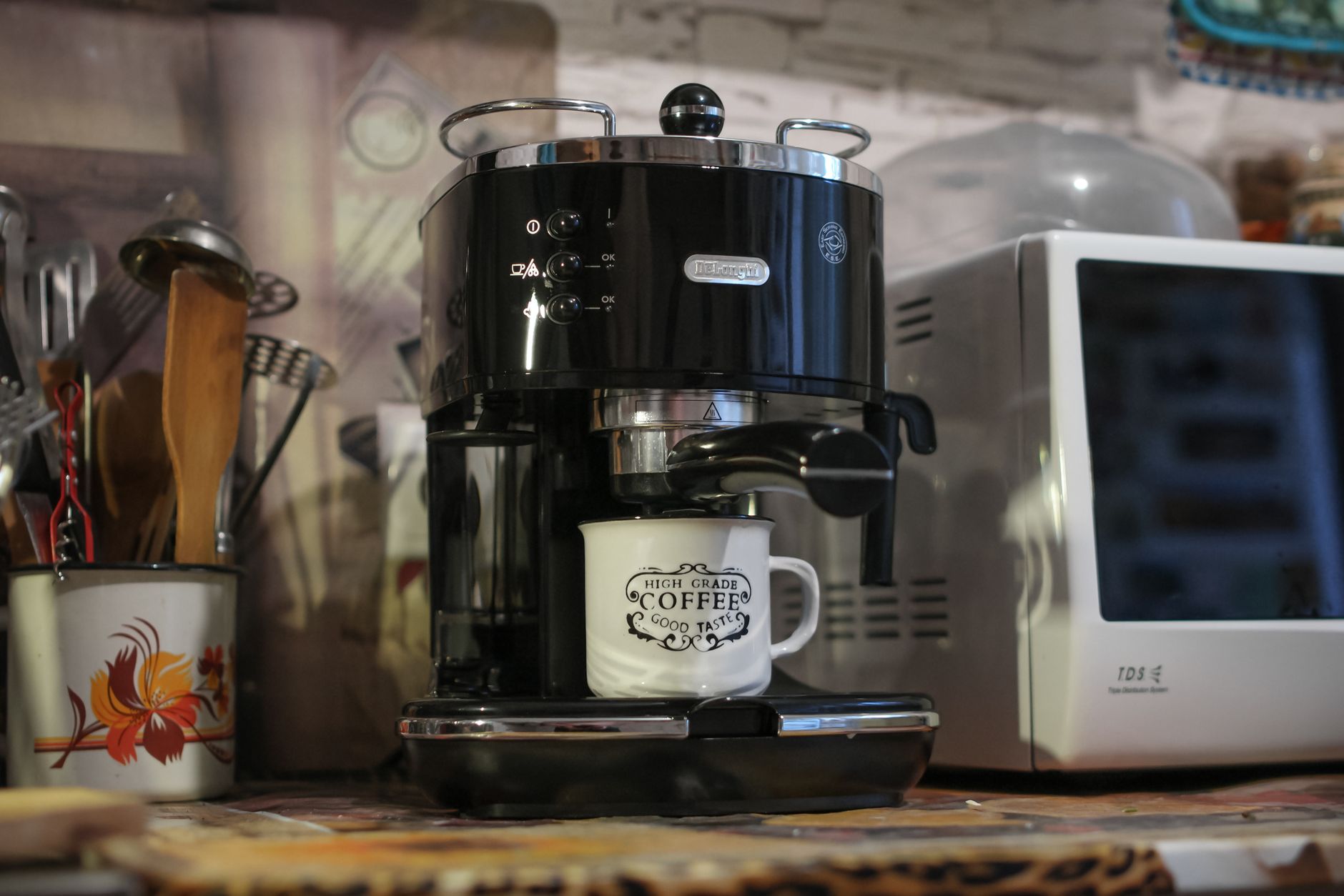 Photo: Kostiantyn Klymovets via Pexels
Specs:
| Spec | Detail |
|---|---|
| Boiler type | Single thermoblock |
| Portafilter size | 51mm |
| PID | No |
| Pump type | Vibratory |
| Burr size | N/A (no grinder) |
Who it’s for:
- Convenience-first: One-touch operation, fast heat-up, small footprint.
- Milk drinker: Panarello wand produces automatic froth — no technique required.
- Espresso purist: You’ll outgrow this faster than the Barista Express. Pair it with a good hand grinder to extend its ceiling.
Gaggia Classic Pro — Best for Skill Development
Direct Answer: The Gaggia Classic Pro
Specs:
| Spec | Detail |
|---|---|
| Boiler type | Single brass boiler |
| Portafilter size | 58mm |
| PID | No (retrofit-friendly) |
| Pump type | Vibratory |
| Burr size | N/A (no grinder) |
Who it’s for:
- Espresso purist: This is the correct entry into real espresso. Pair with a Baratza Encore or Eureka Mignon.
- Milk drinker: Steam wand requires milk texturing technique. Ceiling is much higher than the Dedica’s panarello.
- Convenience-first: Not your machine. It requires a separate grinder and some patience.
Comparison Table: All Three Picks
| Machine | Price | Boiler | Portafilter | PID | Pump | Best For |
|---|---|---|---|---|---|---|
| Breville Barista Express | ~$700 | Thermocoil | 54mm | Yes | Vibratory | All-in-one learners |
| De’Longhi Dedica EC685 | ~$150 | Thermoblock | 51mm | No | Vibratory | Budget / space-limited |
| Gaggia Classic Pro | ~$450 | Brass boiler | 58mm | No | Vibratory | Serious skill builders |
Nespresso Vertuo Pop — Best for Zero-Effort Espresso
Direct Answer: Nespresso machines aren’t true espresso by SCA standards, but they deliver consistent, crema-topped coffee at the press of a button. If espresso technique genuinely doesn’t interest you — you just want the drink — this is your answer.
The pod system eliminates grinders, tamping, and extraction variables entirely. The trade-off is flavor ceiling (you’re locked into Nespresso’s roast profiles), ongoing capsule cost (~$1 per shot), and no steaming capability on base models.
Beginner Espresso Machine vs Super-Automatic: Which Suits You?
Direct Answer: Buy a semi-automatic beginner machine (Barista Express, Gaggia Classic Pro) if you want to learn espresso and grow your skills. Buy a super-automatic (De’Longhi Magnifica, Philips LatteGo) if you want a café-quality drink at the press of a button and have no interest in the technique. Semi-autos cost less at equal shot quality and teach transferable skills; super-autos trade control for zero daily effort.
| Semi-Auto (Beginner) | Super-Automatic | |
|---|---|---|
| Effort per shot | Grind, dose, tamp, steam | One button |
| Learning curve | Real (rewarding) | None |
| Shot quality ceiling | High (skill-dependent) | Capped (internal pressurized basket) |
| Price for good results | ~$450–$700 | ~$600–$1,400 |
| Best for | People who want to learn | People who just want the drink |
If you’re genuinely unsure, start semi-auto — you can always simplify later, but a super-auto never teaches you what a good shot should taste like. See our full super-automatic guide if convenience wins.
Do Beginners Need a Separate Grinder?
Direct Answer: If your machine has a non-pressurized basket, yes — immediately. A blade grinder will produce undrinkable espresso from an otherwise capable machine. If your machine uses a pressurized basket (Dedica, entry-level De’Longhi), a decent pre-ground coffee gets you through the learning phase.
The grinder is the most consequential equipment decision in espresso. A $500 machine with a $200 grinder beats a $700 machine with a $50 grinder every time.
Recommended entry grinders:
| Grinder | Price | Type | Good For |
|---|---|---|---|
| Baratza Encore ESP | ~$200 | Electric burr | Barista Express upgraders, Gaggia Classic |
| 1Zpresso JX-Pro | ~$180 | Hand burr | Patient beginners, travel |
| Eureka Mignon Filtro | ~$300 | Electric burr | Serious starters |
→ See Also
- The Complete Guide to Espresso Machines (2026) — Full breakdown of every machine type, boiler design, and buying framework
- Best Espresso Machine Under $200 (2026) — If the Dedica is your ceiling, here’s everything worth considering below it
- Best Espresso Machine Under $500 (2026) — The Gaggia Classic Pro range and its competitors in full detail
FAQ
What features should a beginner espresso machine have? Pressurized portafilter (forgives grind inconsistency), single boiler (simpler to maintain), and clear feedback — either a pressure gauge or an indicator light that confirms the machine is at temperature. A built-in grinder is a bonus. PID temperature control is nice to have but not necessary at the beginner stage.
Is the Breville Bambino good for beginners? Yes — it’s one of the best beginner options available. The Bambino heats up in 3 seconds (vs 25–45 seconds for most machines), has an automatic steam wand that adjusts milk temperature without technique, and fits on a small counter. The tradeoff: it lacks a built-in grinder and uses a 54mm non-pressurized portafilter, so you’ll need a consistent burr grinder for best results. At ~$300, it’s the most capable entry-point machine before you hit the $700 Barista Express tier.
Do I need an expensive espresso machine as a beginner? No. The De’Longhi Dedica at $150 pulls drinkable espresso on day one. The argument for spending more is ceiling, not floor — a $700 machine gives you more room to grow, not necessarily better coffee on day one.
What’s the difference between a pressurized and non-pressurized portafilter? A pressurized portafilter has a single small hole that creates back-pressure, compensating for coarse or inconsistent grind. Non-pressurized requires a precise, consistent grind — harder to achieve without a quality burr grinder, but capable of significantly better results when you dial it in correctly.
Can I use pre-ground coffee in a beginner espresso machine? Yes, with a pressurized portafilter. Machines like the Dedica are designed for it. If your machine uses a non-pressurized basket (Gaggia Classic Pro, Barista Express with the included single-wall basket), pre-ground from a supermarket will produce weak, channeled extractions. Use espresso-specific pre-ground at minimum.
How long does it take to learn to pull good espresso? With a forgiving machine and fresh beans, expect decent shots within a week. Dialing in a new coffee on a non-pressurized setup — adjusting grind, dose, and tamp — takes 20–30 minutes once you understand the variables. The learning curve flattens fast.
Is a super-automatic espresso machine good for beginners? Convenient, not educational. Super-automatics like the De’Longhi Magnifica handle everything internally. You get consistent drinks but learn nothing about espresso. They’re worth considering if convenience is genuinely your priority, but they cost more than semi-automatics at equivalent quality and leave you dependent on the machine’s fixed parameters.
What beans should a beginner use? Start with a medium roast from a specialty roaster, ideally with a roast date within the last 3 weeks. Dark roasts mask extraction problems but produce bitter shots. Single-origin light roasts are rewarding but unforgiving. A well-sourced medium blend (Onyx, Counter Culture, Intelligentsia) gives you clear feedback without punishing every small mistake.
Editorial methodology: Assessments are based on manufacturer specifications, published user reviews, and editorial research. Physical hands-on testing is noted explicitly where it occurred. Rankings reflect our editorial judgment and are not influenced by affiliate commission rates. Full editorial policy · Affiliate disclosure