Contents
Why Is My Espresso Machine Leaking? (Fix It Fast)
TL;DR: An espresso machine leaking usually comes down to five culprits: a worn group head gasket, a cracked portafilter, a loose or damaged water tank seal, a faulty solenoid valve, or an overtightened/undertightened portafilter lock. Most fixes are DIY-friendly and cost under $20.
The Most Common Reason Your Espresso Machine Is Leaking
Direct Answer: The group head gasket is the single most common cause of espresso machine leaking. This rubber seal sits between the portafilter and the brew head; when it hardens, cracks, or deforms from heat cycling, water escapes around the portafilter collar during extraction — usually as a slow drip or a sudden stream down the front of the machine.
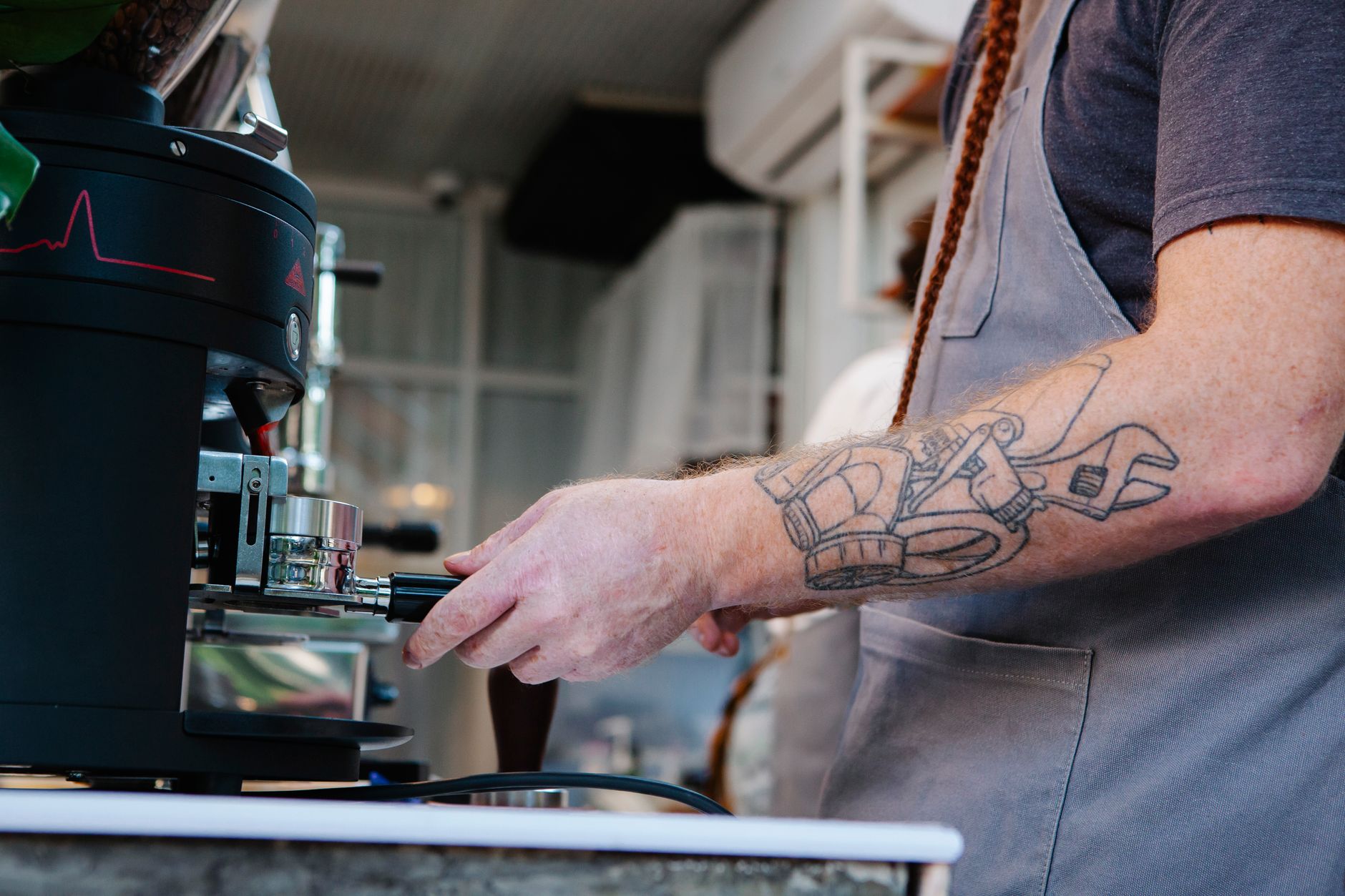
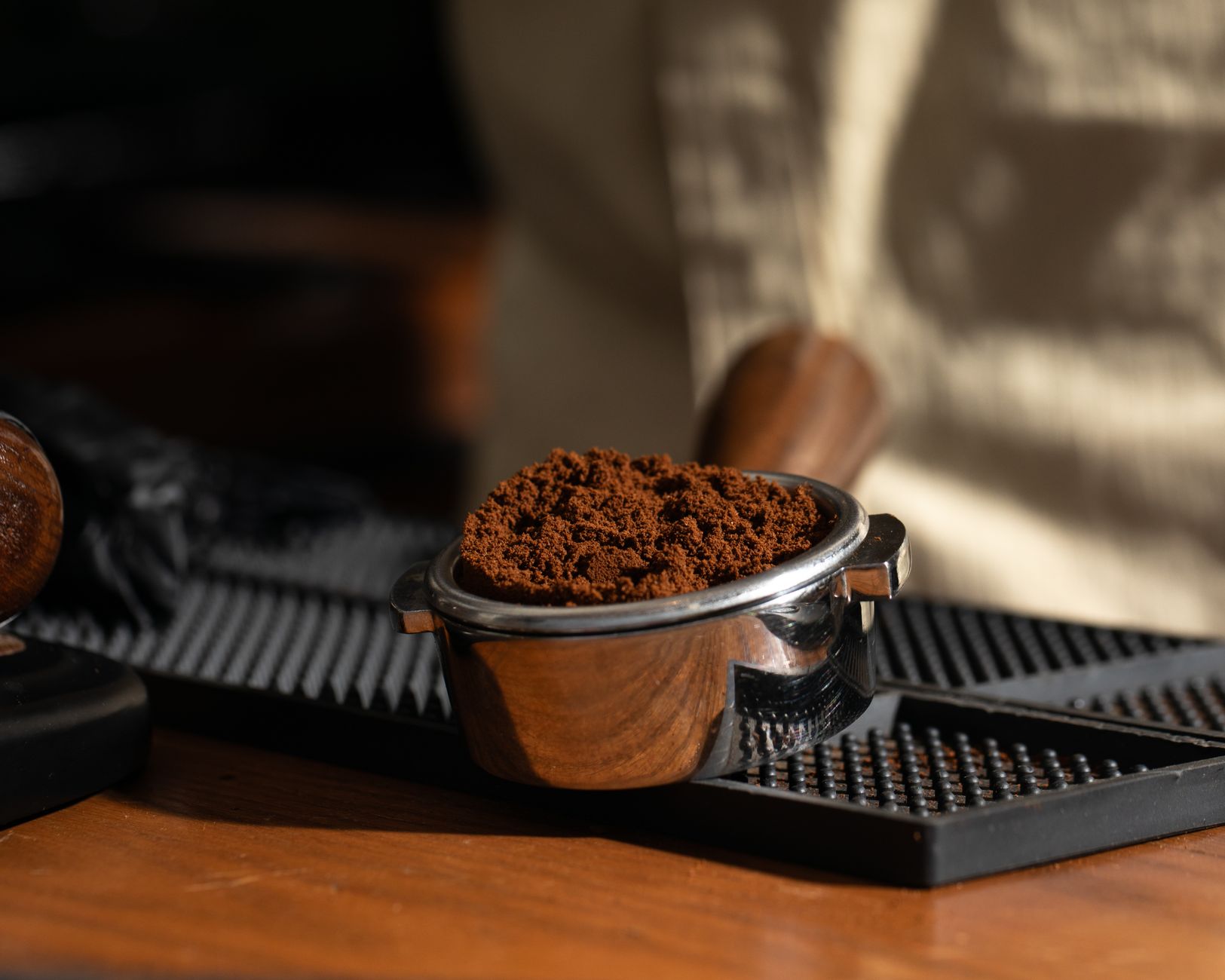 Photo: Badah Q via Pexels
Group head gaskets on home machines typically last 12–18 months under daily use. Signs it’s gone: coffee grounds spray outward when you lock the portafilter, water drips from the group head collar during the shot, or you need to twist the portafilter unusually far to get a seal.
Replacing a group head gasket costs $3–$8 and takes 15 minutes. You’ll need a flathead screwdriver or dedicated gasket pick, the correct gasket size for your machine (check the manufacturer’s model page), and optionally a shower screen while you’re in there.
How to Replace the Group Head Gasket
- Let the machine cool completely — 30+ minutes after last use.
- Remove the portafilter and shower screen (usually one center screw).
- Pry out the old gasket with a flathead screwdriver. Don’t gouge the group head seat.
- Press the new gasket firmly into the groove — it should sit flush with no gaps.
- Reinstall the shower screen, lock the portafilter, and run a blank shot to seat it.
Leaking From the Bottom of the Machine
Direct Answer: Water pooling under the machine points to either the drip tray overflow, a cracked water reservoir, a loose internal hose fitting, or a failed boiler seal. Of these, drip tray overflow is the most common and easiest fix; internal hose issues require opening the machine.
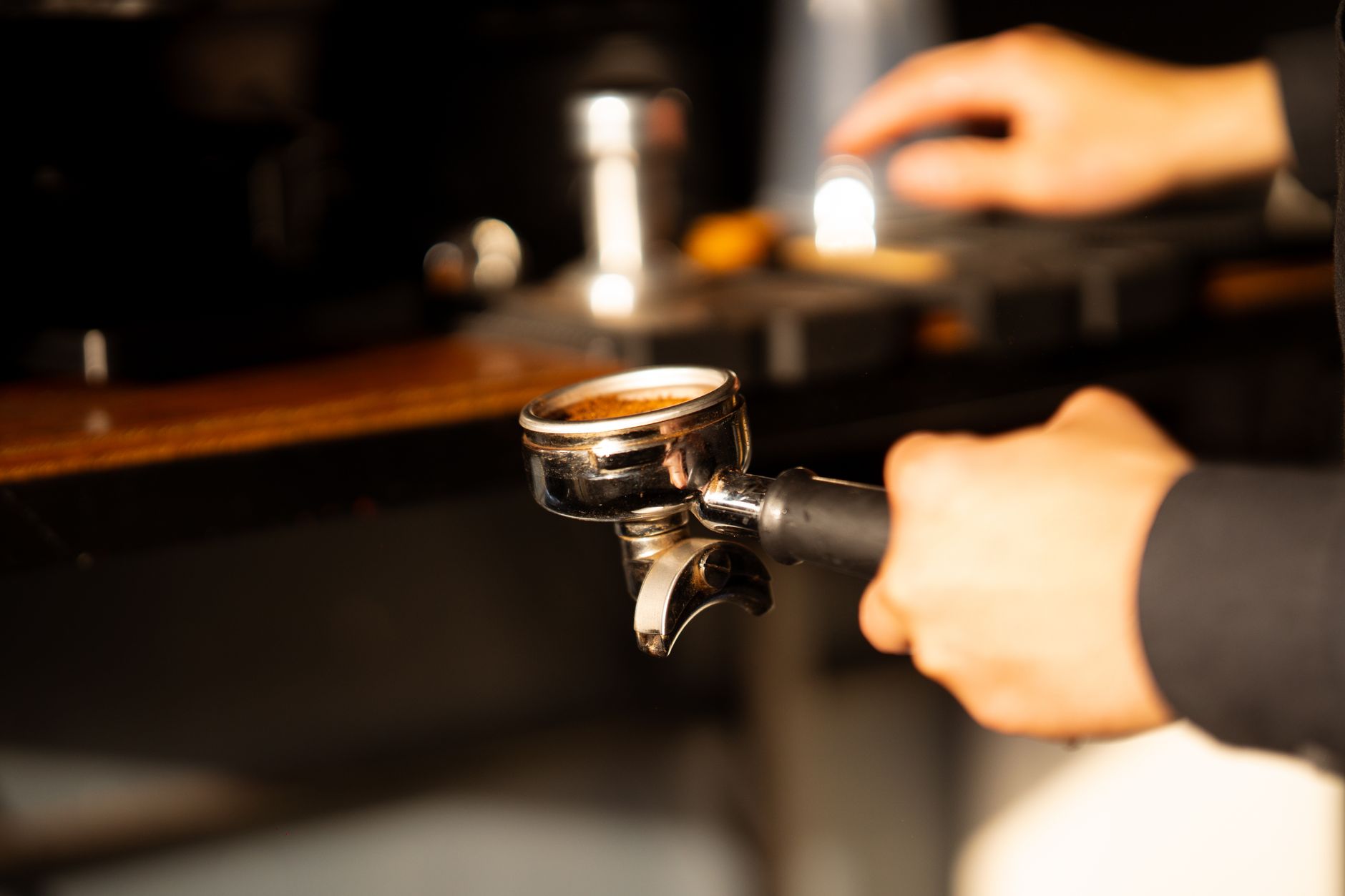
 Photo: Mizuno K via Pexels
Drip tray overflow is almost always the culprit if the leak only happens after multiple shots. The tray has a float indicator — when that pops up or the tray feels heavy, empty it. Machines like the Breville Barista Express
Cracked reservoir: Hairline cracks develop from temperature stress or dropping. Run water into the tank outside the machine and look for seepage. A cracked reservoir needs replacement — food-grade epoxy is a temporary fix at best.
Loose internal hoses: If the leak is constant and the tray isn’t overflowing, unplug the machine and remove the bottom panel (usually 4 screws). Look for moisture on hose connections to the pump or boiler. A loose barb fitting gets a new hose clamp; a split hose gets replaced.
Leaking Around the Portafilter
Direct Answer: If water escapes specifically around the portafilter — not from above it — you either have a worn gasket (see above), a warped or chipped portafilter basket, or you’re not locking the portafilter in far enough. Cold portafilters also cause brief leaks on the first shot of the day.
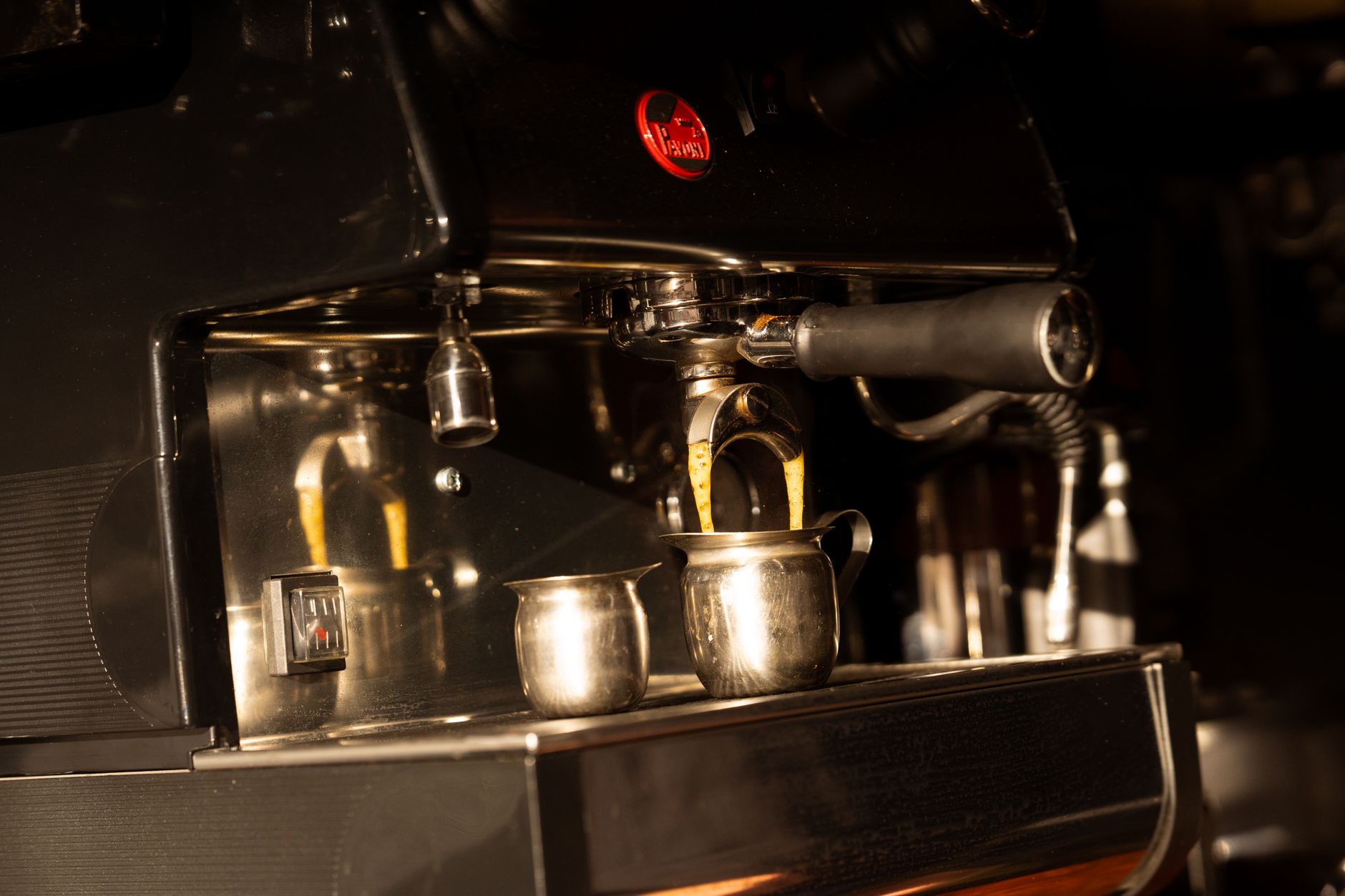
 Photo: Jakub Zerdzicki via Pexels
The portafilter lock position matters more than most users realize. Most machines require rotating to the 7–8 o’clock position (handle angled slightly right of center). Stopping too early leaves the gasket incompletely compressed.
| Symptom | Likely Cause | Fix |
|---|---|---|
| Drips from collar during shot | Worn group head gasket | Replace gasket ($3–8) |
| Spray outward from portafilter edge | Gasket misaligned or cracked | Replace gasket; inspect portafilter rim |
| Leak on first shot only | Cold portafilter shrinkage | Pre-warm portafilter with hot water |
| Constant drip regardless of lock position | Warped portafilter basket | Replace basket ($10–15) |
Leaking From the Steam Wand or Hot Water Spout
Direct Answer: A dripping steam wand almost always means a worn O-ring or a steam knob that isn’t closing fully. On machines with a traditional twist-valve, overtightening is the leading cause — it deforms the O-ring faster than light use does.
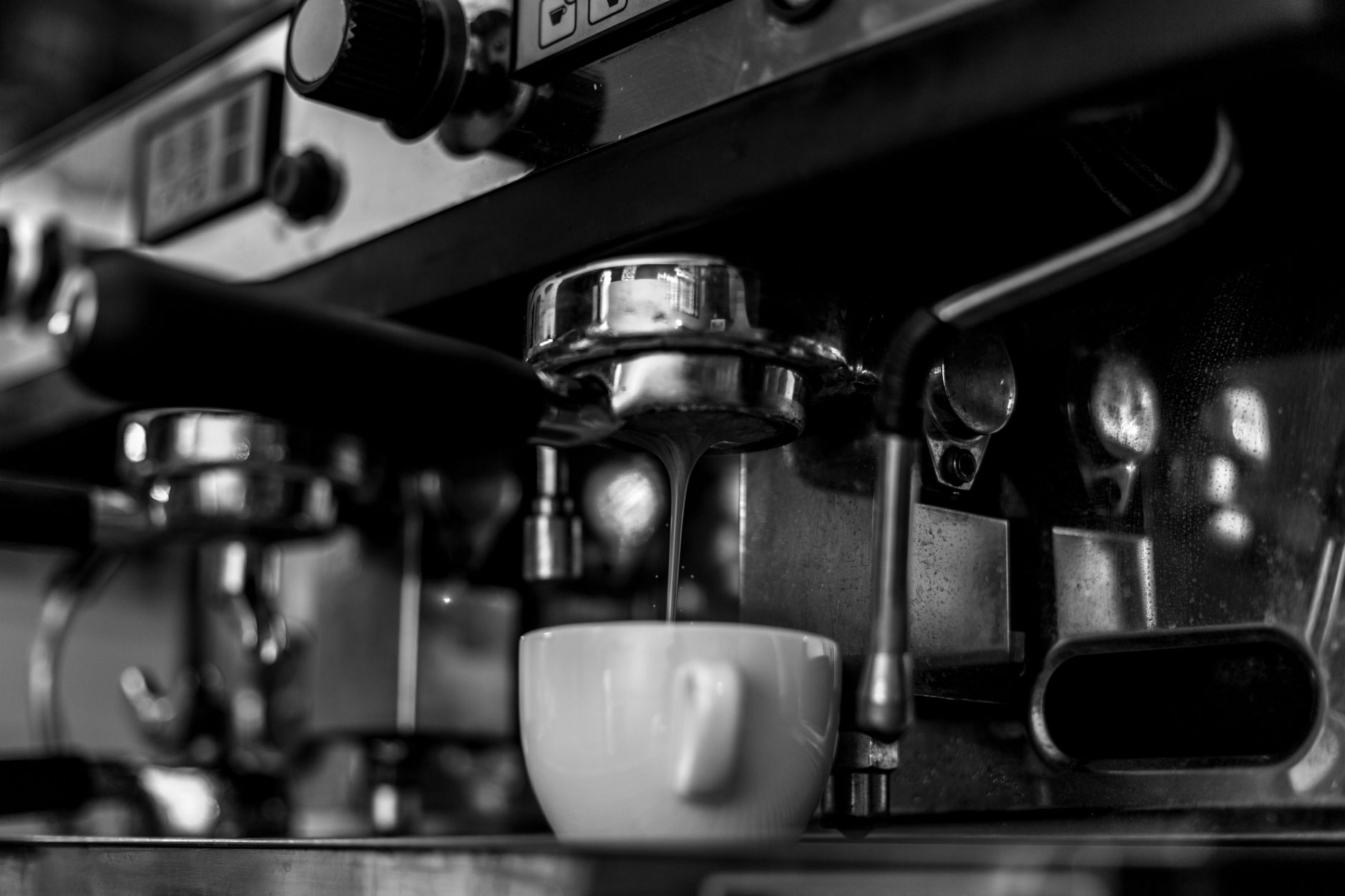
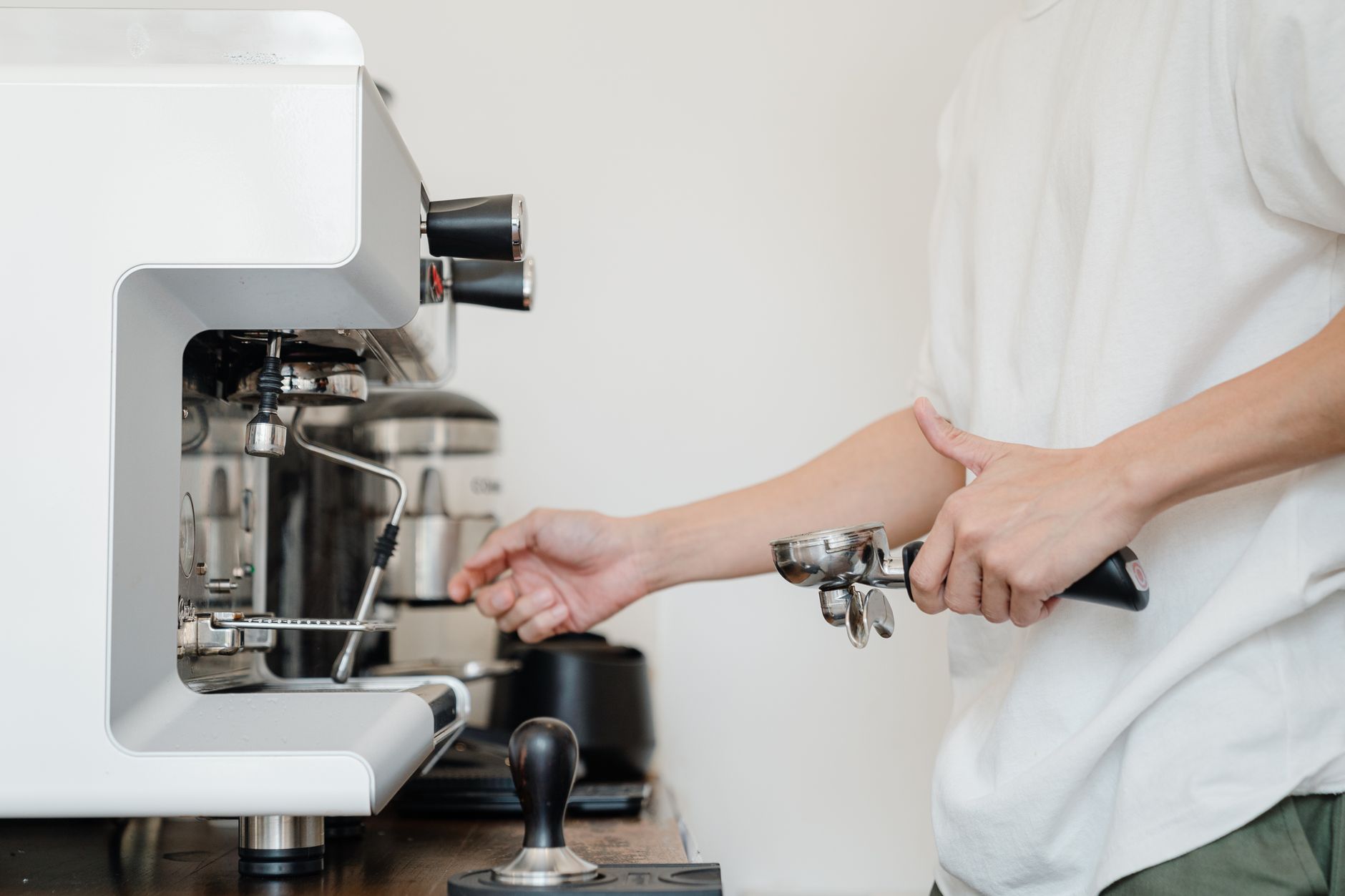 Photo: Ketut Subiyanto via Pexels
Turn the steam knob to fully closed and watch for 60 seconds. A slow drip that continues means the O-ring or valve seat is gone. O-ring kits for most home machines run $5–10 and include multiple sizes.
Prosumer machines (Breville Dual Boiler , Gaggia Classic Pro
When to Stop DIY and Call a Technician
If you see water near the boiler itself — the cylindrical or block-shaped vessel inside the machine — stop. Boiler seals and heating element gaskets involve high-pressure components and electrical connections. A failed boiler seal on a machine that’s still under pressure is a burn risk.
Call a technician when:
- The leak is from an unidentified internal source
- The machine makes a hissing or steam-escaping sound when idle
- You see mineral deposits (white scaling) around a suspected leak point — scaling can mask a crack or corroded fitting
→ See Also
- The Complete Guide to Espresso Machines (2026)
- Best Espresso Machine Under $200 (2026)
- Best Espresso Machine Under $500 (2026)
FAQ
Why is my espresso machine leaking from the top? Water from the top of the machine almost always traces to the group head — either the dispersion screen is clogged and forcing water sideways, or the gasket is gone. Remove the shower screen and check for buildup; backflush with a blind basket if your machine supports it, then inspect the gasket.
Can I use my espresso machine if it’s leaking a little? A minor portafilter drip is fine temporarily, but run it with the drip tray in place and fix the gasket within a week. Ignoring a bottom-of-machine leak is riskier — water near electrical components can cause shorts or corrosion damage.
How often should I replace the group head gasket? Every 12–18 months for daily use, or any time you notice resistance when locking the portafilter changing or grounds appearing outside the cup. It’s cheap insurance; replace it proactively rather than waiting for an active leak.
My machine leaks only under pressure during extraction — what’s wrong? This is the classic symptom of a failed group head gasket or a cracked portafilter basket. The seal holds at rest but fails once the pump pressurizes the group. Start with the gasket; if replacing it doesn’t solve it, inspect the basket for hairline cracks along the bottom or rim.
Editorial methodology: Assessments are based on manufacturer specifications, published user reviews, and editorial research. Physical hands-on testing is noted explicitly where it occurred. Rankings reflect our editorial judgment and are not influenced by affiliate commission rates. Full editorial policy · Affiliate disclosure