Contents
Espresso Machine Not Pumping Water: Causes & Fixes
TL;DR: An espresso machine not pumping water is almost always caused by a clog, airlock, empty reservoir, or failed pump. The fix is usually descaling, bleeding the airlock, or replacing the solenoid. Most issues resolve in under 30 minutes without a technician.
Why Your Espresso Machine Won’t Pump Water
An espresso machine stops pumping water when something blocks, starves, or breaks the pump circuit. The five most common culprits: empty or misseated reservoir, airlock in the pump, scale buildup clogging internal lines, a faulty solenoid valve, or a dead vibratory pump.
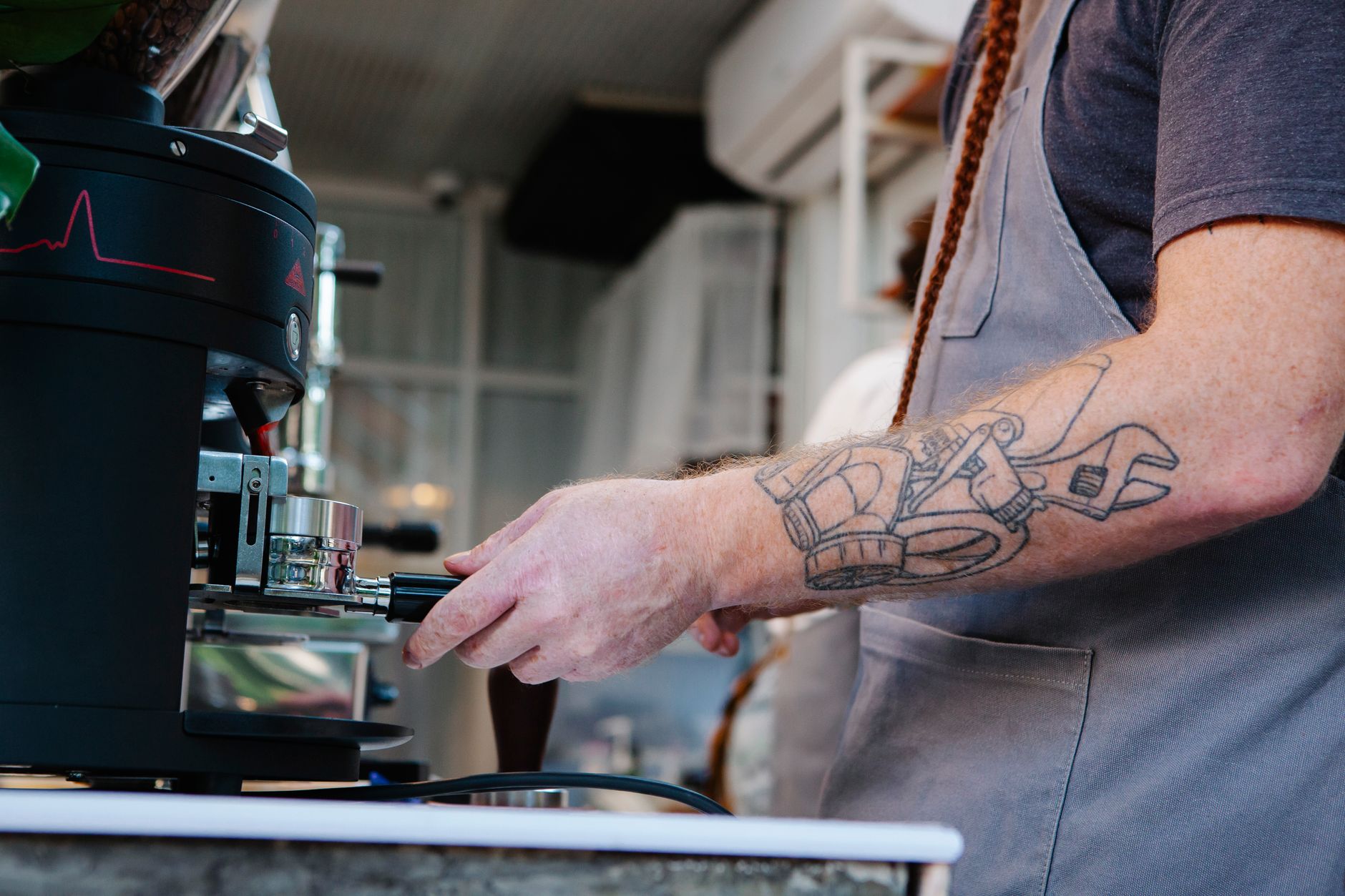
 Photo: Yetkin Ağaç via Pexels
Before dismantling anything, run this 60-second triage:
- Reservoir seated properly? Remove it, reseat it firmly, and check the silicone seal.
- Valve pin free? The float valve at the bottom of most reservoirs can stick — press it manually a few times.
- Any sound from the pump? Humming = pump runs but can’t move water (clog or airlock). Silence = electrical or mechanical failure.
Airlock: The Most Common Culprit
An airlock traps air in the pump housing so water can’t prime. It typically happens after running the machine dry, after descaling, or when the machine sits unused for weeks. The fix takes two minutes.
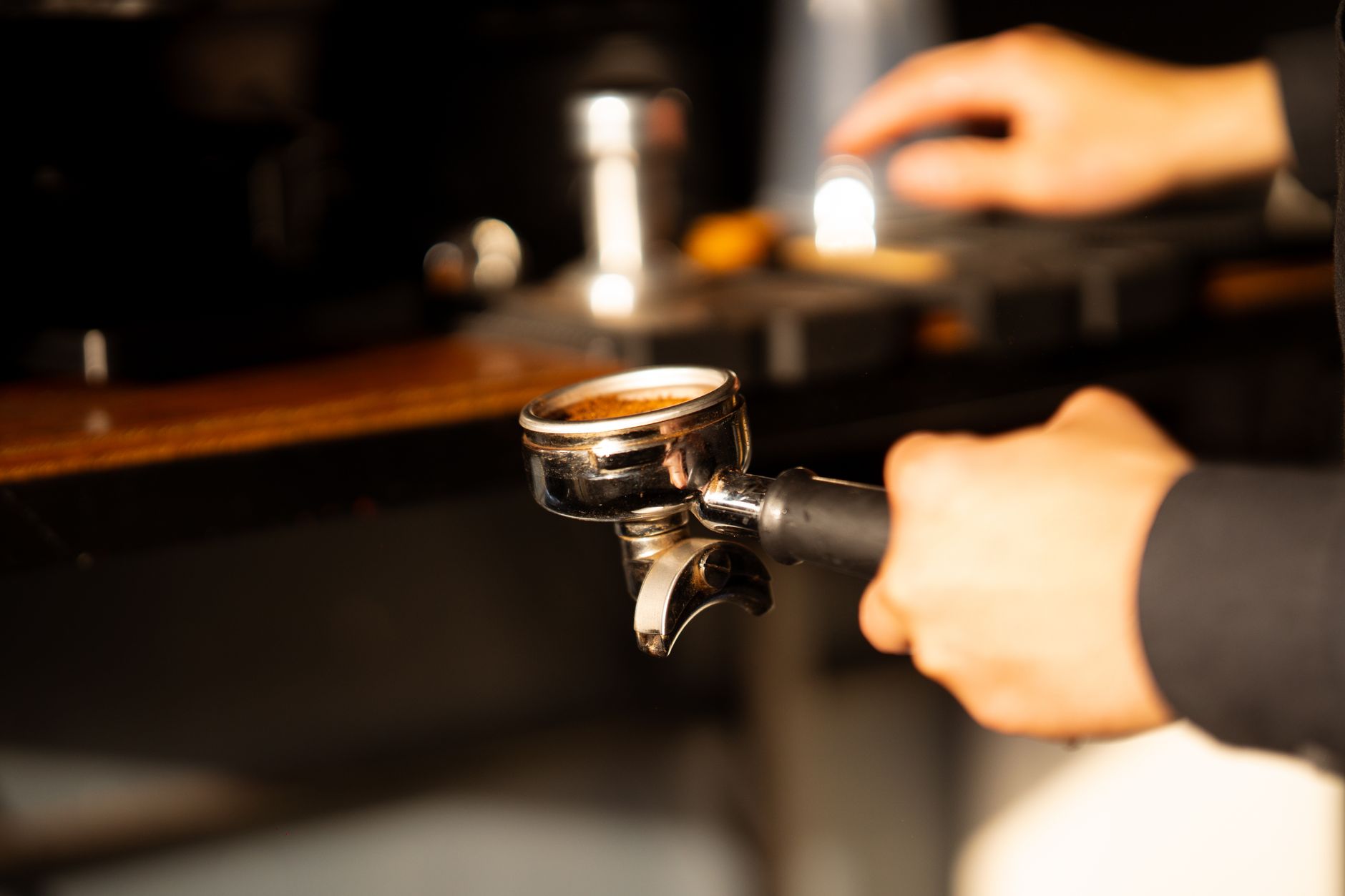
 Photo: aidin gheshlaghi via Pexels
How to Bleed an Airlock
Single-boiler machines (e.g. Gaggia Classic Pro):
- Fill the reservoir to max.
- Remove the portafilter. Point the steam wand into a cup.
- Open the steam valve and run the pump — water from the reservoir bypasses the boiler path and purges the trapped air.
- Run the pump for 10–15 seconds. Repeat if needed.
Dual-boiler/thermoblock machines:
Some machines (DeLonghi La Specialista series) have a priming mode. Check the manual. If not, the steam wand purge method above still works for most.
Tip: After descaling, always run three full reservoirs of clean water through both the brew and steam circuits before declaring success. Descaling solution residue can create foamy airlock symptoms.
Scale Buildup Clogging the Lines
Hard water deposits narrow internal tubing to the point where the pump can no longer build pressure. If you’ve gone 3–6 months without descaling — or you’re in a hard water area — this is your most likely culprit after airlock.
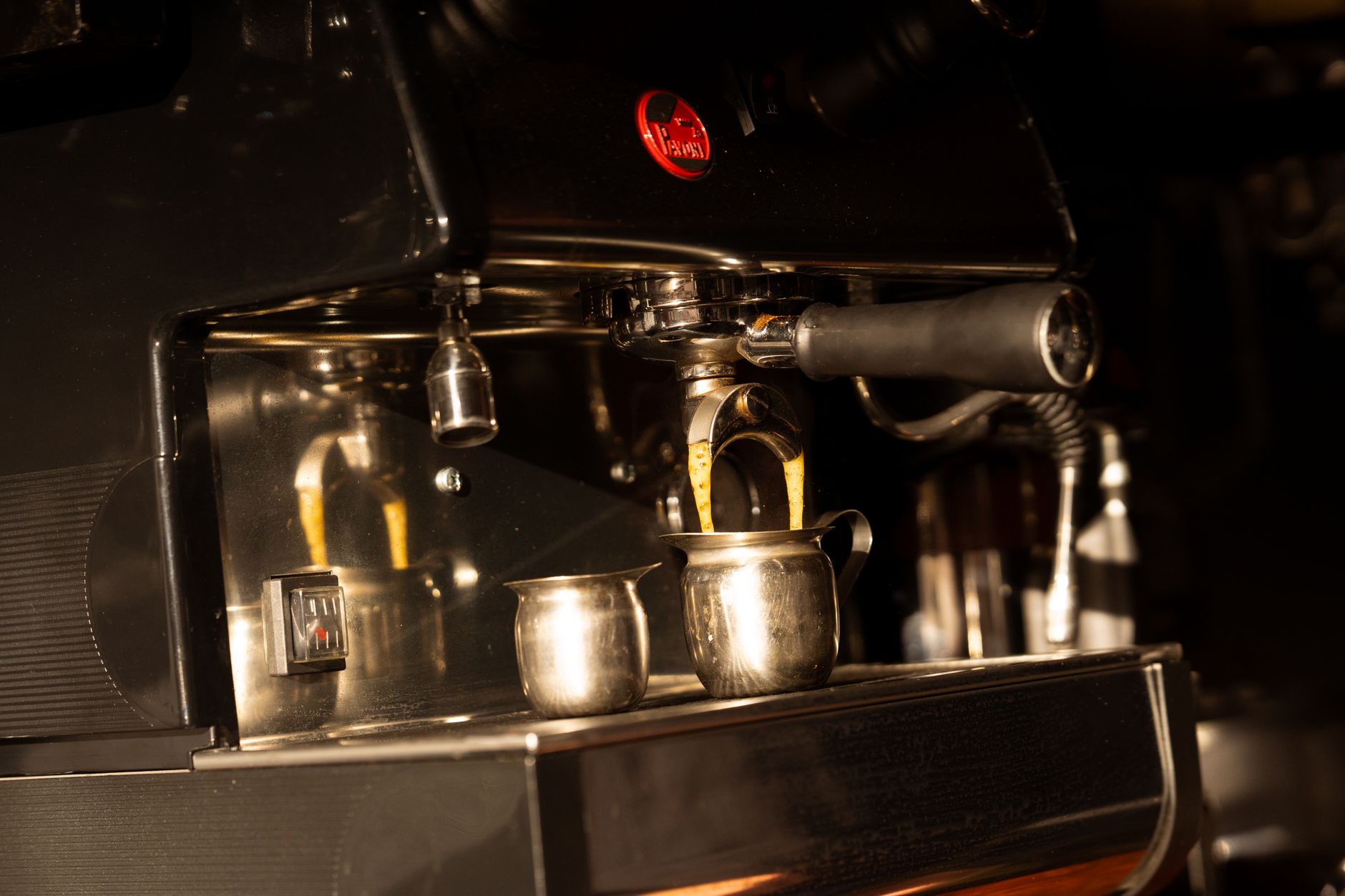
 Photo: 🇻🇳🇻🇳 Việt Anh Nguyễn 🇻🇳🇻🇳 via Pexels
| Water Hardness | Descaling Frequency |
|---|---|
| Soft (< 60 ppm) | Every 6 months |
| Medium (60–120 ppm) | Every 3 months |
| Hard (> 120 ppm) | Every 6–8 weeks |
Use a proper espresso descaler — citric acid solutions work but are slower. Avoid vinegar; it leaves residue that affects taste and can degrade rubber seals.
Descaling procedure (generic):
- Mix descaler per instructions. Fill reservoir.
- Run half the solution through the brew head, pause 15 min.
- Run remaining solution through steam wand.
- Flush with two full reservoirs of clean water.
If the machine still won’t pump after descaling, the lines may need mechanical cleaning — a job for a service technician if you’re not comfortable with disassembly.
Clogged Shower Screen or Group Head
A blocked shower screen restricts flow severely enough to mimic a pump failure. Coffee oils and grounds compact behind the screen and reduce effective flow to near zero.
Backflush weekly if your machine supports it (most solenoid-valve machines do). Otherwise, remove and soak the shower screen in espresso cleaner (Cafiza or equivalent) for 20 minutes. Use a stiff brush on the group head gasket area.
Failed Solenoid or Pump
If bleeding, descaling, and cleaning don’t restore flow, you’re looking at a hardware failure.
| Component | Symptom | Avg Repair Cost |
|---|---|---|
| Solenoid valve | Machine hums, brew button engaged, zero water | $15–40 part + 1hr labor |
| Vibratory pump | No sound, or grinding/buzzing with no flow | $20–60 part + 1hr labor |
| Pressure stat | Machine overheats or won’t reach pressure | $15–30 part |
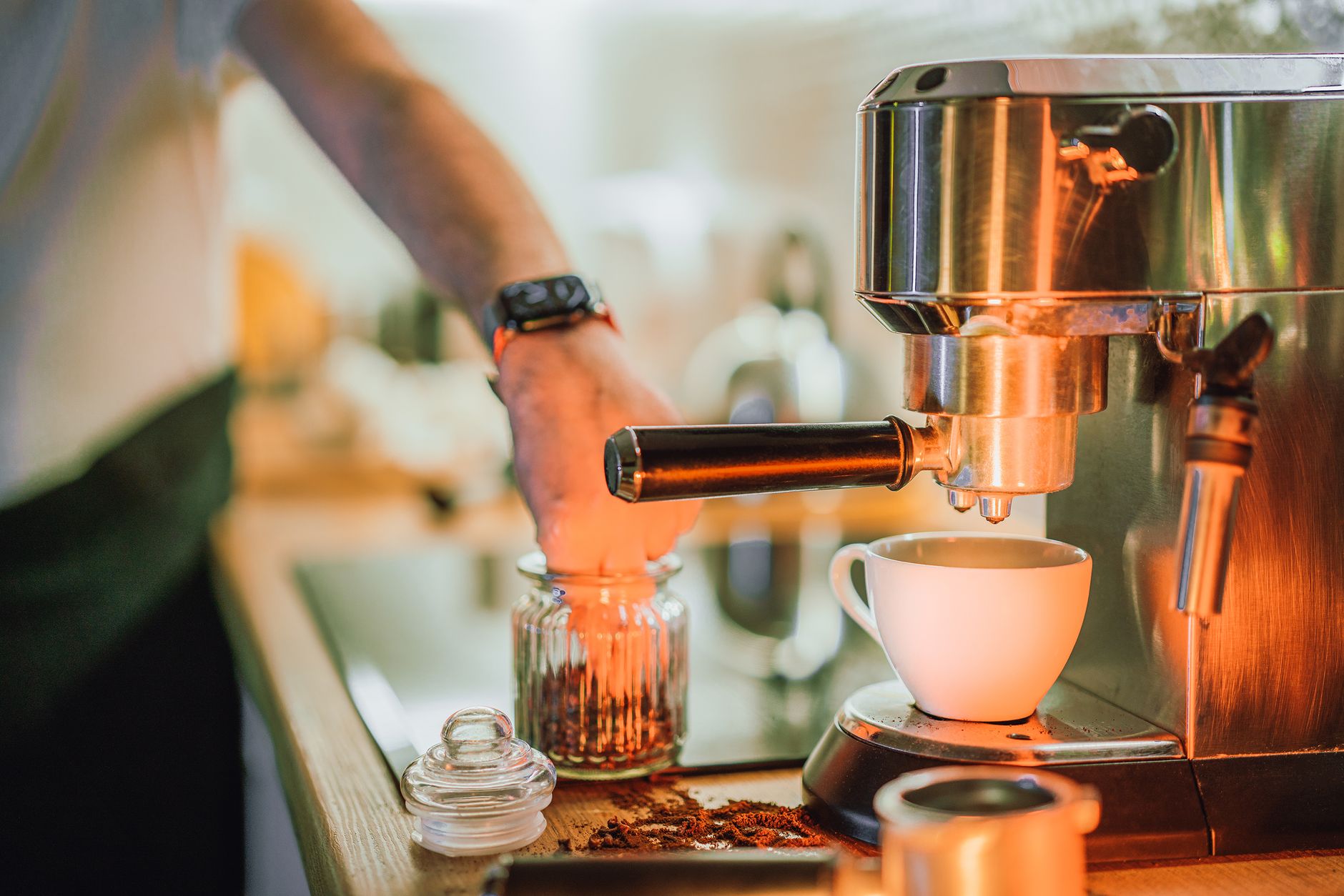
 Photo: Ketut Subiyanto via Pexels
Diagnosis test: Disconnect the outlet tube from the pump and run it into a cup. If water flows freely, the pump works — the blockage is downstream (solenoid, group head, lines). If nothing comes out, the pump itself has failed.
Both vibratory pumps (common in home machines) and the ULKA-type pumps are commodity parts available for under $60. Replacement is a standard repair that most home baristas can handle with a screwdriver and a YouTube video specific to their model.
Quick Diagnostic Checklist
| Check | What to Do |
|---|---|
| Reservoir empty or misseated | Reseat, check float valve |
| No sound from pump | Check power, fuse, thermal cutout |
| Pump hums, no water | Bleed airlock (steam wand method) |
| Weak/slow flow | Descale or clean shower screen |
| Error light on | Check manual for error code meaning |
| Post-descale failure | Flush more water, check for residue |
→ See Also
- The Complete Guide to Espresso Machines (2026)
- Best Espresso Machine Under $200 (2026)
- Best Espresso Machine Under $500 (2026)
FAQ
Why is my espresso machine making noise but not pumping water? Noise with no flow almost always means an airlock or downstream blockage — the pump is running but can’t move water past the obstruction. Try the steam wand bleed method first. If that fails, check for scale buildup in the lines.
How do I fix an airlock in my espresso machine? Open the steam valve with the pump running to give water a secondary path through the system. This purges trapped air from the pump housing within 10–15 seconds. You may need to repeat it two or three times if the machine has been sitting dry for a long time.
Can I use my espresso machine if it’s not pumping water? No — running a vibratory pump dry burns out the motor in minutes. If you hear it running without water moving, shut it off immediately and diagnose before continuing.
How often should I descale to prevent pump problems? Every 2–3 months in average water hardness areas. If you’re on hard tap water (above 120 ppm), every 6–8 weeks. A TDS pen is a $10 investment that tells you exactly how aggressive your scaling schedule needs to be.
When should I call a technician instead of fixing it myself? If the machine still won’t pump after you’ve bled the airlock, descaled, and cleaned the group head, the solenoid or pump has likely failed. Replacement is DIY-friendly on most home machines, but if your machine is under warranty, contact the manufacturer before opening it up.
Editorial methodology: Assessments are based on manufacturer specifications, published user reviews, and editorial research. Physical hands-on testing is noted explicitly where it occurred. Rankings reflect our editorial judgment and are not influenced by affiliate commission rates. Full editorial policy · Affiliate disclosure