Contents
How to Calibrate Your Coffee Grinder for Espresso
TL;DR: To calibrate your coffee grinder for espresso, pull a shot and judge the flow: 18–20g in, 36–40g out, 25–30 seconds. If it runs fast, grind finer; slow, grind coarser. Repeat until your shot hits the target. Most grinders need recalibration whenever you switch beans or after deep cleaning.
What Does “Calibrate” Actually Mean?
Grinder calibration for espresso means aligning your grind size to the resistance your coffee bed creates, so water passes through at the right rate to extract a balanced shot. You’re not setting a number — you’re dialing to your specific beans, dose, and machine. The number on your grinder is a reference point, not a recipe.
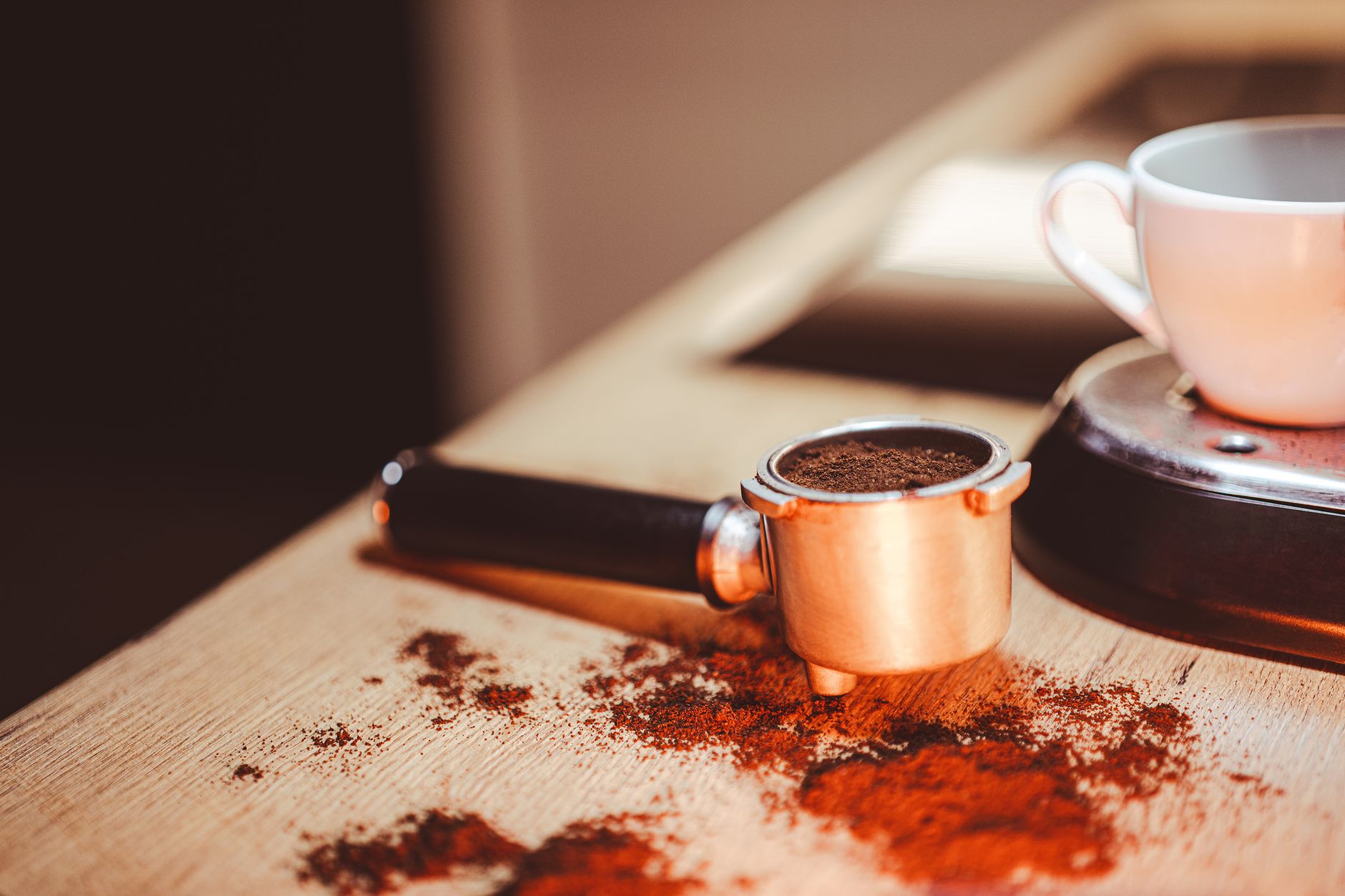 Photo: Jakub Zerdzicki via Pexels
Every bag of beans is different. Roast level, density, moisture content, and age all change how fine you need to grind. A setting that worked last week may choke or flood today’s fresh roast. Calibration is not a one-time task — it’s a recurring process that takes 3–5 shots to nail after any change.
The two variables you control: grind size (how coarse or fine the particles are) and dose (how many grams of coffee you use). Calibration primarily means adjusting grind size. Dose is a secondary lever.
The Equipment You Need Before You Start
You need a scale accurate to 0.1g, a timer, and a consistent dose. Without these three, you’re guessing. A portafilter spout or bottomless portafilter helps diagnose channeling. Everything else — distribution tools, WDT needles — is optional until you’re consistent.
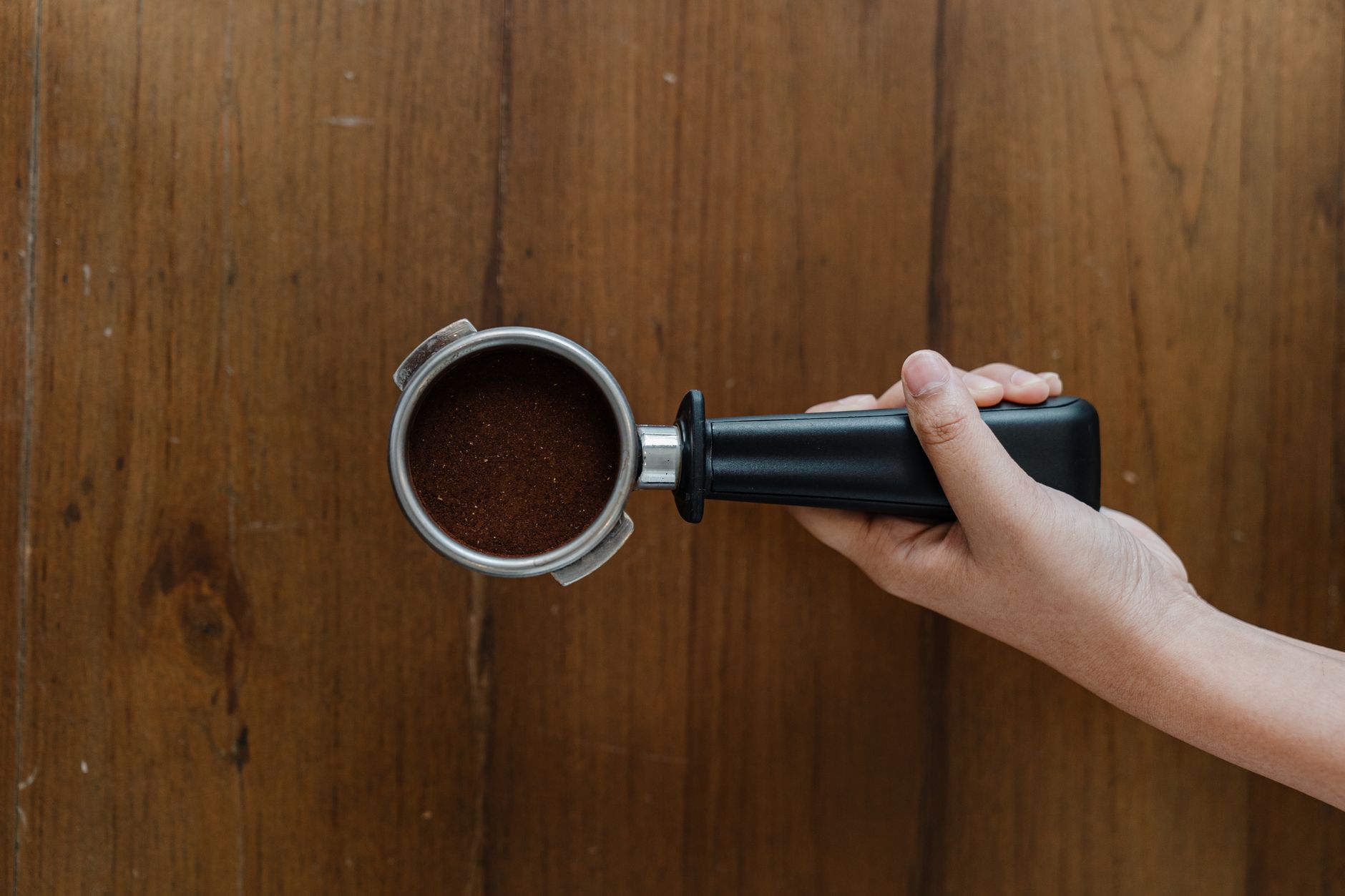 Photo: Ketut Subiyanto via Pexels
Minimum kit:
- Espresso machine capable of 9 bar (stable pressure matters)
- Burr grinder — blade grinders cannot be calibrated for espresso
- Scale: 0.1g resolution (a jewelry scale works fine)
- Timer (your phone is fine)
- Notebook or phone notes — track every adjustment
If you’re shopping for a grinder that makes calibration easier, see Best Coffee Grinders Under $100 (2026) and the The Complete Coffee Grinder Guide (2026) for a full breakdown of what to look for.
Step-by-Step: How to Calibrate Your Coffee Grinder for Espresso
Step 1 — Set Your Starting Point
Set your grinder to the manufacturer’s recommended espresso range. For most burr grinders this is somewhere in the fine-to-medium-fine zone — typically between 1 and 4 on a 1–10 scale. If you have no reference point, start at the finest setting and back off two clicks.
Grind 20–25g of coffee and discard it. This purges old grounds from the burr chamber and prevents stale particles from muddying your first shot.
Step 2 — Pull a Diagnostic Shot
Use a consistent dose — 18g is a common starting point for a double. Distribute evenly, tamp level at roughly 30 lbs of pressure, and lock in. Start your timer when you hit the pump.
Record three numbers:
- In — dose weight (g)
- Out — yield in the cup (g)
- Time — total shot time (seconds)
A well-calibrated espresso typically runs: 18g in → 36g out in 25–30 seconds (1:2 ratio). This is your target window, not a law — some recipes run longer, some shorter — but it’s the right place to start.
Step 3 — Read the Shot and Adjust
| What you see | What it means | Fix |
|---|---|---|
| Shot runs in under 20 seconds | Grind too coarse — water passes too fast | Grind finer (1–2 clicks) |
| Shot runs over 35 seconds or chokes | Grind too fine — too much resistance | Grind coarser (1–2 clicks) |
| Shot runs fast AND tastes sour/thin | Under-extracted — coarser but increase dose slightly | Finer grind or add 0.5–1g |
| Shot runs slow AND tastes bitter/dry | Over-extracted — channeling or too fine | Coarser + check distribution |
| Uneven stream or spurting | Channeling — distribution issue, not grind | Fix tamp/distribution first |
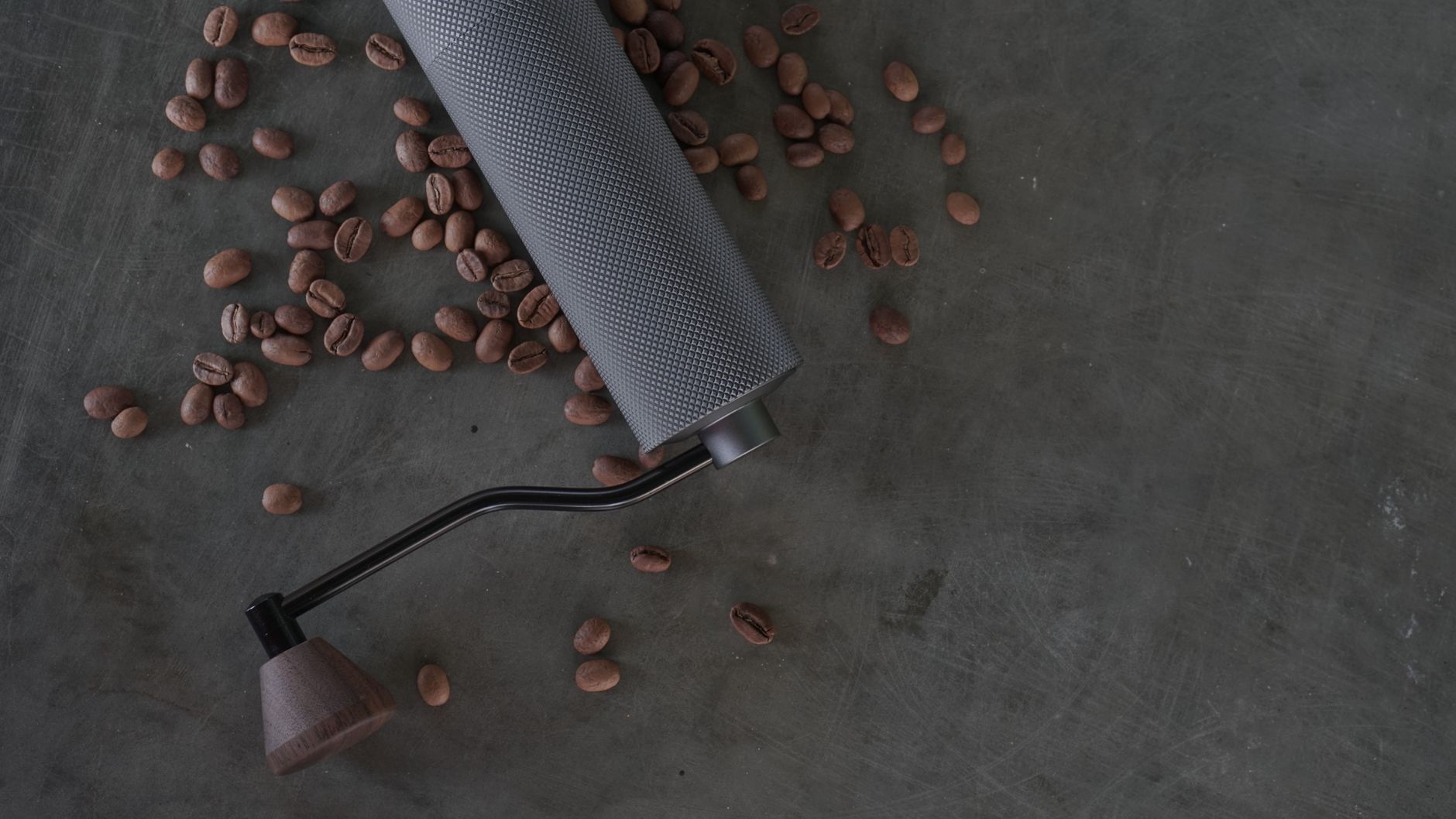 Photo: More Amore via Pexels
Make one adjustment at a time. Changing both grind and dose simultaneously means you can’t know which variable fixed (or broke) the shot.
Step 4 — Iterate Until Dialed
After each adjustment, pull another shot with the same dose and technique. Three consecutive shots hitting your target window — with taste confirming balance (not sour, not bitter, some sweetness) — means you’re calibrated.
Taste is the final arbiter. If your shot hits 27 seconds but still tastes flat, grind slightly finer. If it tastes harsh at 30 seconds, try coarser. Numbers confirm you’re in the right zone; your palate confirms you’re done.
How Often to Recalibrate
Recalibrate every time you open a new bag of beans, switch roasters, or pull the grinder apart for cleaning. Same beans? Check after 2–3 weeks as a bag degasses and ages — fresh roasts need coarser, older beans need finer.
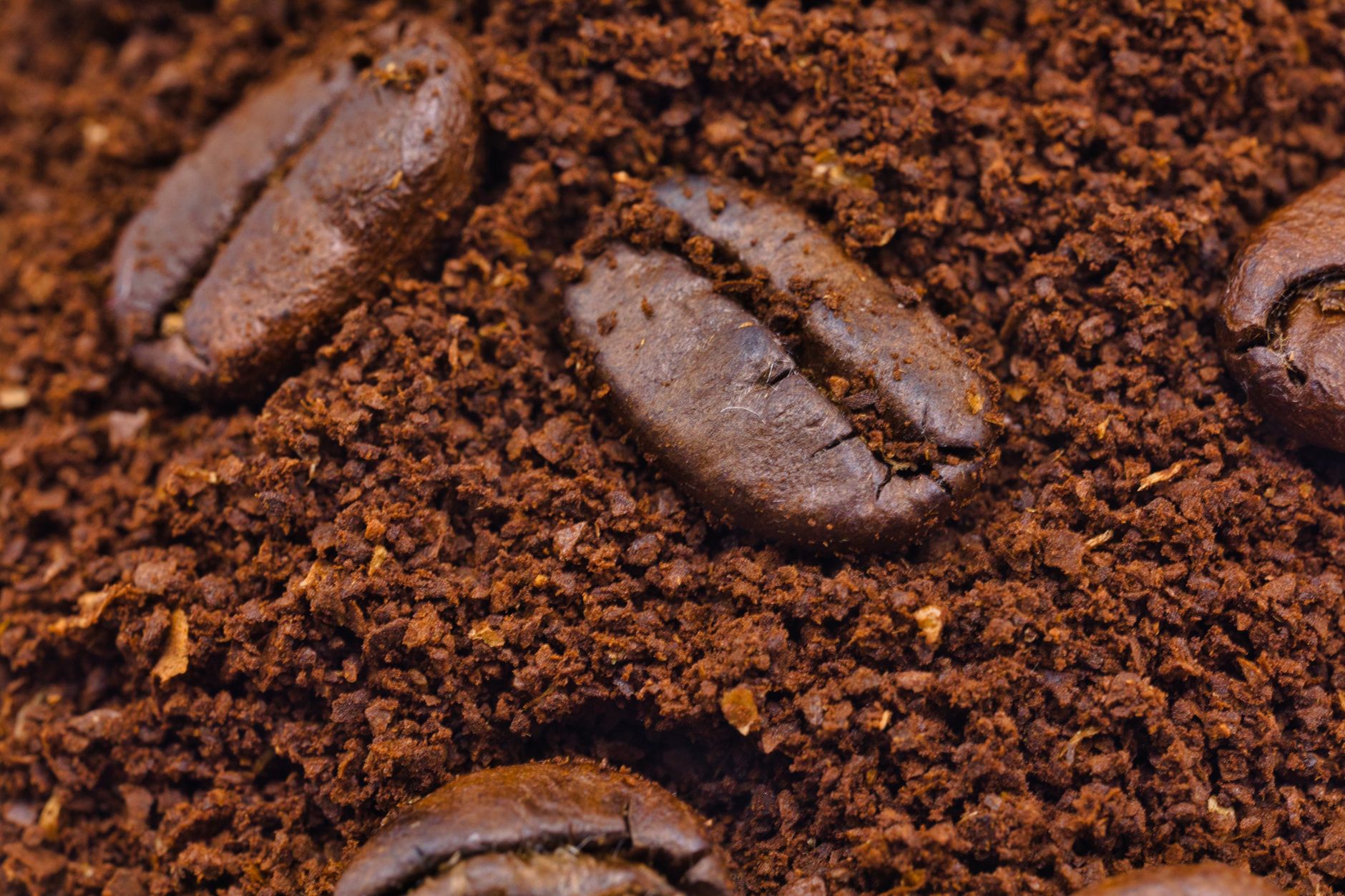 Photo: Tony Wu via Pexels
Triggers that require recalibration:
- New bag (even the same origin, different roast date)
- Changed espresso machine or basket size
- Deep cleaned your grinder (burrs seat slightly differently after reassembly)
- Significant temperature or humidity change in your kitchen
- Switched from single to double basket or vice versa
Calibrating Specific Grinder Types
Single-Dose Grinders (e.g., Niche Zero, DF64)
These grinders have stepped or stepless adjustments with no retention. Stepless rings give you infinite fine-tuning — move the collar in tiny increments and pull immediately. Mark your calibrated setting with tape.
Hopper Grinders (e.g., Baratza Encore, Virtuoso+)
The Baratza Encore
See Burr vs Blade Grinder: Why It Matters for Your Coffee for why flat and conical burrs behave differently during calibration.
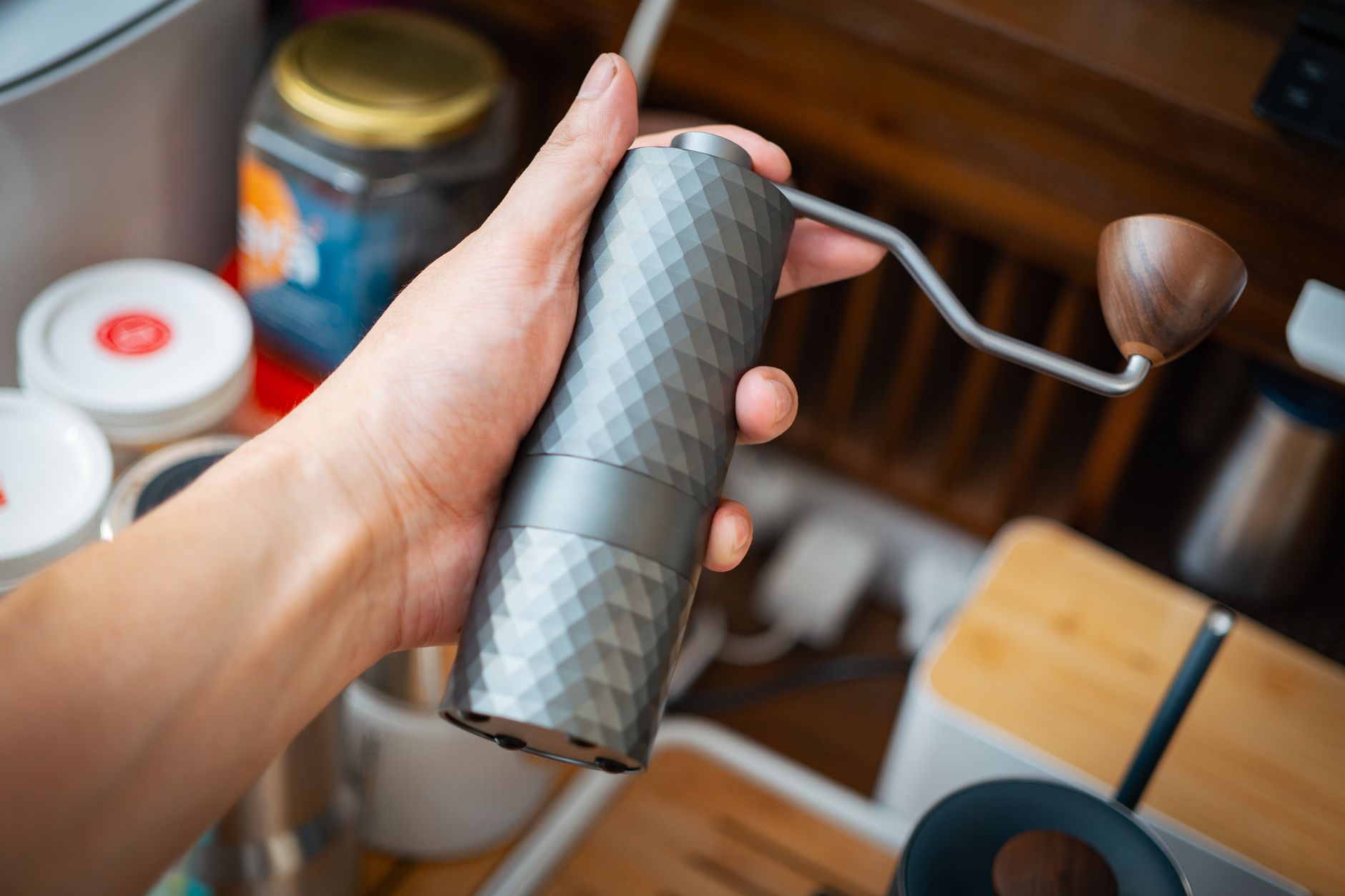
Hand Grinders (e.g., 1Zpresso, Comandante)
Hand grinders are stepless or have very fine steps — often finer than electric burr grinders at this price. Small adjustments make large taste differences. Start coarser than you think you need and work inward.
Grinder Calibration Quick-Reference
| Symptom | Diagnosis | Adjustment |
|---|---|---|
| Fast shot, sour taste | Under-extracted | Finer |
| Slow shot, bitter taste | Over-extracted | Coarser |
| Correct time, sour taste | Low dose | Add 0.5–1g |
| Correct time, bitter taste | High dose | Remove 0.5–1g |
| Correct time, bland taste | Stale beans | New beans |
| Puck sticking to shower screen | Too fine + wet dose | Slightly coarser |
→ See also:
- The Complete Coffee Grinder Guide (2026)
- Burr vs Blade Grinder: Why It Matters for Your Coffee
- Best Coffee Grinders Under $100 (2026)
FAQ
How long does it take to calibrate a coffee grinder for espresso? Plan for 5–8 shots when starting fresh with new beans. Once you understand your grinder’s range and a particular coffee’s behavior, you can usually dial in within 2–3 shots. The process gets faster as you build intuition for how your specific grinder responds.
Why does my espresso taste different even though I didn’t change anything? Beans change as they age. A bag that was fresh and gassy two weeks ago has now degassed and dried slightly — the same grind setting will now produce a faster shot. Grind finer as a bag ages, and expect to reset when you open a new bag.
Should I calibrate by time or by taste? Both — time first, taste to confirm. Time tells you if extraction is in a reasonable range; taste tells you if it’s actually good. You can have a 27-second shot that still tastes unbalanced because of distribution or channeling. Time is a necessary but not sufficient check.
Does tamping pressure affect calibration? Tamping affects consistency more than calibration. Inconsistent tamping introduces shot-to-shot variation that makes grind adjustments look like they’re not working. Lock in a consistent tamp (level, ~30 lbs) before you start calibrating grind — otherwise you’re chasing two variables at once.
Can I calibrate a blade grinder for espresso? No. Blade grinders shred coffee unevenly, producing a mix of fine dust and coarse chunks. This creates uneven resistance in the puck, causing channeling regardless of how you distribute and tamp. Espresso calibration requires a burr grinder.
Editorial methodology: Assessments are based on manufacturer specifications, published user reviews, and editorial research. Physical hands-on testing is noted explicitly where it occurred. Rankings reflect our editorial judgment and are not influenced by affiliate commission rates. Full editorial policy · Affiliate disclosure