Contents
Jura vs DeLonghi: Which Super-Auto Brand Wins?
TL;DR: For pure espresso quality and longevity, Jura wins. For value and versatility at lower price points, DeLonghi is the smarter buy. The right choice depends on your budget and how seriously you take your shot. Both make excellent super-automatics — but they’re built for different buyers.
Jura vs DeLonghi: The Core Difference
Jura machines are precision-engineered Swiss appliances optimized for espresso quality and durability. DeLonghi machines are Italian-designed, broader in range, and better value at mid-tier prices. If budget isn’t the deciding factor, Jura’s brewing consistency is genuinely superior. If you want a capable machine for under $700, DeLonghi competes strongly.
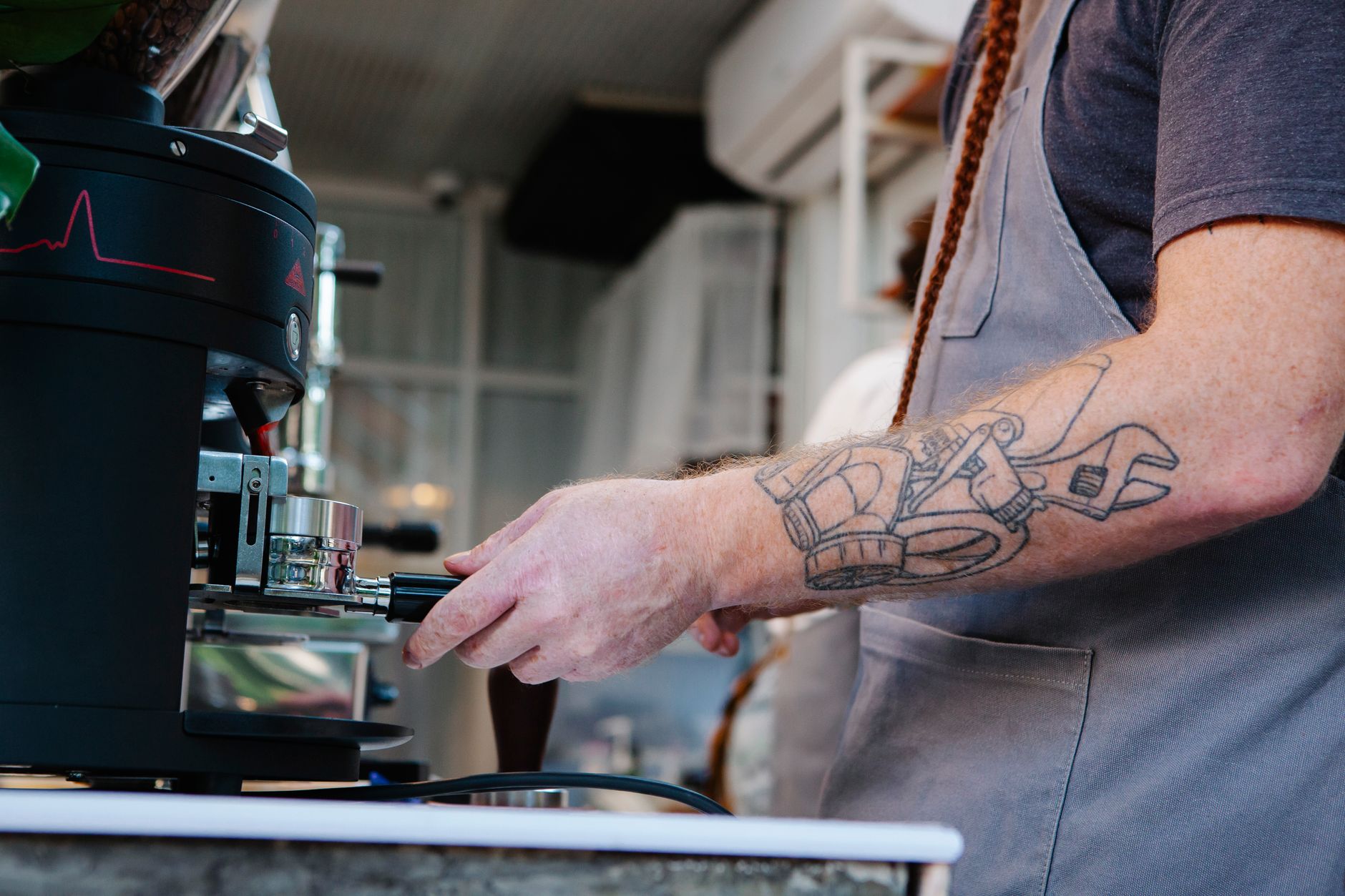
 Photo: Boryslav Shoot via Pexels
Jura is a Swiss brand that makes exactly one thing: super-automatic espresso machines. Every dollar goes into the brewing system, the grinder, and the build. Their Pulse Extraction Process (PEP) — a patented pulse-brewing technique — extracts more from each puck and produces noticeably more nuanced espresso than most competitors at the same price tier.
DeLonghi is a broader Italian appliance company. Their super-automatics sit within a larger product portfolio, and that shows in the mid-range lineup: solid machines, good build quality, capable milk systems — but the espresso shot rarely matches a Jura in a side-by-side test.
Espresso Quality
Jura pulls ahead on shot quality, consistently. The combination of finer grind adjustment, PEP extraction, and tighter temperature control means more sweetness, better crema, and a cleaner finish. DeLonghi shots are good — often great — but Jura’s floor is higher.
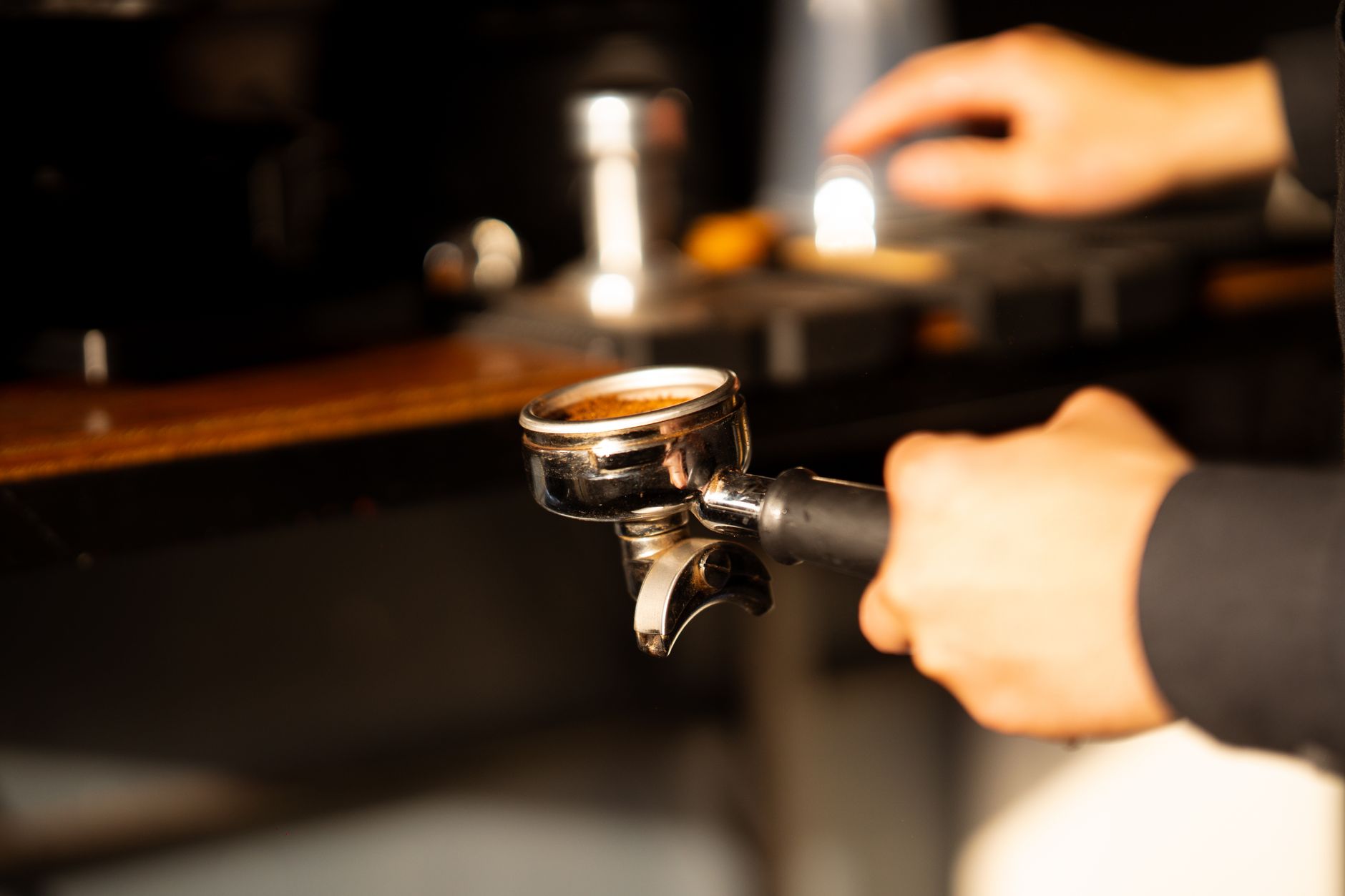
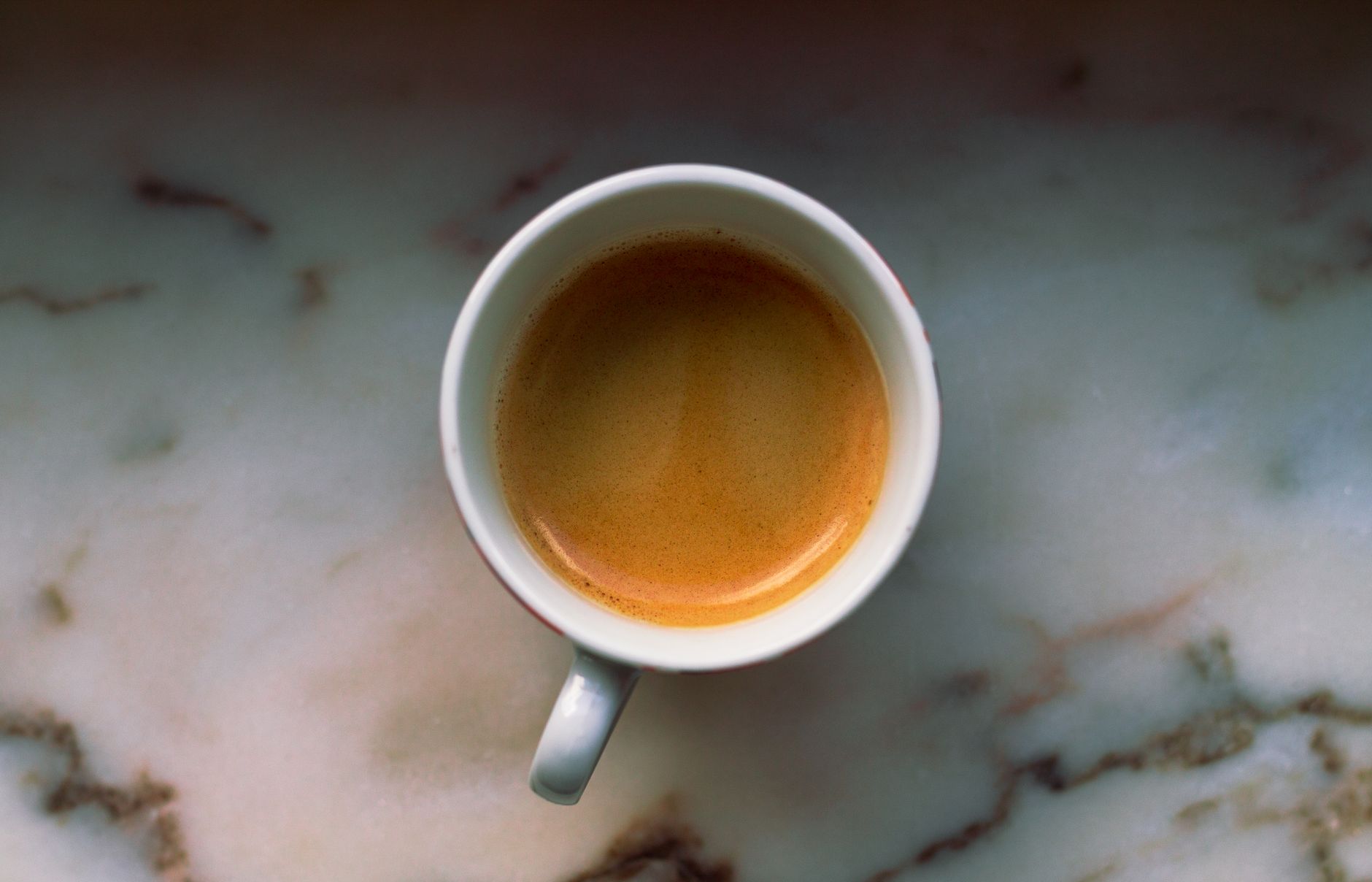 Photo: onehundredseventyfive . via Pexels
The grinders tell part of the story. Jura uses AromaG3 or AromaG3+ burr systems across most of their lineup — purpose-built, calibrated to espresso grind ranges. DeLonghi’s LatteCrema and standard conical burr grinders are competent, but the adjustment range is narrower on lower models.
Temperature stability matters too. Jura’s thermoblock systems heat fast and hold tight. The DeLonghi Magnifica Evo and Eletta lines perform well, but budget DeLonghi models show more shot-to-shot variance.
One area where DeLonghi competes seriously: the Dinamica Plus and La Specialista Arte machines offer a level of customization — including manual steam wands on some models — that Jura’s fully automatic design doesn’t allow.
Milk Drinks
DeLonghi has the edge for milk-based drinks at comparable price points. Their LatteCrema system produces consistent microfoam, and several mid-range DeLonghi models include automatic milk frothing that rivals Jura’s $1,000+ machines.
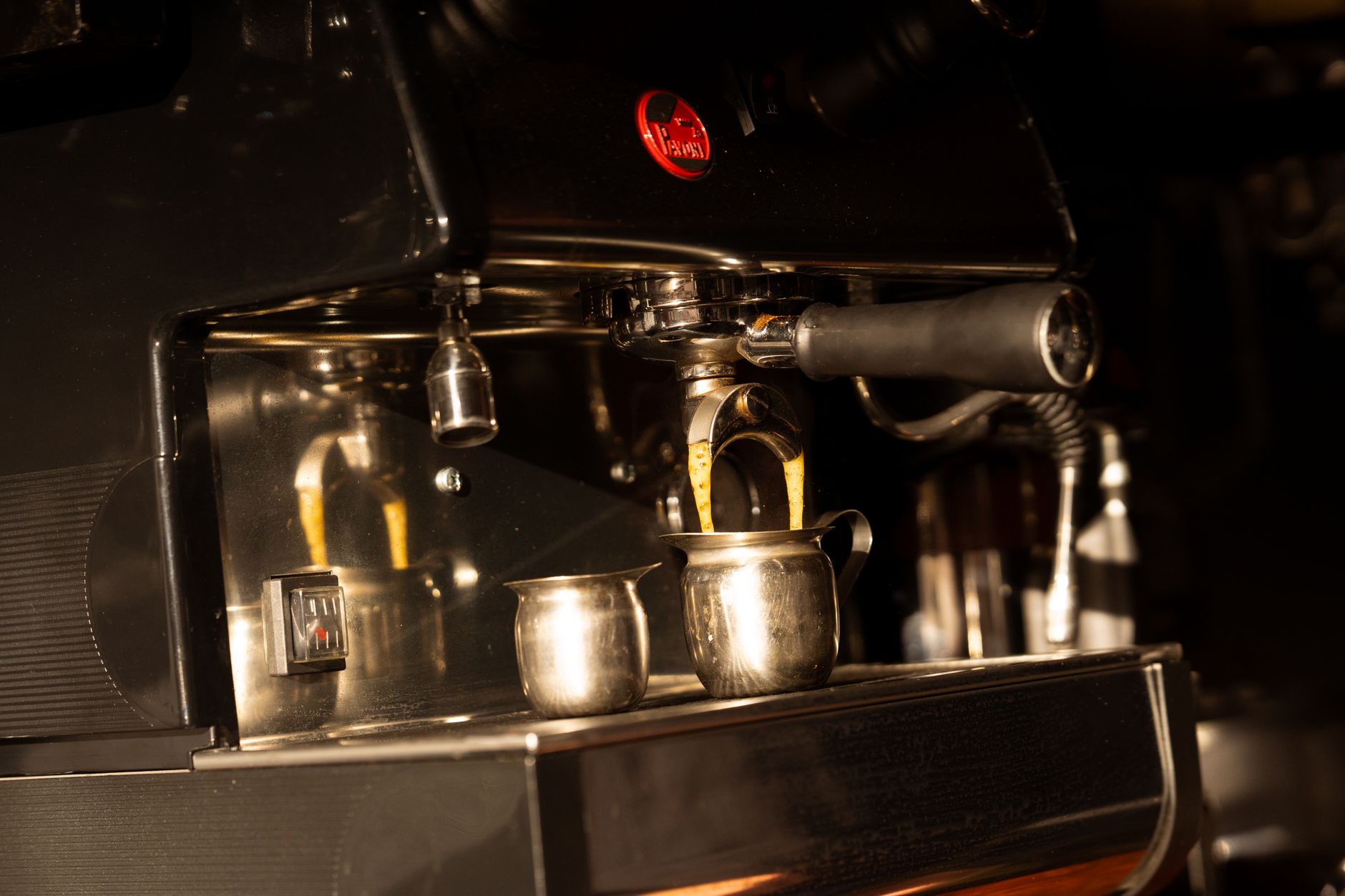
 Photo: Mikhail Nilov via Pexels
Jura’s automatic milk systems (found on the E8, Z10, and others) are excellent — but you pay a significant premium for them. The Jura E6, for example, requires a separate milk frother. A DeLonghi Dinamica at $600 includes automatic milk frothing out of the box.
If flat whites and cappuccinos are your daily drink, DeLonghi often delivers more per dollar in this category. If you’re primarily an espresso drinker who occasionally wants milk drinks, Jura’s shot quality justifies the cost.
Build Quality and Longevity
Jura machines last longer. Swiss manufacturing standards, proprietary cleaning cycles (CLARIS filtration, automated descale prompts), and high-quality internal components mean Jura machines regularly hit 7–10+ years with proper maintenance. DeLonghi machines are well-built but typically show wear sooner.
Jura’s service infrastructure is also stronger. Their dual-phase cleaning tablet system keeps the brew group clean automatically, and internal diagnostics catch problems early. DeLonghi machines use a removable brew group — a genuine advantage for cleaning — but the long-term wear on pumps and grinders tends to show earlier.
Price and Value
DeLonghi wins on value below $800. Above that, Jura’s quality justifies the premium — you’re paying for measurably better espresso and longer machine life.
| Machine | Price | Best For |
|---|---|---|
| DeLonghi Magnifica Start | ~$400 | Budget entry, basic drinks |
| DeLonghi Dinamica | ~$600 | Mid-range all-rounder |
| DeLonghi Eletta Explore | ~$900 | Cold brew + full milk auto |
| Jura E6 |
Below $600, buy DeLonghi. Above $1,000, buy Jura. The $600–$1,000 window is where it depends on your priorities.
Head-to-Head Specs
| Feature | Jura E8 | DeLonghi Eletta Explore |
|---|---|---|
| Price | ~$1,200 | ~$900 |
| Boiler | Single thermoblock | Single thermoblock |
| Grinder | AromaG3 conical | 13-step conical |
| PID | Yes | Yes |
| Pump | 15-bar vibratory | 15-bar vibratory |
| Milk System | Auto (One-Touch) | LatteCrema Hot/Cold |
| App Control | Yes (J.O.E. app) | Yes |
| Cleaning | Fully automatic | Semi-automatic |
| Cold Brew | No | Yes |
| Dimensions | 17.5 × 11 × 12.5 in | 17 × 12 × 14 in |
Equipment Review: Key Specs
Jura E8
| Spec | Detail |
|---|---|
| Boiler type | Single thermoblock |
| Portafilter | Proprietary internal |
| PID | Yes |
| Pump type | 15-bar vibratory |
| Burr size | AromaG3 conical |
DeLonghi Eletta Explore
| Spec | Detail |
|---|---|
| Boiler type | Single thermoblock |
| Portafilter | Proprietary internal |
| PID | Yes |
| Pump type | 15-bar vibratory |
| Burr size | 13-step conical |
Verdict by User Archetype
Espresso purist: Jura. The PEP extraction and AromaG3 grinder produce noticeably cleaner, more complex shots. Worth every dollar above the DeLonghi equivalent.
Milk drink drinker: DeLonghi at mid-range (Dinamica, Eletta), Jura at premium (E8, Z10). DeLonghi’s LatteCrema is excellent and comes standard at lower price points.
Convenience-first: DeLonghi for the removable brew group (easier cleaning) and better value. Jura if you want fully automated cleaning cycles and don’t want to think about maintenance.
Budget buyer (under $600): DeLonghi Dinamica. No contest.
Long-term investment: Jura. Buy it once, maintain it properly, use it for a decade.
→ See Also
- The Complete Guide to Espresso Machines (2026)
- Best Espresso Machine Under $200 (2026)
- Best Espresso Machine Under $500 (2026)
FAQ
Is Jura worth the extra money over DeLonghi? For serious espresso drinkers, yes. Jura’s PEP extraction technology and tighter build tolerances produce measurably better shots. If you drink primarily milk-based drinks and are budget-conscious, DeLonghi often delivers comparable results for less.
Which brand is easier to maintain? DeLonghi’s removable brew group makes daily cleaning more hands-on but simpler. Jura automates more of the cleaning cycle — descaling prompts, tablet cleaning, rinsing — which suits users who want minimal daily intervention.
How long do Jura machines last compared to DeLonghi? Jura machines regularly last 8–12 years with proper care. DeLonghi machines are durable but typically show component wear earlier, around 5–7 years in heavy-use scenarios. Both benefit significantly from regular cleaning and descaling.
Can DeLonghi machines make Jura-quality espresso? At the $1,000+ DeLonghi tier (Eletta, La Specialista line), quality gets close. Below that, Jura’s extraction consistency pulls ahead. The grinder and brewing algorithm differences are real and noticeable side-by-side.
Which is better for a home office or small workplace? Jura’s Z and X series are purpose-built for office use — larger bean hoppers, higher daily capacity, faster heat-up. DeLonghi’s office lineup exists but is narrower. For any shared-use environment above 10–15 drinks per day, Jura is the safer long-term choice.
Does Jura have better customer support than DeLonghi? Jura’s authorized service network is more specialized in the US and Europe, with technicians trained specifically on their machines. DeLonghi support is broader but less specialized — fine for common issues, less reliable for complex repairs.
Editorial methodology: Assessments are based on manufacturer specifications, published user reviews, and editorial research. Physical hands-on testing is noted explicitly where it occurred. Rankings reflect our editorial judgment and are not influenced by affiliate commission rates. Full editorial policy · Affiliate disclosure