Contents
Best Coffee Cities in the US: 2026 Guide
TL;DR: Seattle, Portland, and New York City consistently top lists of the best coffee cities in the US, but cities like Chicago, Los Angeles, and Nashville have closed the gap fast. The city with the best coffee scene for you depends on what you want — roaster diversity, espresso bar density, or a thriving pour-over culture.
How We Ranked the Best Coffee Cities in the US
The ranking criteria: roaster count per capita, third-wave café density, local roasting quality, barista competition presence, and how deeply coffee culture is embedded in daily life — not just tourism.
 Photo: freestocks.org via Pexels
Cities earn their spots here through output, not reputation. A city with two world-class roasters and a flat white on every corner beats a city with a famous name and a handful of decent espresso bars. We weighted local roasting heavily — importing beans and brewing them well is table stakes. Actually roasting at a high level, competing nationally, and exporting to other cities is what separates tier one from tier two.
1. Seattle, WA — The City That Built the Template
Seattle didn’t just contribute to American coffee culture — it wrote the first draft. Starbucks and Seattle’s Best put it on the map in the 1980s, but the city has since grown well past its own legacy. Cafés like Victrola, Caffe Vita, and Lighthouse Coffee operate at a level that competes with any city globally.
 Photo: Iain via Pexels
Seattle has more coffee shops per capita than any other major US city. The espresso culture here leans European — shorter drinks, higher extraction, a preference for single-origin shots. Baristas know their craft. The customer base demands it.
What distinguishes Seattle from its competitors is the infrastructure: green coffee importers, equipment suppliers, a deep pool of trained baristas, and a roasting scene that has been running at a high level for thirty years. The third-wave movement didn’t start here, but it was refined here.
What to Drink in Seattle
Skip the chain flagships — they exist for tourists. Head to Analog Coffee, Elm Coffee Roasters, or Broadcast Coffee for the real picture. Filter coffee is treated as seriously as espresso, and single-origin Ethiopia and Colombia lots rotate regularly.
 Photo: emmanuel Lozano via Pexels
2. Portland, OR — Roaster Capital of the Pacific Northwest
Portland punches well above its population size. Stumptown built the modern direct-trade model before it was a marketing term. Water Avenue, Heart Coffee, and Coava Coffee operate roasting programs that export nationally. For roaster density relative to city size, Portland has no peer.
 Photo: Mike Norris via Pexels
The café culture here skews toward the deliberate — long pour-overs, attentive service, menus that explain processing methods. That can read as precious if you just want a coffee, but it reflects genuine craft knowledge rather than performance. Baristas here tend to be career professionals, not between-jobs workers.
Portland also hosts a competitive barista training scene. Multiple US Barista Championship qualifiers have come out of Portland in any given year, which signals the depth of talent.
→ See also: Portland Coffee Guide: Top Roasters and Cafés
3. New York City, NY — Scale and Ambition
New York’s coffee scene is vast enough to contain contradictions: it has some of the best espresso bars in the country and some of the worst bodegas serving burnt drip. The top tier — Blue Bottle, Onyx Coffee Lab’s NYC outpost, Café Integral, Prodigal Coffee — operates at a level that competes with any city worldwide.
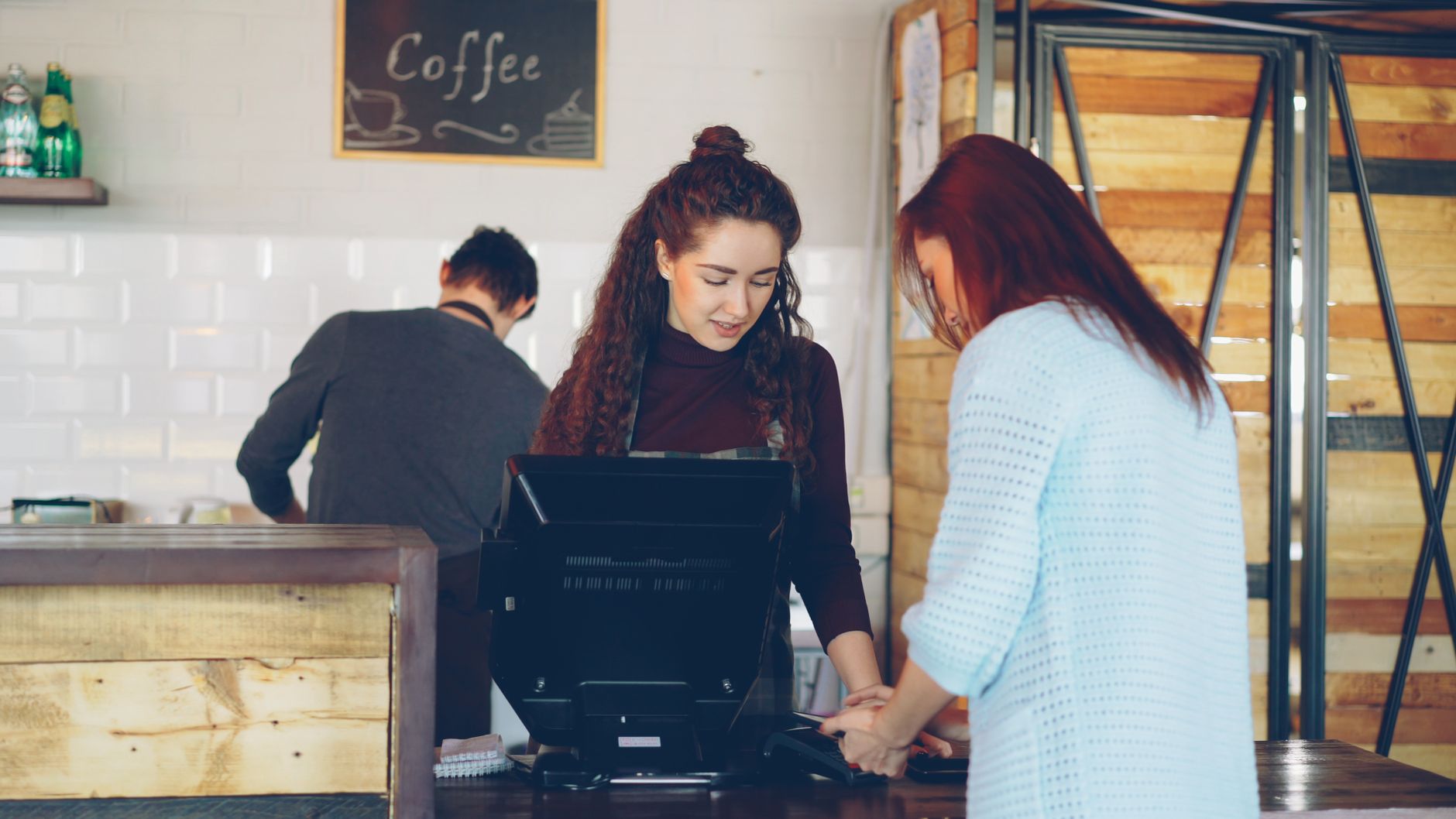 Photo: Vitaly Gariev via Pexels
The advantage New York has is foot traffic and competition. A bad café closes. A good one gets reviewed and packed. The density of financially demanding customers means quality has to be real, not just positioned. Milk-based drinks here tend to be technically excellent because the volume forces consistency.
NYC also has the most diverse coffee culture in the US. Ethiopian, Turkish, Vietnamese iced coffee, Puerto Rican colado, Yemeni qishr — every immigrant coffee tradition has representation somewhere in the five boroughs.
The Boroughs Beyond Manhattan
Brooklyn’s coffee scene deserves its own article. Williamsburg, Bushwick, and Park Slope have independent roasters and cafés that would be flagship destinations in smaller cities. Queens has the Vietnamese iced coffee shops and South Asian-influenced café culture. Don’t limit the search to Manhattan.
→ See also: New York City Specialty Coffee Guide: 20 Best Cafés
4. Los Angeles, CA — Sunshine, Cold Brew, and Serious Espresso
LA took longer to develop a cohesive coffee identity — sprawl works against café culture. But the scene that emerged is distinct and strong. Go Get Em Tiger, Intelligentsia Silver Lake, Verve Coffee, and Roseline Coffee run programs that draw serious attention nationally.
The climate shapes the menu: cold brew, Japanese iced coffee, and nitro are year-round staples rather than summer novelties. The café design sensibility here is distinctive — light-filled, plant-heavy, often architecturally significant spaces. That’s not substance, but it does attract investment and talent.
LA’s roasting scene has matured. Several local roasters now compete and win at national level, and direct trade sourcing is the norm at the top end, not a differentiator.
5. Chicago, IL — The Midwest’s Most Underrated Coffee City
Chicago gets overlooked in national coffee conversation because Seattle and Portland dominate the cultural narrative. That overlook is a mistake. Dark Matter Coffee, Intelligentsia (founded here), Metric Coffee, and Ipsento 606 have made Chicago a genuine powerhouse.
Intelligentsia Coffee was founded in Chicago in 1995 and helped define what direct-trade specialty coffee looked like before the term was common. That heritage runs through the city’s café culture. The scene here is less precious than Portland, more neighborhood-focused than NYC, and deeply rooted in a working-class city identity that doesn’t tolerate pretension for its own sake.
6. Nashville, TN — The Fastest-Climber on This List
Nashville five years ago had a decent café scene. Nashville now has Crema Coffee Roasters, Proper Cup, and a wave of independent roasters that have made it a legitimate destination. Population growth brought talent and investment; the result is a city moving fast.
The strength here is breadth — Nashville’s café culture spans traditional espresso bars, filter-focused spaces, and cafés rooted in Southern hospitality that make coffee approachable without dumbing it down. It’s not competing with Seattle yet, but it’s no longer a footnote.
Best Coffee Cities at a Glance
| City | Roasting Depth | Café Density | Barista Competition Presence | Best For |
|---|---|---|---|---|
| Seattle | ★★★★★ | ★★★★★ | ★★★★★ | Overall excellence |
| Portland | ★★★★★ | ★★★★☆ | ★★★★★ | Roaster programs |
| New York City | ★★★★☆ | ★★★★★ | ★★★★☆ | Scale and diversity |
| Los Angeles | ★★★★☆ | ★★★★☆ | ★★★☆☆ | Cold brew culture |
| Chicago | ★★★★★ | ★★★★☆ | ★★★★☆ | Heritage and depth |
| Nashville | ★★★☆☆ | ★★★★☆ | ★★★☆☆ | Fastest-growing scene |
What Makes a City a Great Coffee City?
The short answer: roasters who source seriously, cafés that train staff, and a customer base that knows the difference. One flagship café doesn’t make a coffee city. Systemic quality — across price points, neighborhoods, and drink styles — does.
Tourism and marketing create perceived coffee cities. Actual coffee cities have working roasteries, barista training programs, green coffee access, and a second tier of cafés (the neighborhood spots, not just the flagship) that hold a real standard.
The best cities on this list also export — their roasters ship nationwide, their baristas move to other cities and raise standards there, and their coffee culture influences how the rest of the country drinks.
Honorable Mentions
Denver, CO — Huckleberry Roasters and Corvus Coffee have built a serious scene that punches above its size. Altitude affects extraction, and Denver roasters have figured out the adjustments.
San Francisco, CA — The Blue Bottle origin story is here, and Sightglass, Ritual Coffee, and Four Barrel’s successor operations keep the scene active. Tech industry money means a demanding customer base.
Austin, TX — Flat Track Coffee, Greater Goods, and Merit Coffee represent a scene growing faster than the city’s general reputation suggests.
Asheville, NC — Small city, outsized coffee culture. Dynamite Roasting and Trade and Lore Coffee bring specialty coffee seriousness to a mountain town.
→ See also: The Third Wave Coffee Movement: A Complete Guide
FAQ
What is the coffee capital of the United States? Seattle holds the strongest claim based on per-capita coffee shop density, roasting history, and the depth of its barista culture. Portland and Chicago are legitimate rivals, but Seattle’s combination of volume, quality, and historical influence gives it the edge in most assessments.
Which US city has the most specialty coffee roasters? Portland, Oregon has the highest concentration of specialty roasters relative to its population size. New York City has the highest absolute number of roasters, but Portland’s output per resident is unmatched among major cities.
Is New York City good for coffee? At the top tier, yes — some of the best espresso bars in the country operate in Manhattan and Brooklyn. The scene is inconsistent across the city, but for specialty coffee specifically, NYC offers more options than almost anywhere else in the US.
What makes a city a “coffee city”? The markers that matter: active roasting programs (not just importing and brewing), trained barista culture, multiple tiers of quality across neighborhoods and price points, green coffee access, and a customer base educated enough to sustain high standards. One good café is a destination; systemic quality is a coffee city.
Is Chicago worth visiting for coffee? Yes. Chicago’s coffee scene is chronically underrated in national coverage. Intelligentsia was founded there, Dark Matter has built a genuine cult following, and the neighborhood café culture is strong across the North Side and increasingly in other areas. It belongs in the same conversation as Portland and Seattle.
What city has the best cold brew coffee? Los Angeles leads on cold brew culture — the climate makes it a year-round drink rather than a seasonal offering, which drives quality and innovation. Austin and Nashville are close behind for their approaches to cold-served coffee.
Editorial methodology: Assessments are based on manufacturer specifications, published user reviews, and editorial research. Physical hands-on testing is noted explicitly where it occurred. Rankings reflect our editorial judgment and are not influenced by affiliate commission rates. Full editorial policy · Affiliate disclosure