Contents
New York City Specialty Coffee Guide: 20 Best Cafés
Best coffee in New York City spans from meticulously sourced single-origins in Brooklyn to precision espresso bars in Manhattan. This guide covers 20 standout cafés across all five boroughs — ranked by coffee quality, not Instagram aesthetics — with notes on what to order and why each one earns its place.
 Photo: Echoe Z via Pexels
What Makes NYC Coffee Different
New York’s coffee scene is built on density and competition. With more specialty cafés per square mile than almost any city in the world, mediocre espresso doesn’t survive. The result: a relentless quality floor, a culture of experimentation, and roasters that punch well above their weight nationally.
 Photo: Efrem Efre via Pexels
NYC isn’t one coffee culture — it’s several running in parallel. Brooklyn has its own aesthetic (natural-processed Ethiopians, latte art competitions, long communal tables). The West Village does quiet precision. Midtown serves the commuter who knows better than to drink deli coffee. Understanding the neighborhoods helps you find your frequency.
The city also has an unusually strong roasting infrastructure. Roasters like Stumptown (Portland-origin but deeply NYC-rooted), Parlor Coffee, and Odd Fellow supply dozens of independent cafés, keeping independent bars competitive on green coffee access even without their own roasters.
Best Coffee in New York City: The 20 Cafés
Manhattan
The city’s most visited borough isn’t always its most adventurous, but these cafés are exceptions. Each serves coffee that would hold its own in any specialty-forward city.
 Photo: Karolina Grabowska www.kaboompics.com via Pexels
1. Bluestone Lane — Multiple Locations
Australian-influenced, light-roast-forward. The cortado here is balanced without being thin. Good for remote work; reliable across locations, which is rare.
2. Gregorys Coffee — Midtown
Don’t dismiss it for scale. Gregorys sources thoughtfully and trains rigorously. The single-origin pour-overs rotate frequently. Best choice if you’re stuck midtown and need something better than the average.
3. Joe Coffee — West Village Flagship
Joe’s West Village location is where their quality is most visible. The espresso blend is dialed in consistently; the staff knows the menu cold. Their coffee subscription is worth considering if you like what’s in the cup.
4. Stumptown Coffee Roasters — West 29th St
The Hair Bender blend remains one of the most consistently excellent espresso blends in the country. NYC location stays true to Portland-origin quality standards.
5. Prodigy Coffee — East Village
Small, focused, unpretentious. Rotating single-origins on the espresso bar — they’ll tell you what’s on if you ask, and they’ll describe it accurately.
6. Think Coffee — Multiple Locations
Ethically sourced, worker-owned supply chains. The coffee backs up the ethos: bright, clean, and well-extracted. Reliable across their Manhattan footprint.
7. Gasoline Alley Coffee — NoLita
Neighborhood gem, Australian ownership, excellent flat whites. The room is small but the coffee is large-city caliber. Reliable for espresso-based drinks without fanfare.
Brooklyn
Brooklyn’s coffee culture runs deepest here. Williamsburg and Bushwick in particular have developed a density of serious cafés that rivals any neighborhood in the country.
 Photo: 🇻🇳🇻🇳Nguyễn Tiến Thịnh 🇻🇳🇻🇳 via Pexels
8. Parlor Coffee — Williamsburg
Their roasts lean toward clarity over boldness — you taste the origin, not the barrel. The espresso is one of the most technically precise in the city. Whole-bean bags are worth taking home.
9. Toby’s Estate — Williamsburg
Australian roots, serious green coffee sourcing. The single-origins on pour-over change frequently and are sourced with actual transparency — origin reports on the menu, not just region names.
10. Devoción — Williamsburg
Colombian-owned, Colombian-sourced, farm-to-roaster model with some of the shortest supply chains in U.S. specialty coffee. The roastery café is striking — open greenhouse interior — but the coffee is the reason to make the trip. Their Colombia washed lots are some of the best you’ll drink in New York.
11. Sey Coffee — Bushwick
One of the most technically serious roasters in the country, operating out of Bushwick. Light roasts, extremely precise water ratios, staff who can discuss extraction yield without making you feel like you should have studied beforehand. If you want to understand what high-quality light roast espresso can be, Sey is the clearest example in NYC.
12. Odd Fellow Bakery & Coffee — Williamsburg
Bakery-forward but the coffee doesn’t suffer for it. Good filter options, capable espresso bar, and the pastry program is genuinely worth the extra trip.
13. Variety Coffee — Multiple Brooklyn Locations
Consistent quality across Williamsburg, Bushwick, and Greenpoint. A neighborhood workhorse with above-average sourcing and reliable extraction.
Queens, the Bronx & Staten Island
These boroughs are underrepresented in coffee media, which means lower rents and more interesting experiments happening without the pressure of a tourist audience.
14. Coffeed — Long Island City, Queens
Strong commitment to community and sourcing transparency. Good espresso, strong filter program, and more space than comparable Manhattan spots.
15. Onyx Coffee Lab Pop-Ups — Various Queens Locations
Arkansas-based roaster with occasional NYC pop-up presence. When they’re pouring, don’t miss it. Some of the best competition-level coffees available outside a World Brewers Cup.
16. The Bronx’s Independent Scene — Mott Haven
Mott Haven has seen several serious espresso bars open in the last two years. Worth checking current listings — this is the borough where new openings are happening at the fastest pace.
Lower Manhattan / Financial District / Brooklyn Bridge Area
17. Hole in the Wall — Financial District
Australian-style café, excellent flat white, sensible pricing for the neighborhood. The kind of place that attracts regulars rather than tourists. Their bar uses a Fellow Stagg EKG for batch brew — the same kettle used by home baristas who care.
18. Café Integral — Nolita
Nicaraguan coffee, farmer-direct sourcing, roasted in NYC. One of the few cafés in the city that builds its entire identity around a single origin country — and does it with enough depth to justify that choice.
Specialty Roasters Worth Visiting Directly
19. Irving Farm Coffee Roasters — Multiple NYC Locations
NYC institution with 25+ years in the city. Hudson Valley green sourcing, reliable espresso, and a pour-over program that doesn’t take shortcuts. Their subscription is one of the more accessible entry points for people moving from dark roast to specialty.
20. Birch Coffee — Multiple Manhattan Locations
Community-focused, strong on training, good espresso program. What they lack in cult status they make up for in consistency and accessibility. Good choice if you’re introducing someone to specialty coffee — not intimidating, but genuinely good.
How to Order at a Specialty Café in NYC
Don’t ask for a “regular coffee” at a specialty bar — it signals you want something they don’t make. Ask what’s on the espresso bar today, or ask for a filter option if they have one. Most NYC specialty baristas welcome the conversation.
| Order | What It Signals | Best For |
|---|---|---|
| Espresso | You want the coffee undiluted | Evaluating the bar’s baseline |
| Cortado | Espresso + small milk, balanced | Daily drinker |
| Flat white | Australian standard, 5–6oz | Most forgiving milk drink |
| Pour-over | Filter, manual, origin-forward | Evaluating single-origin quality |
| Cold brew | Batch-brewed, diluted over time | NYC summer essential |
NYC Coffee vs. Other Coffee Cities
| City | Strength | Weakness |
|---|---|---|
| New York City | Density, competition, roasting infrastructure | Real estate pressure = turnover |
| Portland | Deep roasting culture, origin sourcing | Smaller population, less competition pressure |
| Chicago | Intelligentsia-anchored, strong independents | Less diversity of styles |
| Los Angeles | Natural process specialists, café design | Uneven quality floor |
| Seattle | Birthplace of third wave, strong technique | Name-brand fatigue |
What to Buy and Bring Home
If you’re leaving the city with whole beans, these are the roasters worth the luggage space:
- Devoción — for Colombian single-origins with verifiable farm provenance
- Sey Coffee — for light-roast espresso that shows what the style can be
- Parlor Coffee — for clean, origin-forward filter roasts
- Irving Farm — for reliable, well-priced everyday espresso
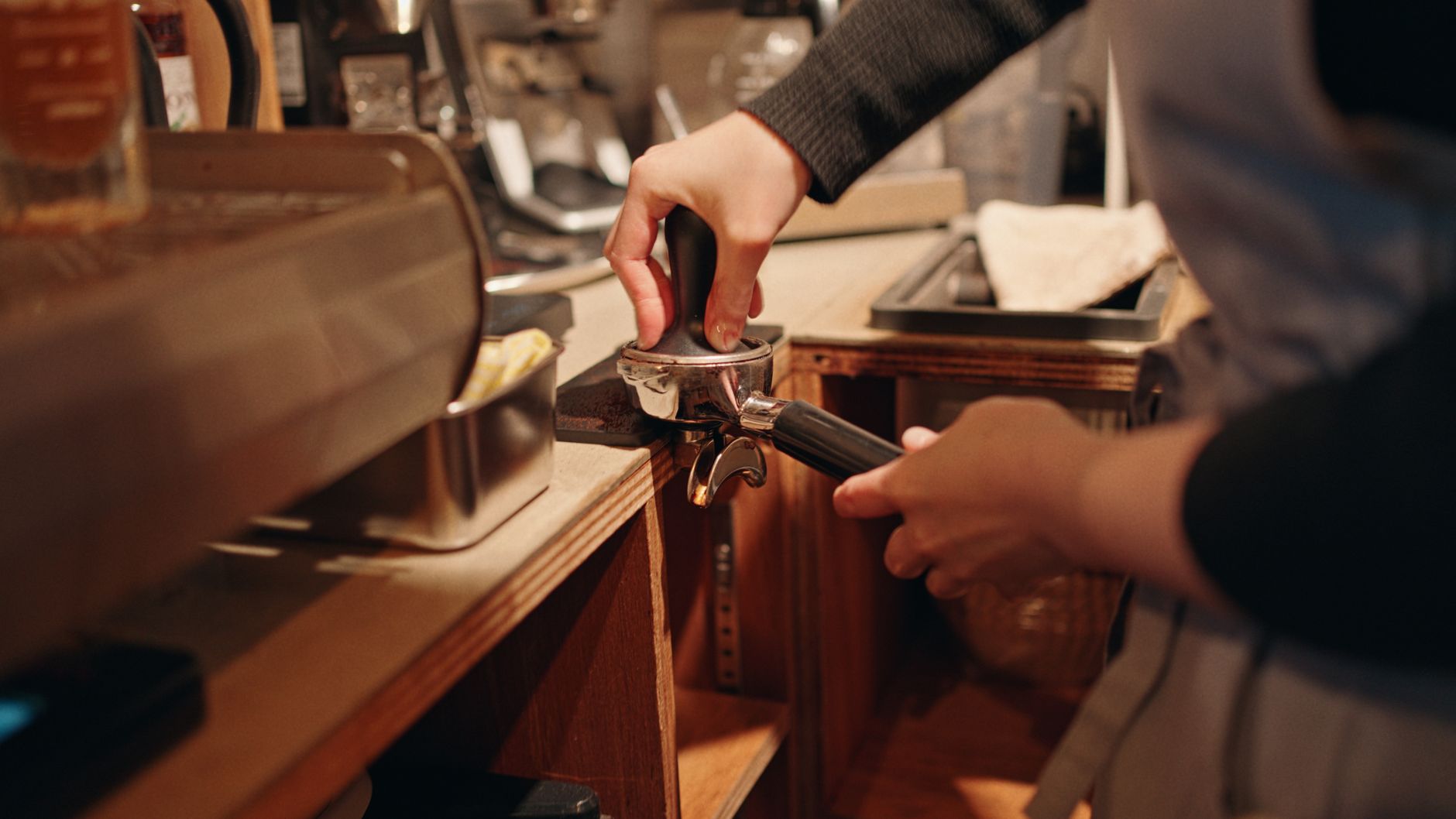 Photo: Gu Ko via Pexels
→ See also:
- The Third Wave Coffee Movement: A Complete Guide
- Best Coffee Cities in the US (2026 Guide)
- Portland Coffee Guide: Top Roasters and Cafés
FAQ
What is the best coffee neighborhood in New York City? Williamsburg, Brooklyn holds the highest concentration of serious specialty cafés, with Sey, Parlor, Toby’s Estate, and Devoción within walking distance of each other. If you’re making a dedicated coffee trip, start there. For Manhattan, the West Village and NoLita offer the most consistent quality.
Is third wave coffee popular in New York City? More than popular — it’s the default expectation at any café that markets itself as specialty. NYC adopted third-wave sourcing and extraction standards earlier than most U.S. cities, and the competitive density means quality standards remained high rather than diluting as the scene scaled.
What should I order at a specialty café in NYC if I’m new to specialty coffee? Start with a flat white or cortado — both showcase espresso quality without being overwhelming. If the café has a pour-over option with an Ethiopian or Kenyan bean listed, that’s the clearest way to taste what specialty coffee is actually about: fruit-forward brightness that tastes nothing like diner coffee.
Are NYC specialty cafés expensive? Expect $5–7 for an espresso drink, $6–9 for a pour-over. That’s higher than national averages but reflects NYC real estate costs, not inflated margins. Roaster-direct cafés (Devoción, Sey) often have the best value because they’re not paying wholesale markup on green coffee.
How often do NYC cafés rotate their coffee menus? The best ones rotate single-origins monthly or faster depending on harvest cycles. Cafés like Sey and Toby’s Estate update their pour-over offerings as new lots arrive. If you visit regularly, it’s worth asking what came in recently — you’ll often get something not yet on the board.
Editorial methodology: Assessments are based on manufacturer specifications, published user reviews, and editorial research. Physical hands-on testing is noted explicitly where it occurred. Rankings reflect our editorial judgment and are not influenced by affiliate commission rates. Full editorial policy · Affiliate disclosure